Judo News / Athlete Health

香港柔道
Want to learn judo in Hong Kong or find a Hong Kong judo club? hkjudo.com focuses on Kodokan judo, introducing judo club information in Hong Kong, judo fundamentals, judo history, Kodokan culture in Japan, children's judo, adult beginner training, competition news and the development of world judo. Whether you are a parent, student, adult beginner, or someone who wants to deepen their understanding of orthodox judo, you can start here to learn the techniques, etiquette, spirit and training value of judo.
Latest
World judo news leads the page, with official IJF and Japan judo updates alongside Hong Kong judo stories.
News Timeline














Judo News / Athlete Health
Judo News / Inclusion
Para Judo / World Championships
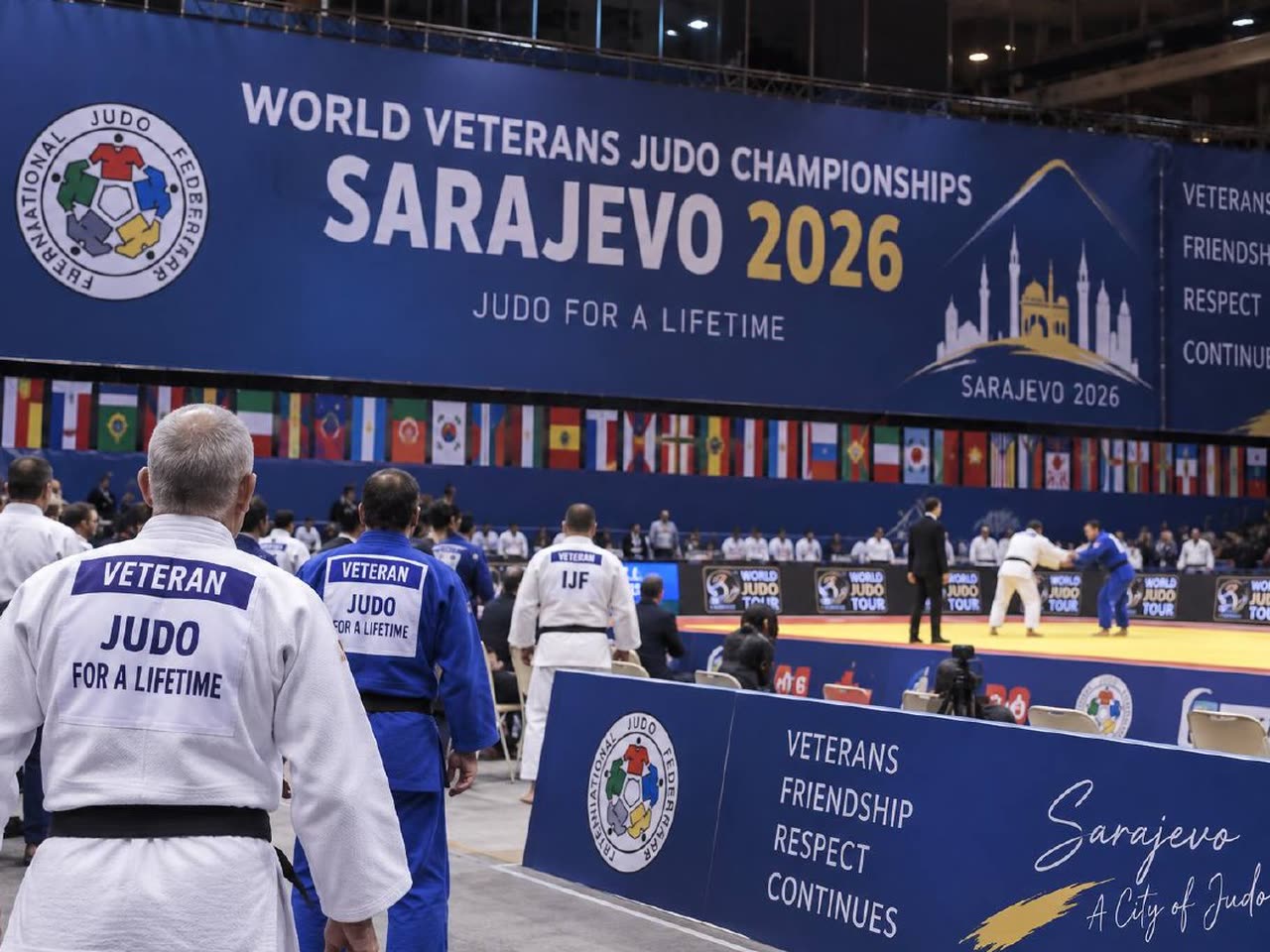
Judo News / Veterans
Judo News / Japan
Judo News / Youth Olympic Games
Judo News / Travel Safety
Japan
World Judo / South America
Judo News / Japan
Judo Classroom / World Ranking
Judo News / Youth Judo
Judo News / European Cup
Judo News / Adapted Judo
Judo News / Judo Education
Judo News / Asian Games
Judo News / World Championships
Sport Culture / Commentary
Judo News / Asian Games
Judo News / Asian Games
Judo News / Cadets & Youth
Judo News / Gender Equality
Judo Life / Travel & Tech
Judo News / Hungary
Judo News / Japan Juniors
Judo News / Korea
Judo History / People
Hong Kong Judo / Dojo News
Japan Team / Women's Judo
Judo News / Asian Games
Judo News / International Judo
Judo News / People
Junior European / Europe
Junior Worlds / Hong Kong, China
Judo News / Safety
Judo News / Japan
Judo News / Japan
Judo News / Japan
Judo News / Inclusion
Judo News / Health
Community / Nepal
Obituary / Japan
Interview / Japan
European Judo / Ne-Waza
Japan Team / Grand Slam
Judo News / International Judo
Judo Education / Children / Development
Judo History / International Judo
Judo Education / International Judo
Judo Inclusion / Adapt
Hong Kong Judo / Dojo News
Judo and Society
World Judo / Society
World Judo / Cadet Judo
Judo Education
Judo History
Judo Education
France Judo
Hong Kong Judo
Hong Kong Judo / Dojo Culture
Japan Judo
Hong Kong Judo
World Judo Tour
Training
Culture
Hong Kong Judo
Hong Kong Judo
European Judo Union
IJF World Judo Tour
Judo Education
Hong Kong Judo
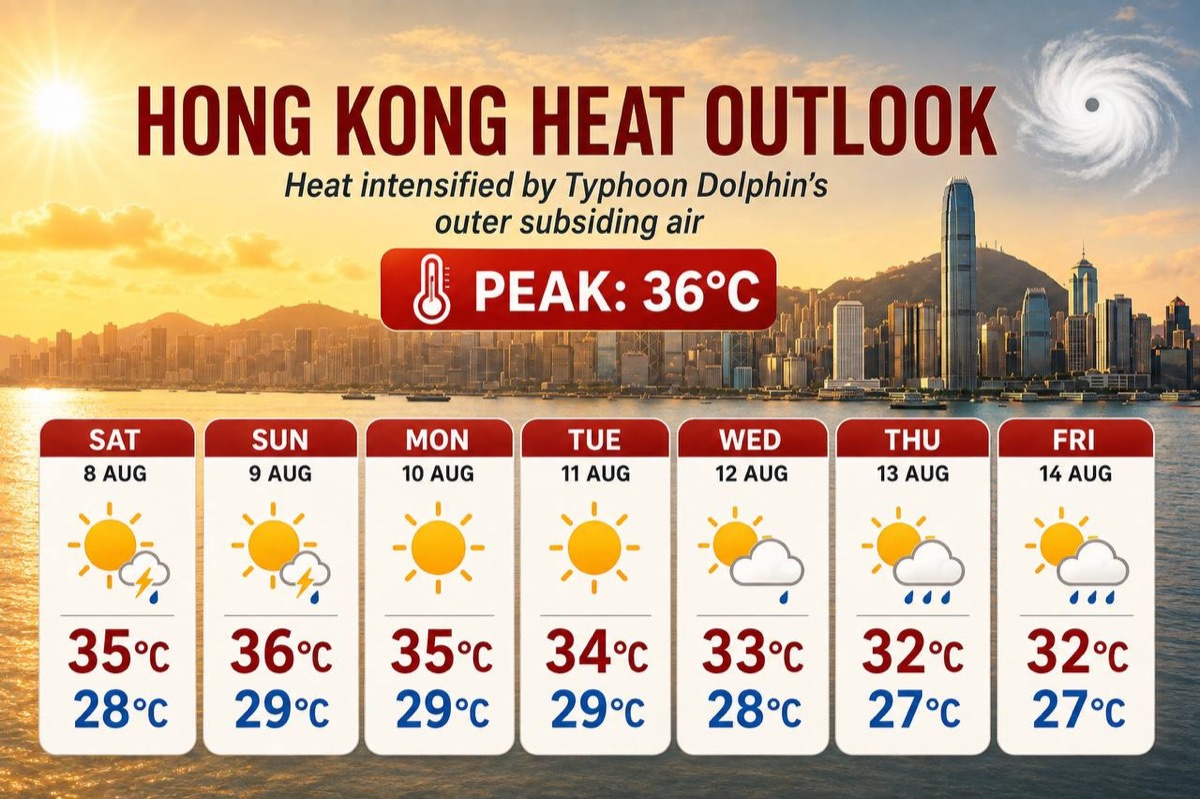
Hong Kong
Junior Judo
Student Judo
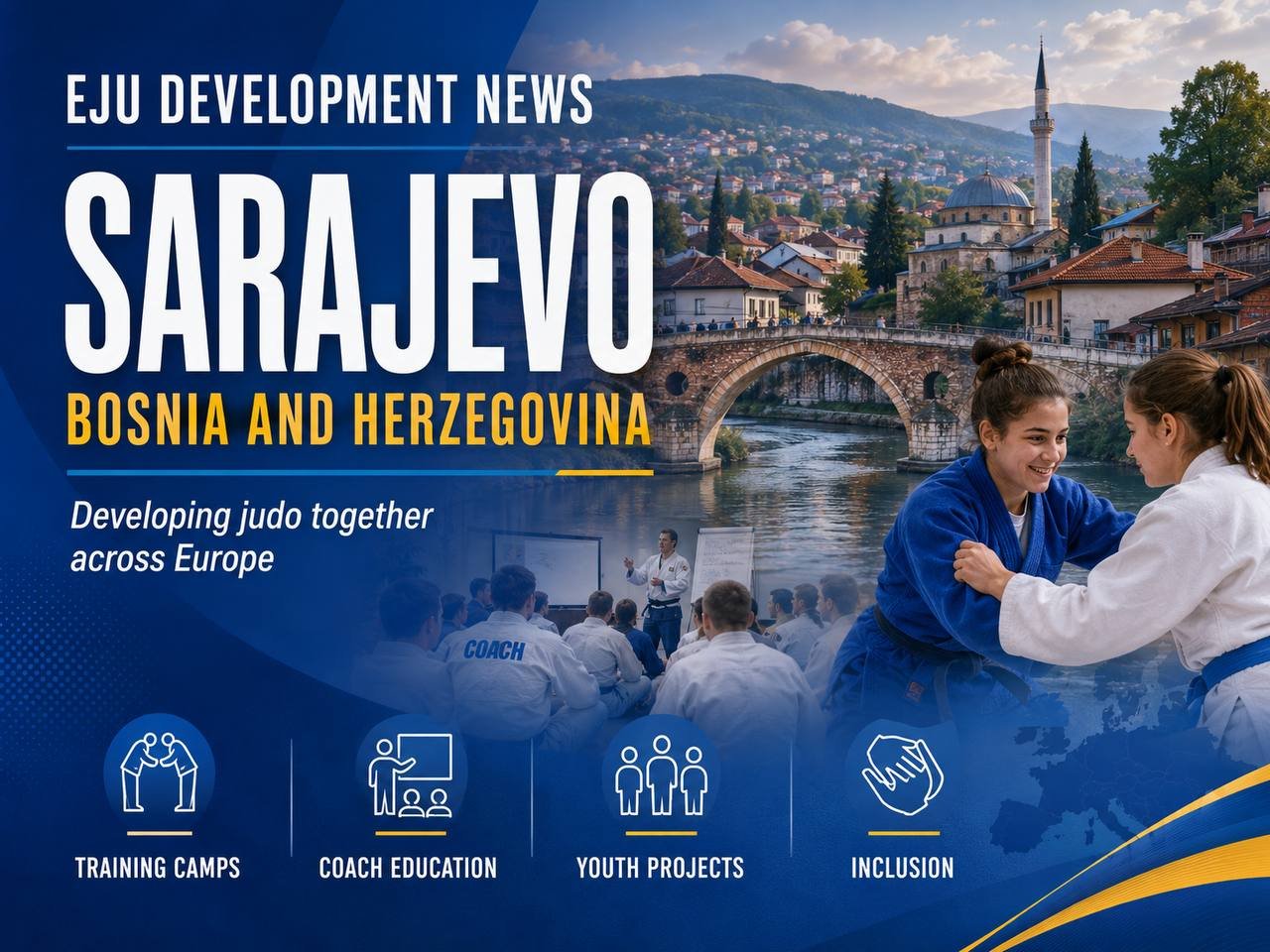
EJU

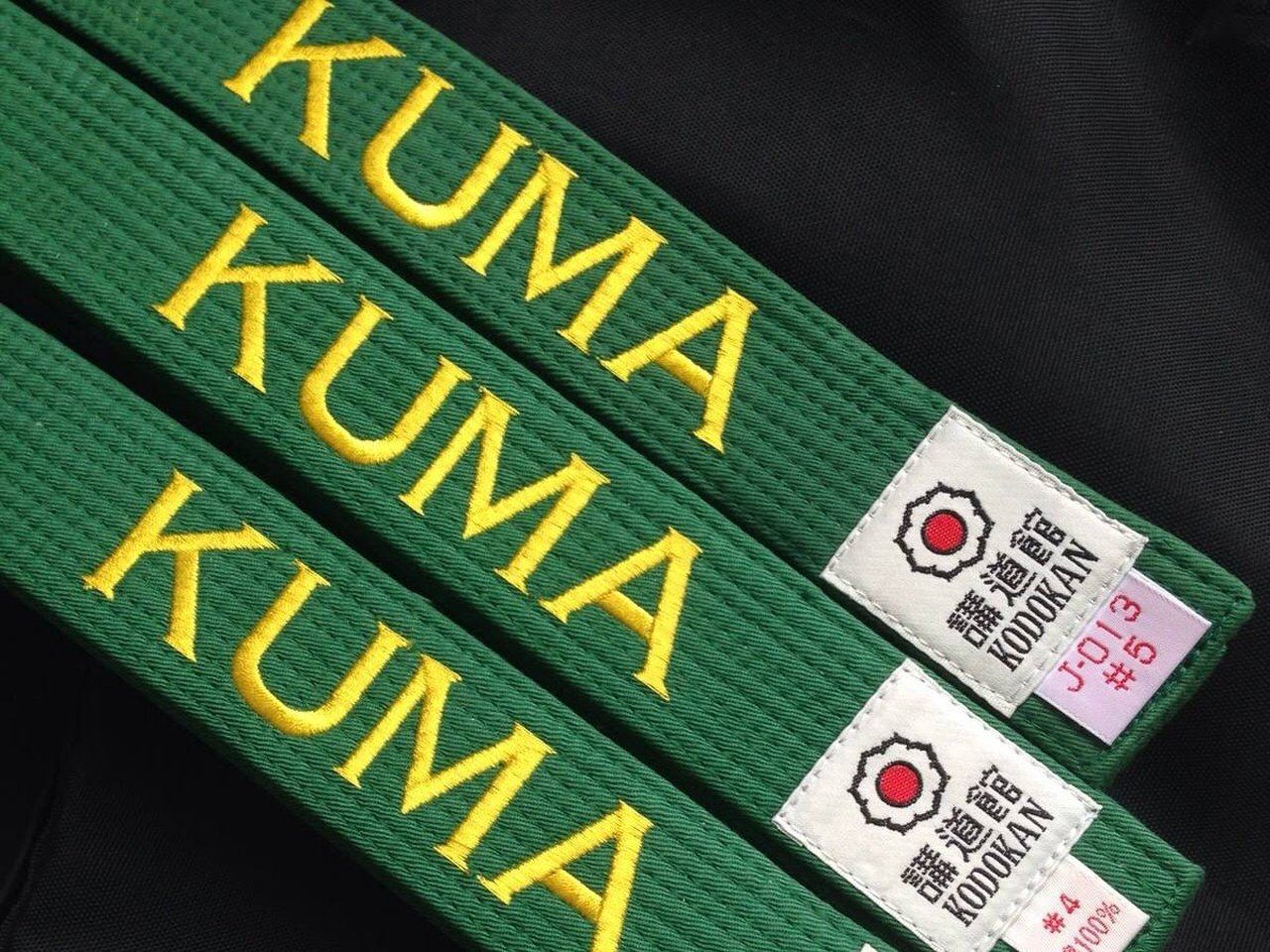
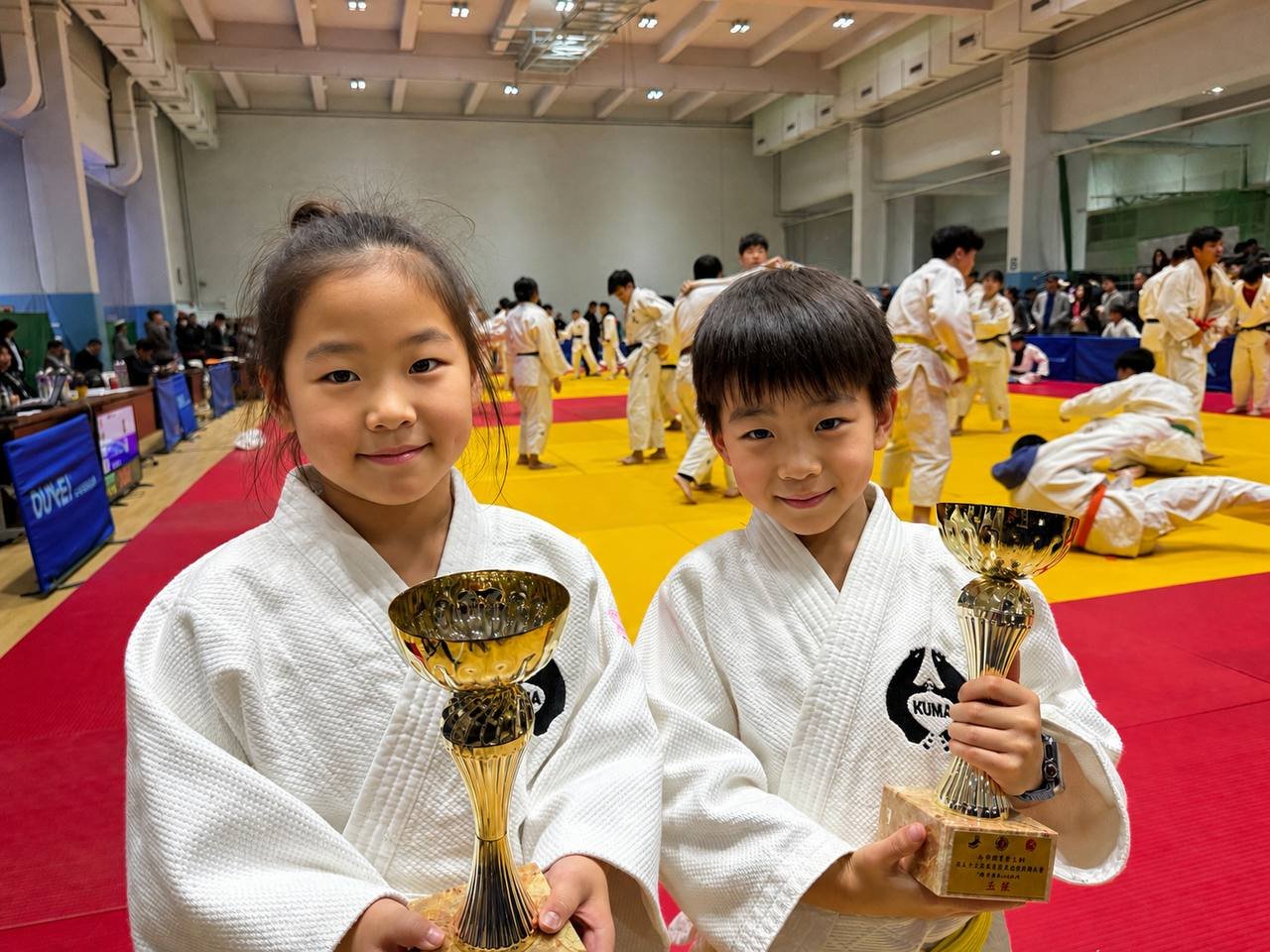
Kuma Dojo
Kuma Dojo has launched its new "Dojo Newsroom," a television-style news programme covering dojo activities and training updates.
IJF Programme
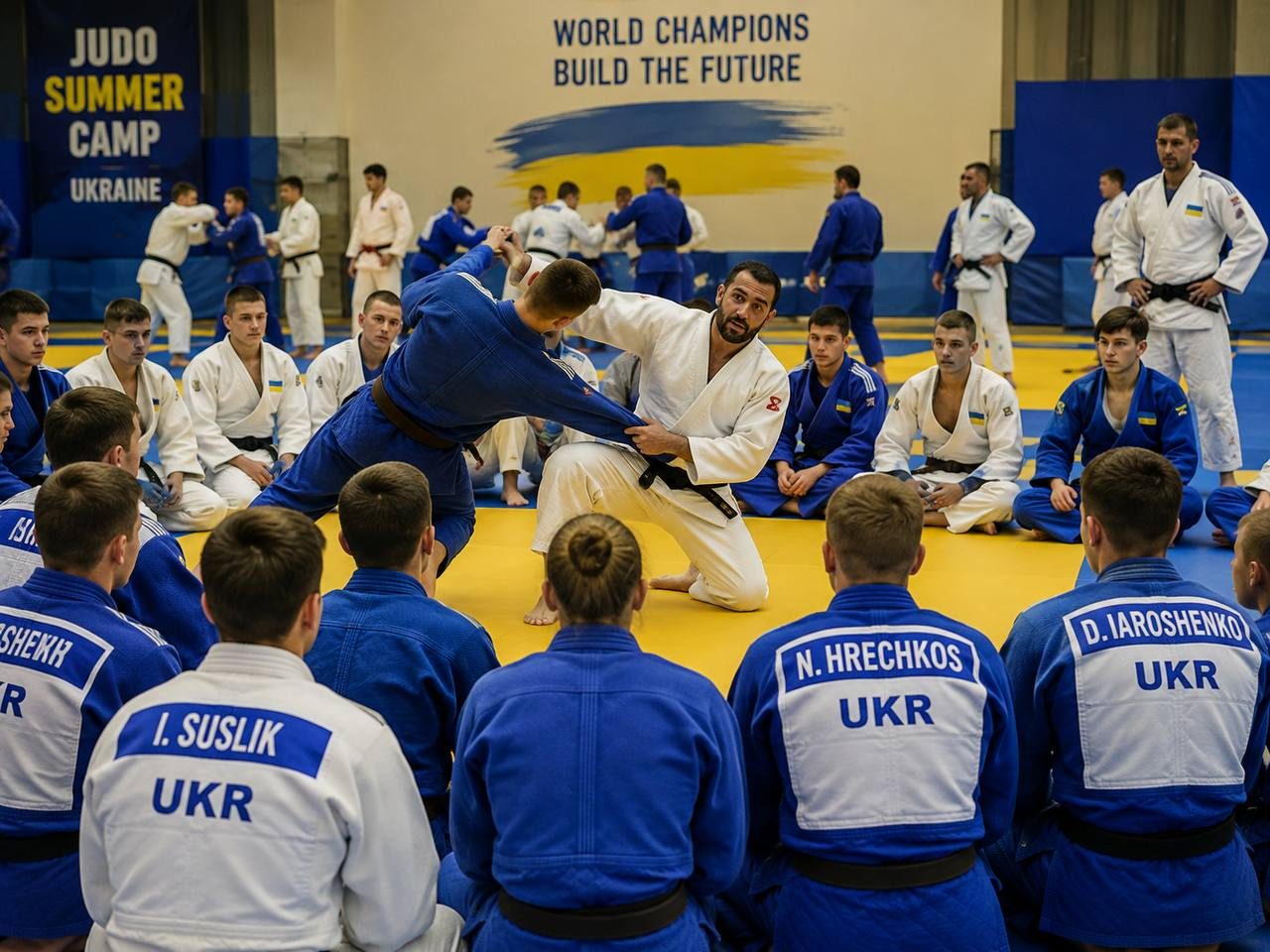
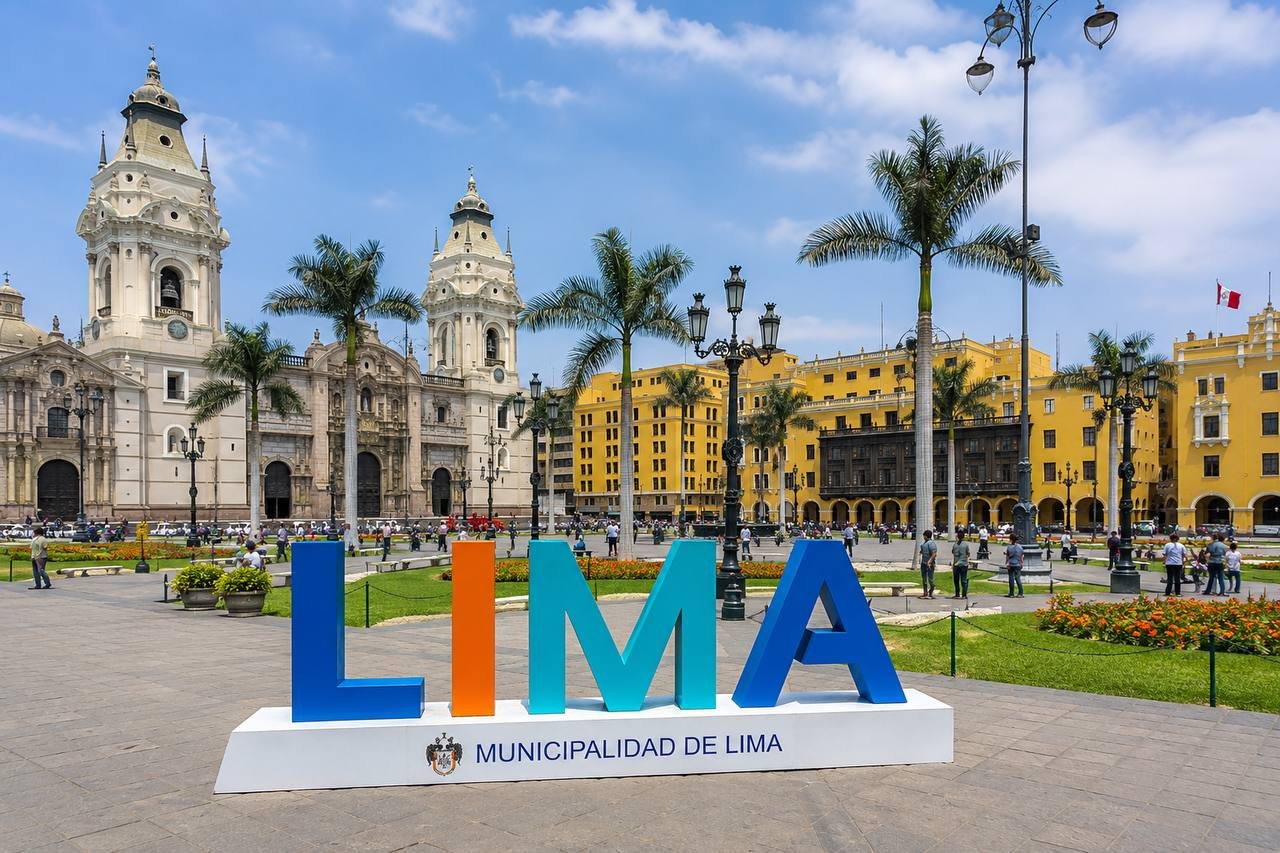
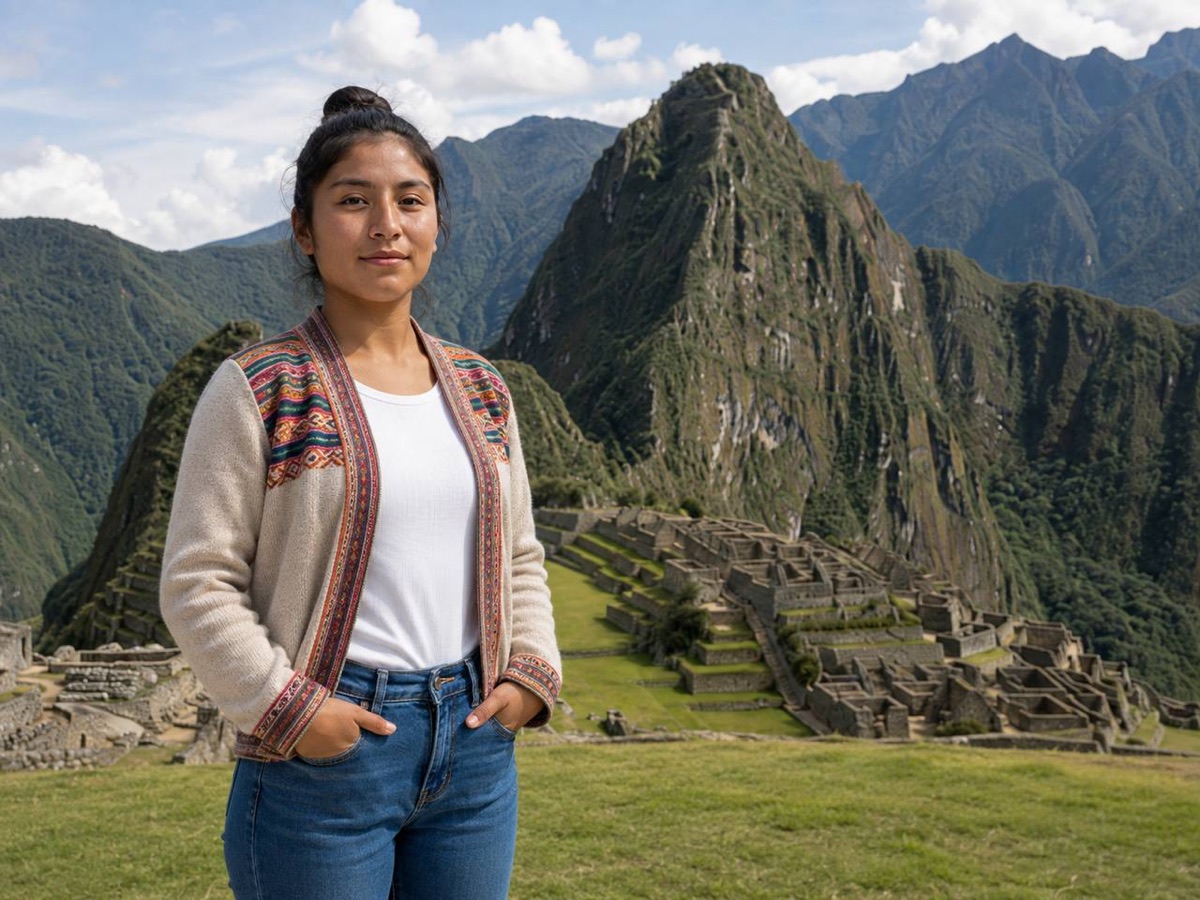
The IJF Sakura Judo programme launches in Lima, Peru, bringing together 30 women participants for three days of leadership, technical and Safe Sport training.
Source: IJF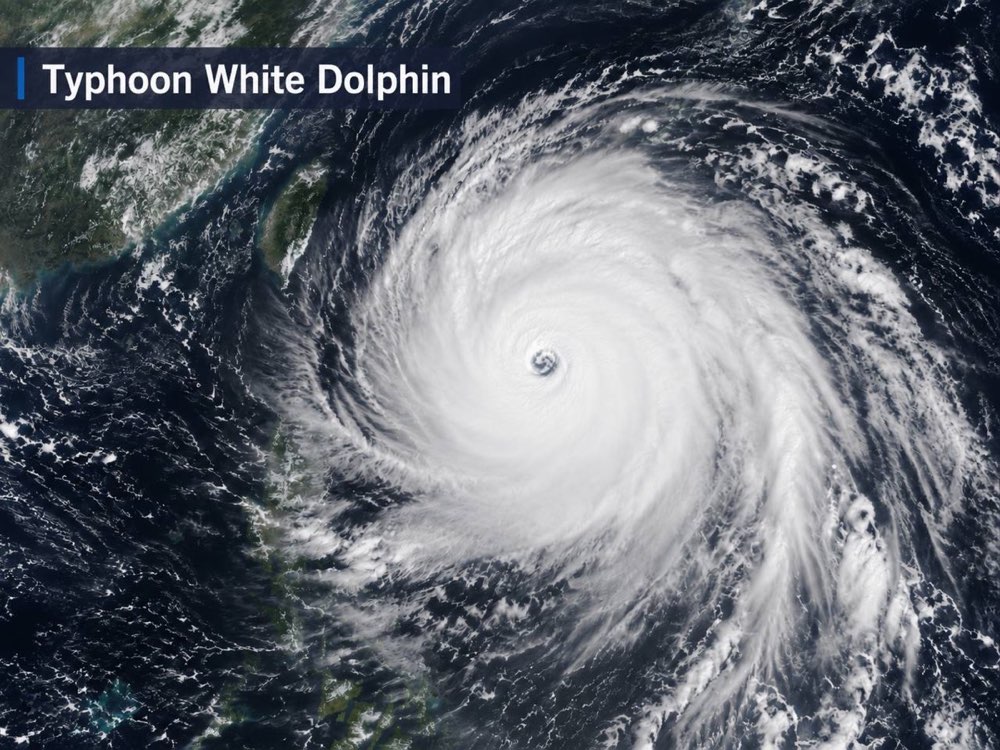
Travel Advisory
Typhoon Dolphin is affecting East and Southeast Asia. Judo practitioners planning trips to Japan or Hong Kong should monitor flight schedules.
Source: HKO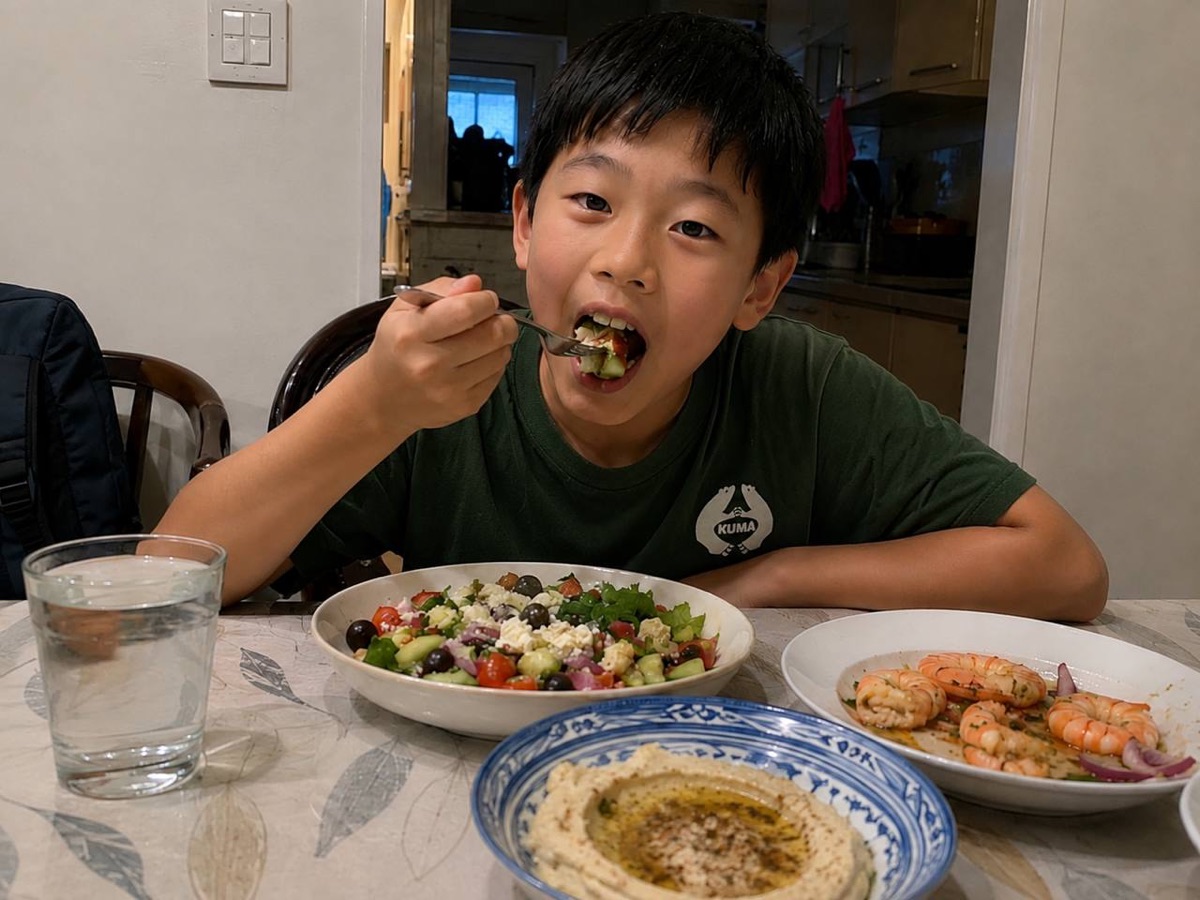
Sports Science
A new study suggests that among teenagers with attention disorders, those who follow a Mediterranean-style diet perform significantly better on cognitive tests.
Source: PsyPost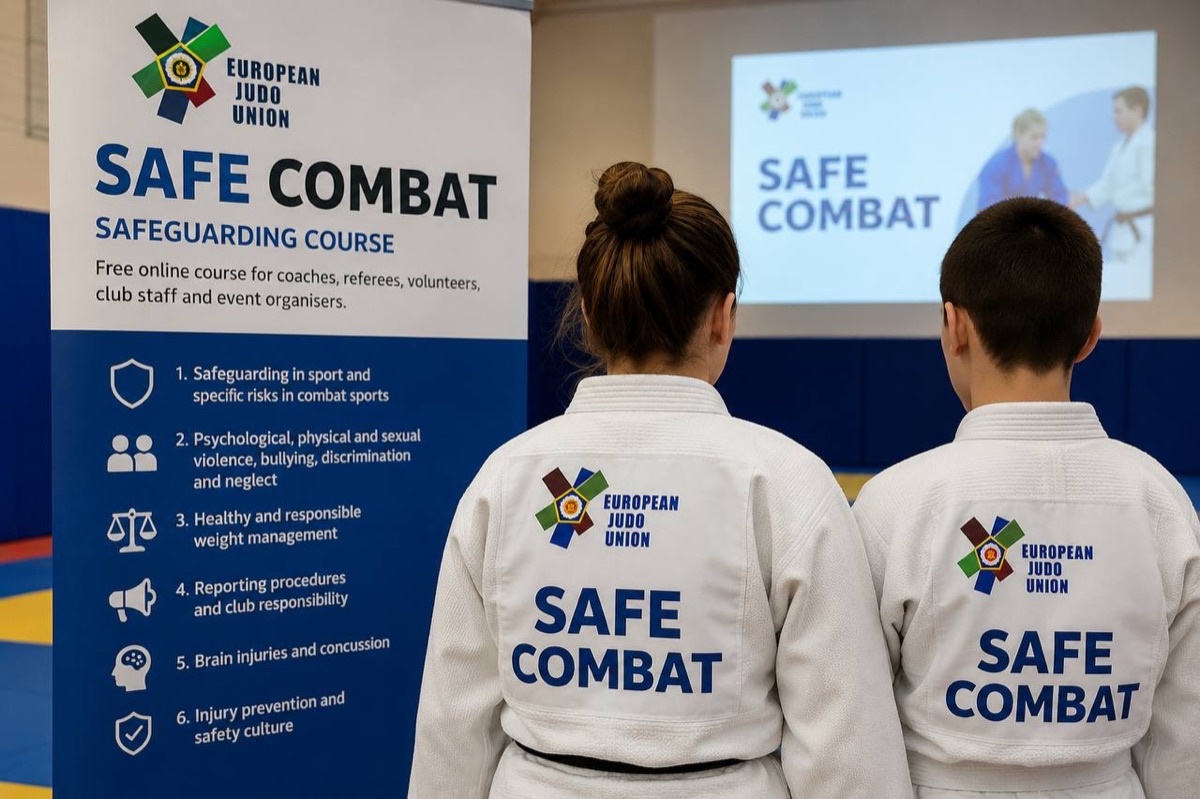
Safeguarding
The European Judo Union has launched a free SAFE COMBAT online course covering safeguarding, violence prevention, weight management, concussion and injury prevention.
Source: EJU
Youth Judo
Teddy Riner returns to Egypt's North Coast for the second Judo on the Beach programme, training 350 young judoka.
Source: IJF
Kodokan
The Kodokan publishes its August 2026 judo magazine covering spring red-and-white contest, dan-grade system, kata seminars and competition reports.
Source: Kodokan
Kata / Judo Education
Kuma Dojo's new Judo Kata Classroom offers structured learning for Kodokan kata, with demonstrations, step-by-step breakdowns and training guidance.
Source: Kuma Dojo Judo Kata Classroom
World Judo
Canada and England each won three gold medals across the first ten judo categories at Glasgow 2026, with India taking two and Malaysia and Mauritius winning one each.
Source: International Judo Federation (IJF)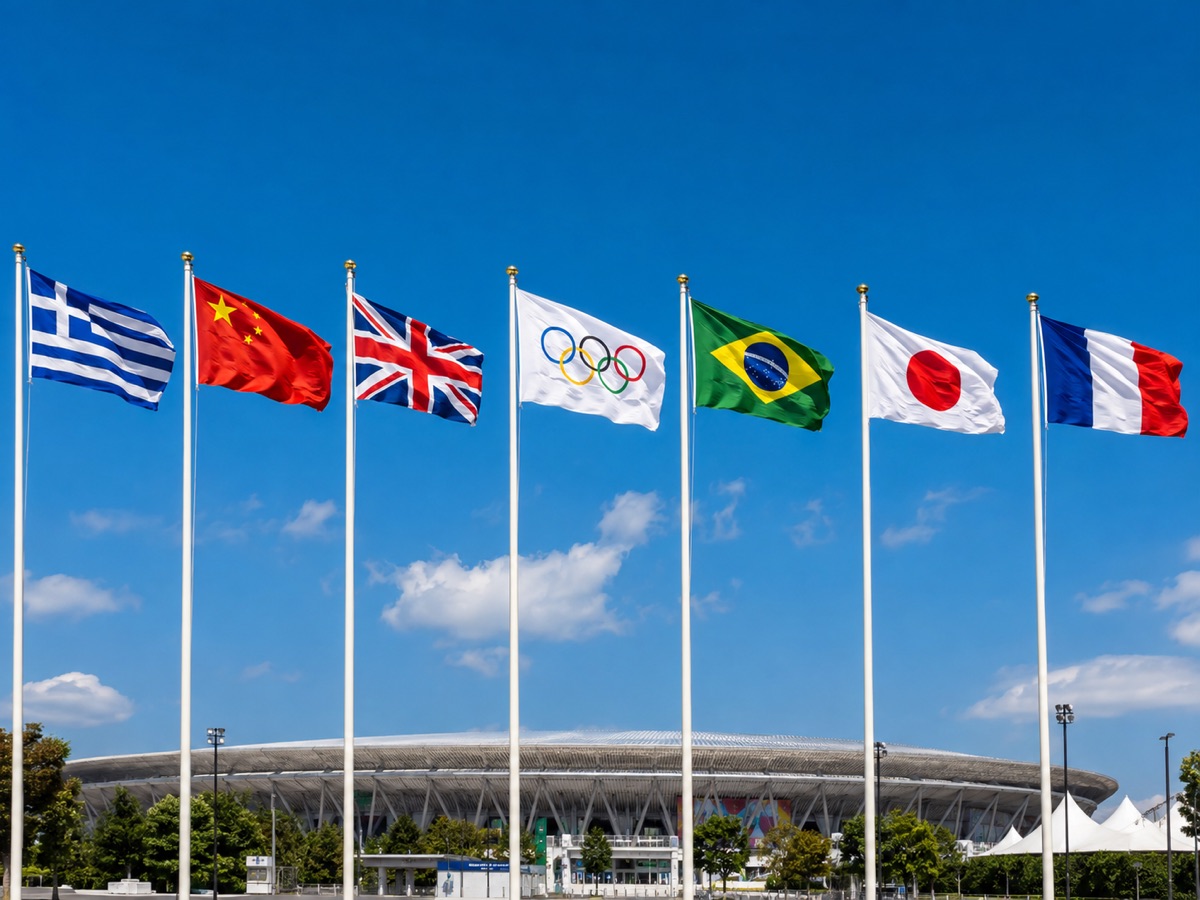
Judo Profiles
Telma Monteiro reflects on six Olympic cycles, visualisation, psychological support, rule changes, social media pressure and accepting the end of her competitive career.
Source: International Judo Federation (IJF)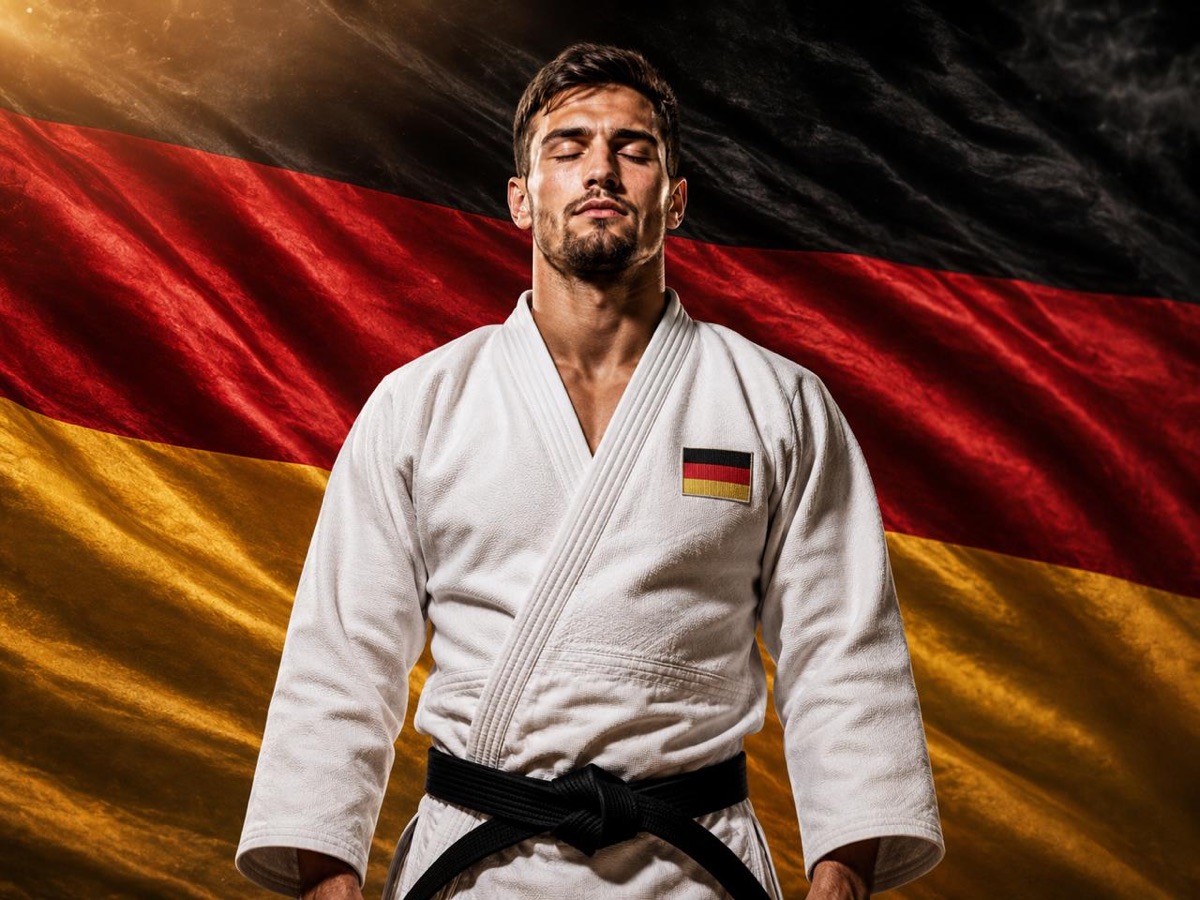
Para Judo
The official IBSA event window for the 2026 Judo European Championship runs from 9 to 16 August in Heidelberg, Germany, featuring J1 and J2 competition classes.
Source: International Blind Sports Federation (IBSA)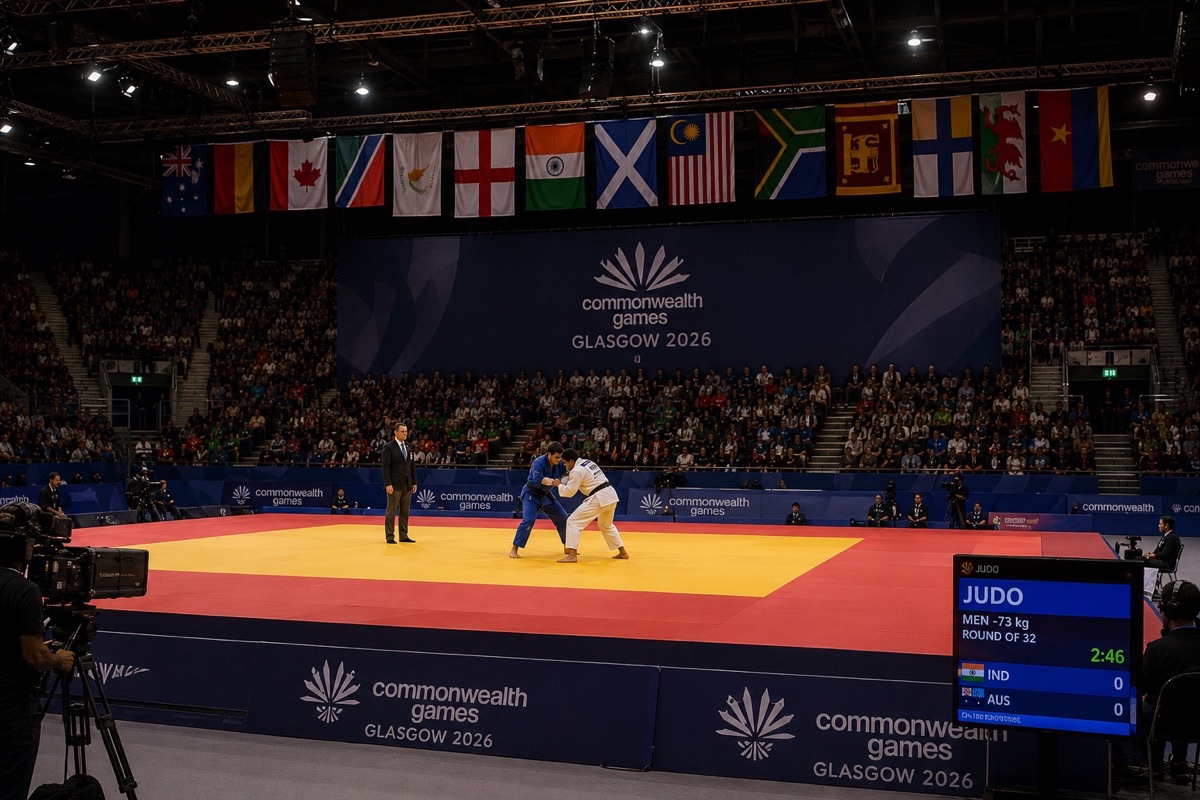
World Judo
Judo at the Glasgow 2026 Commonwealth Games begins on 31 July at the SEC, with 174 athletes from 41 nations competing for fourteen gold medals across three days.
Source: International Judo Federation (IJF)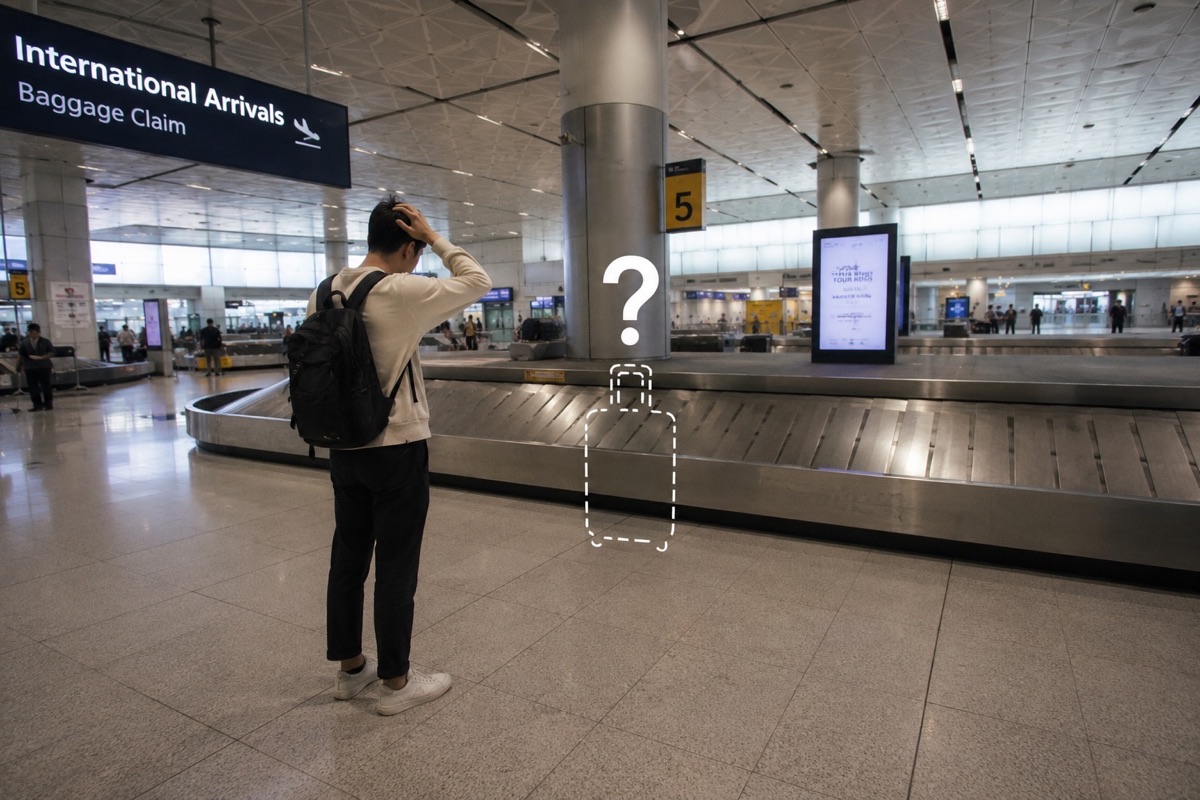
World Judo
Members of the Indian judo team arrived in Glasgow for the 2026 Commonwealth Games to find their checked luggage, including competition judogis and training gear, had been lost by the airline.
Source: NDTV Sports / Sportstar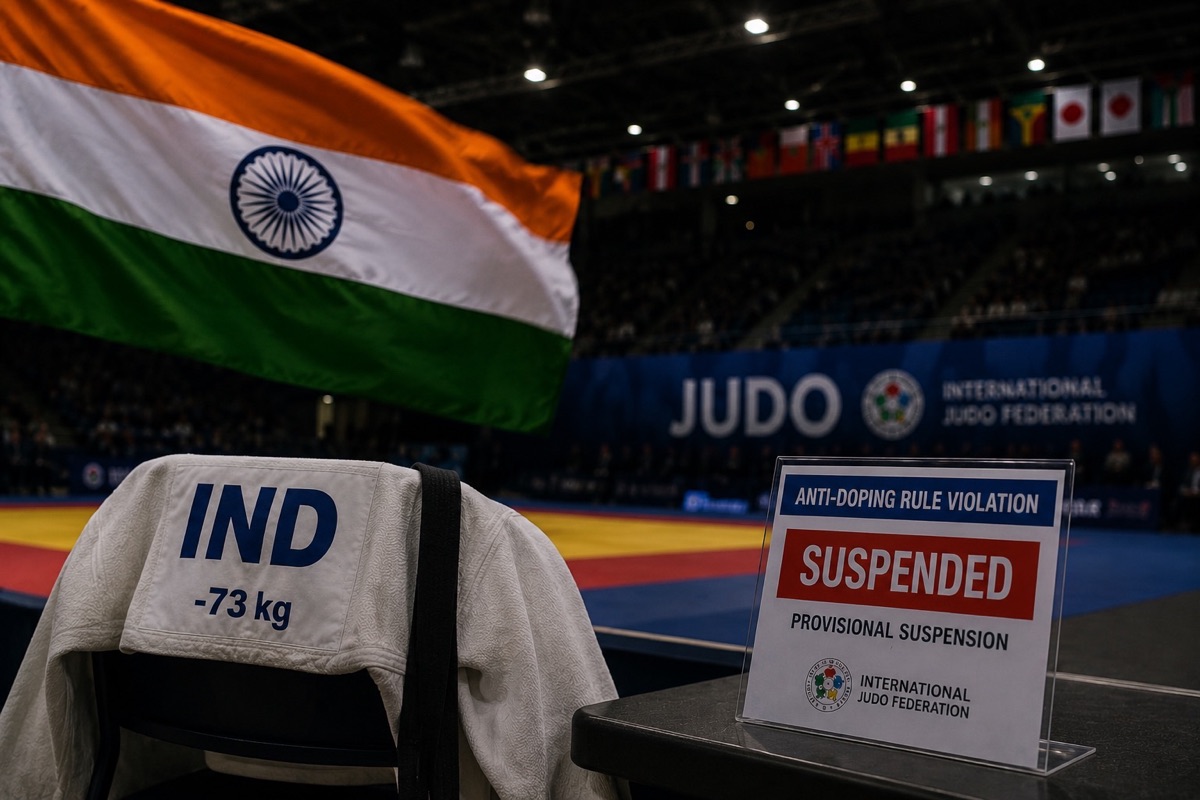
World Judo
Indian judoka Arun Kumar has been withdrawn from the 2026 Glasgow Commonwealth Games after an out-of-competition doping test returned an adverse analytical finding for an anabolic steroid.
Source: Times of India / India Today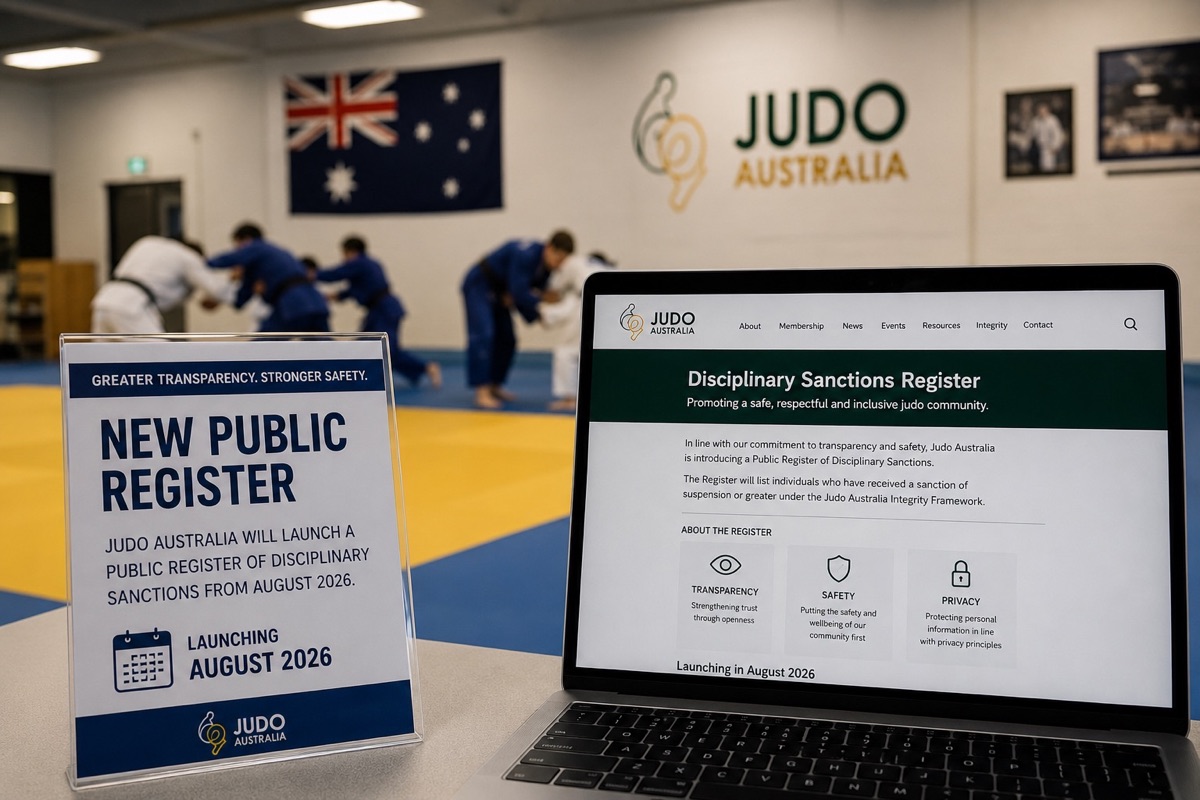
World Judo
Judo Australia will launch a public sanctions register on 5 August 2026, allowing members, clubs and event organisers to verify current disciplinary sanctions affecting eligibility.
Source: Judo AustraliaHong Kong, China Judo / Youth Judo
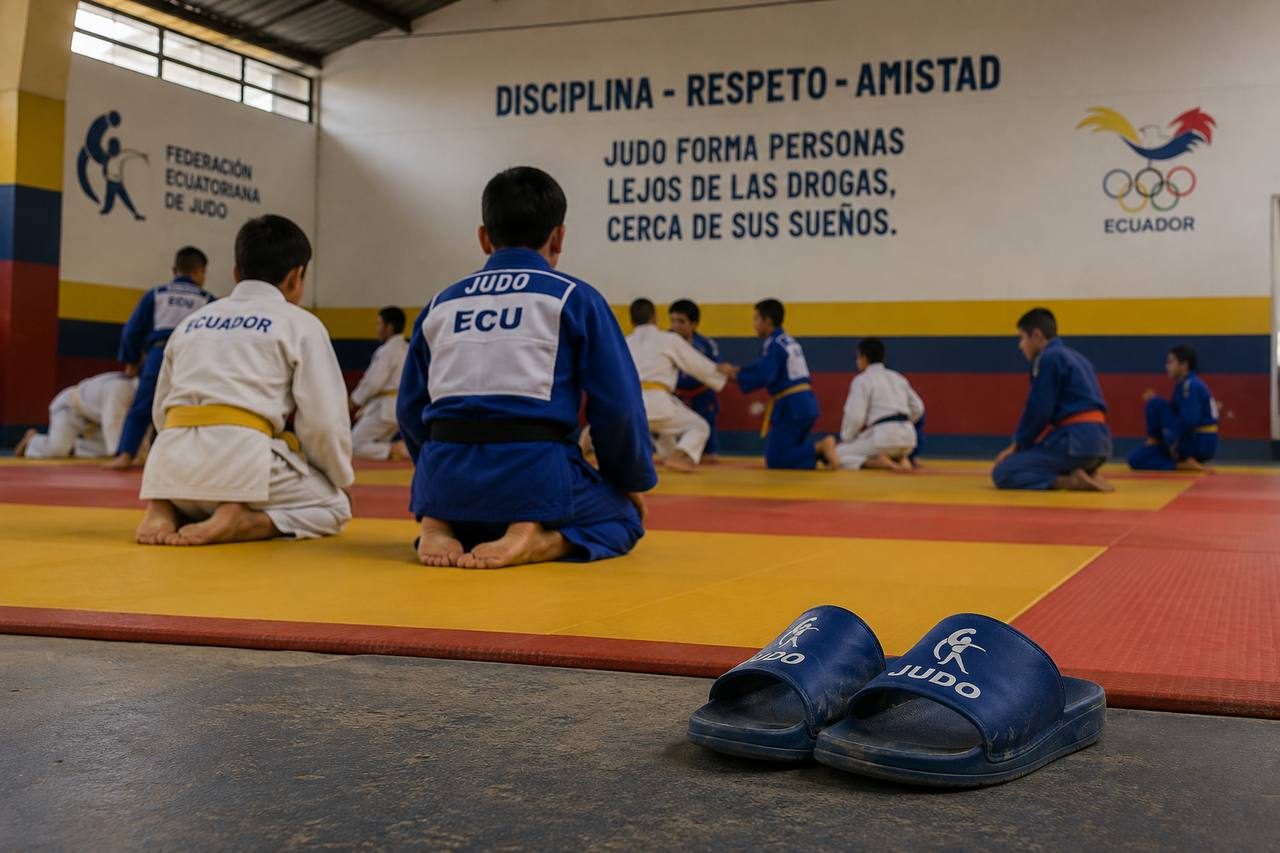
LIN Hau will compete at under-66 kg and LIN Wing Hin at under-73 kg for Hong Kong, China at the World Cadet Championships in Guayaquil.
Source: International Judo Federation athlete profiles and cadet ranking list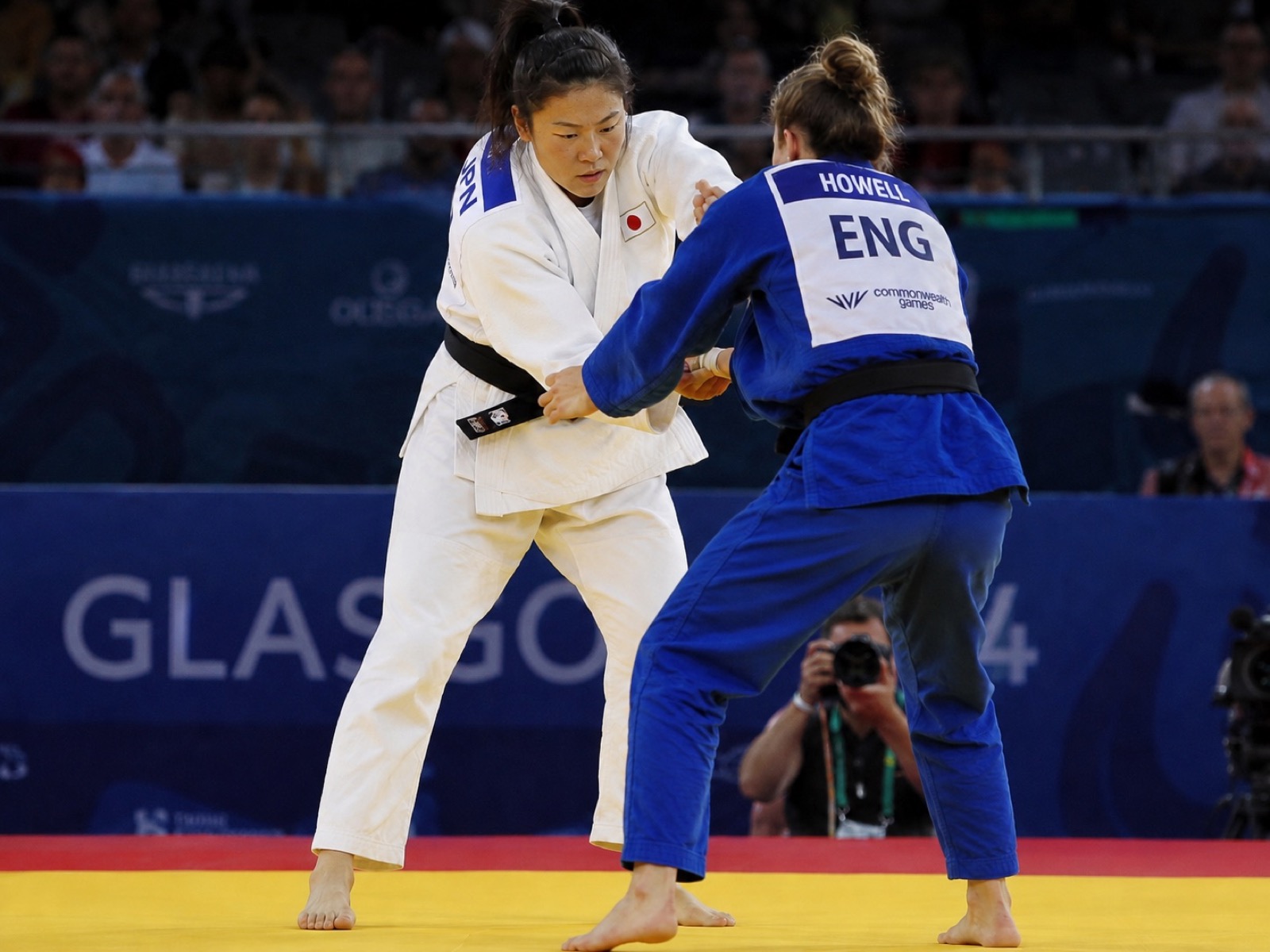
World Judo
Glasgow 2026 judo begins on Friday, with 174 athletes from 41 countries and territories currently listed across fourteen categories.
Source: International Judo Federation and Glasgow 2026 official information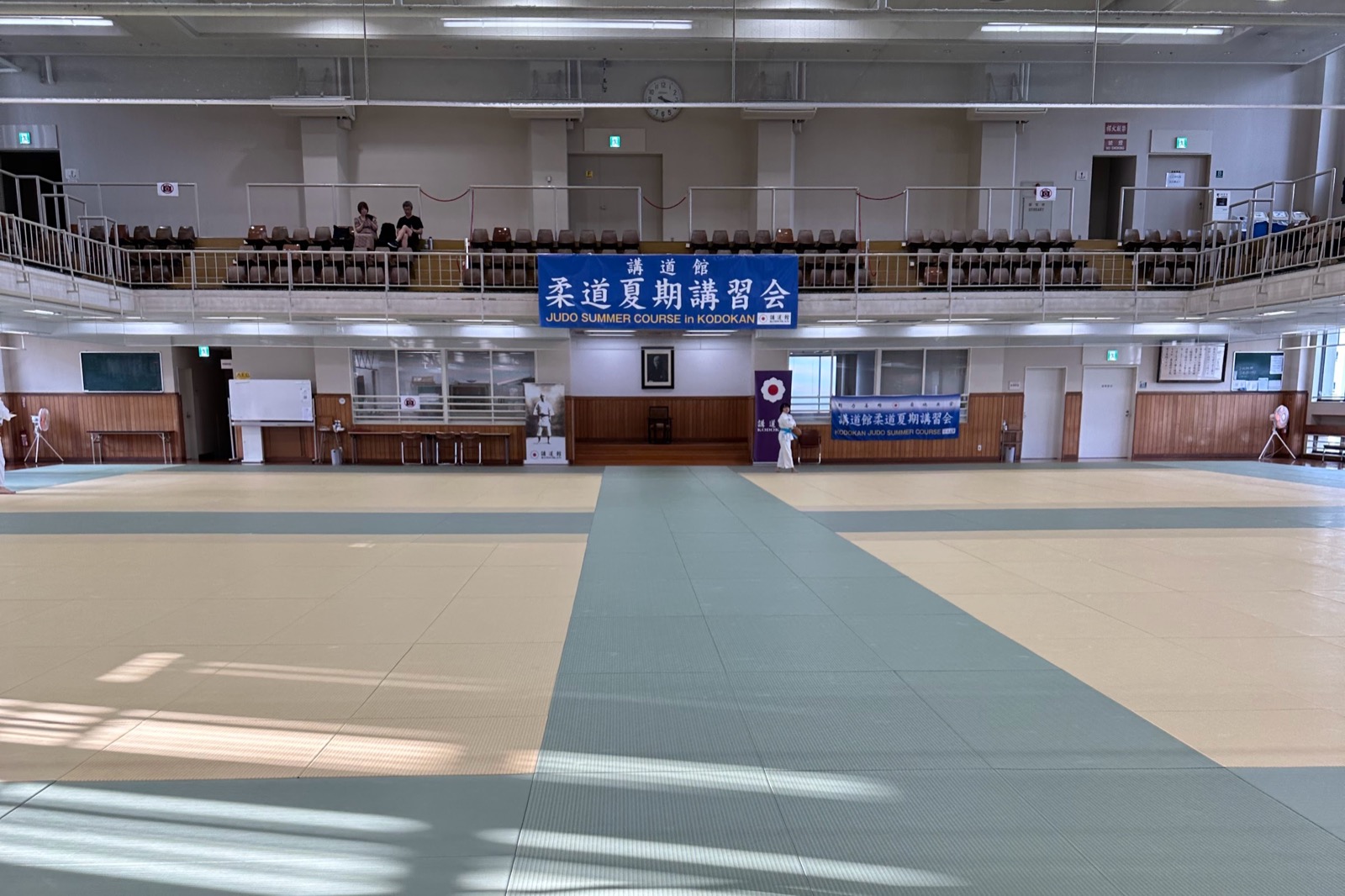
Kodokan / Judo Culture
Kodokan's ten-day Shochu-geiko brings daily early-morning practice to Tokyo from 27 July to 5 August.
Source: Kodokan Judo Institute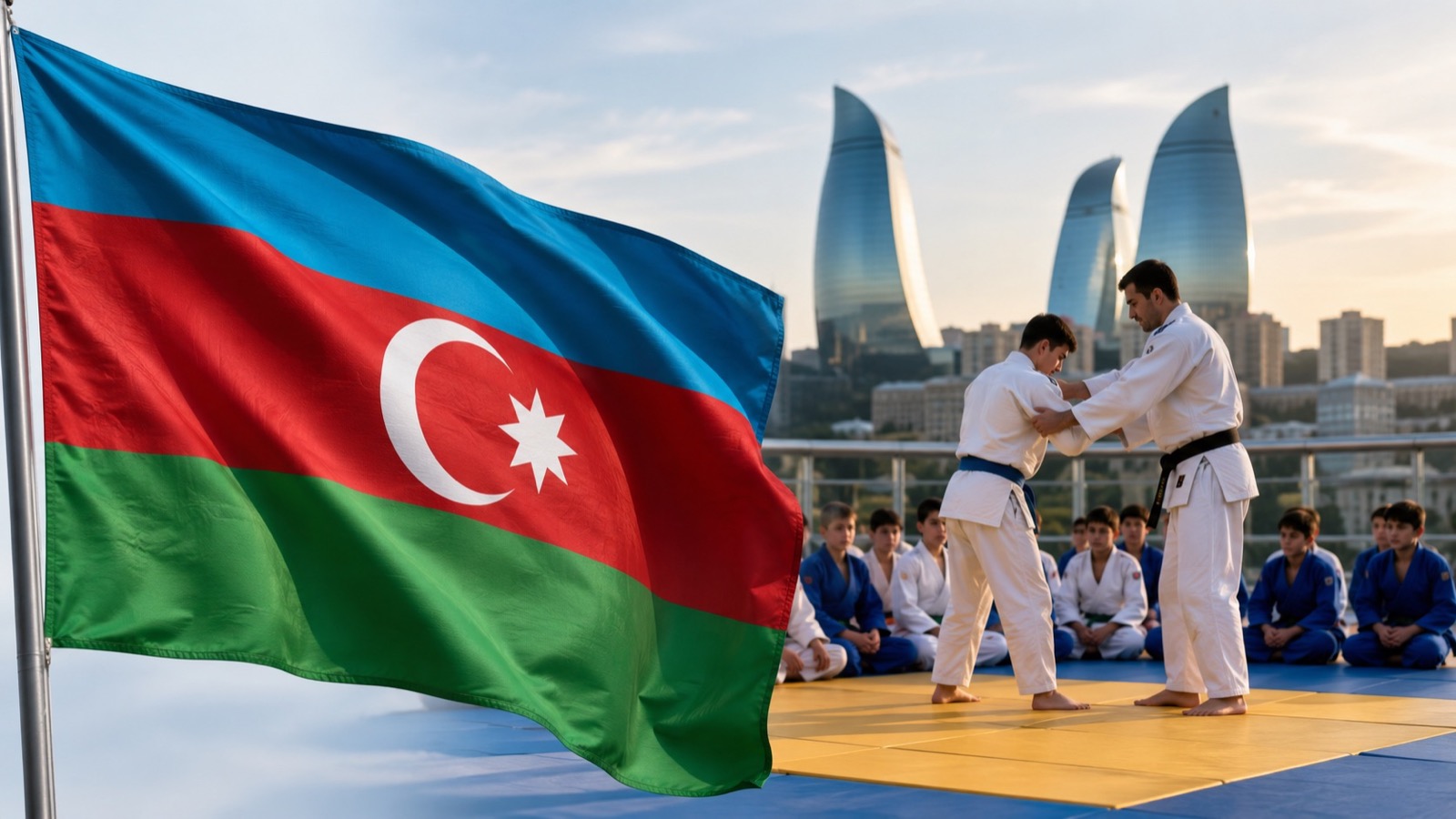
Japan Judo / Youth Judo / Coaching Education
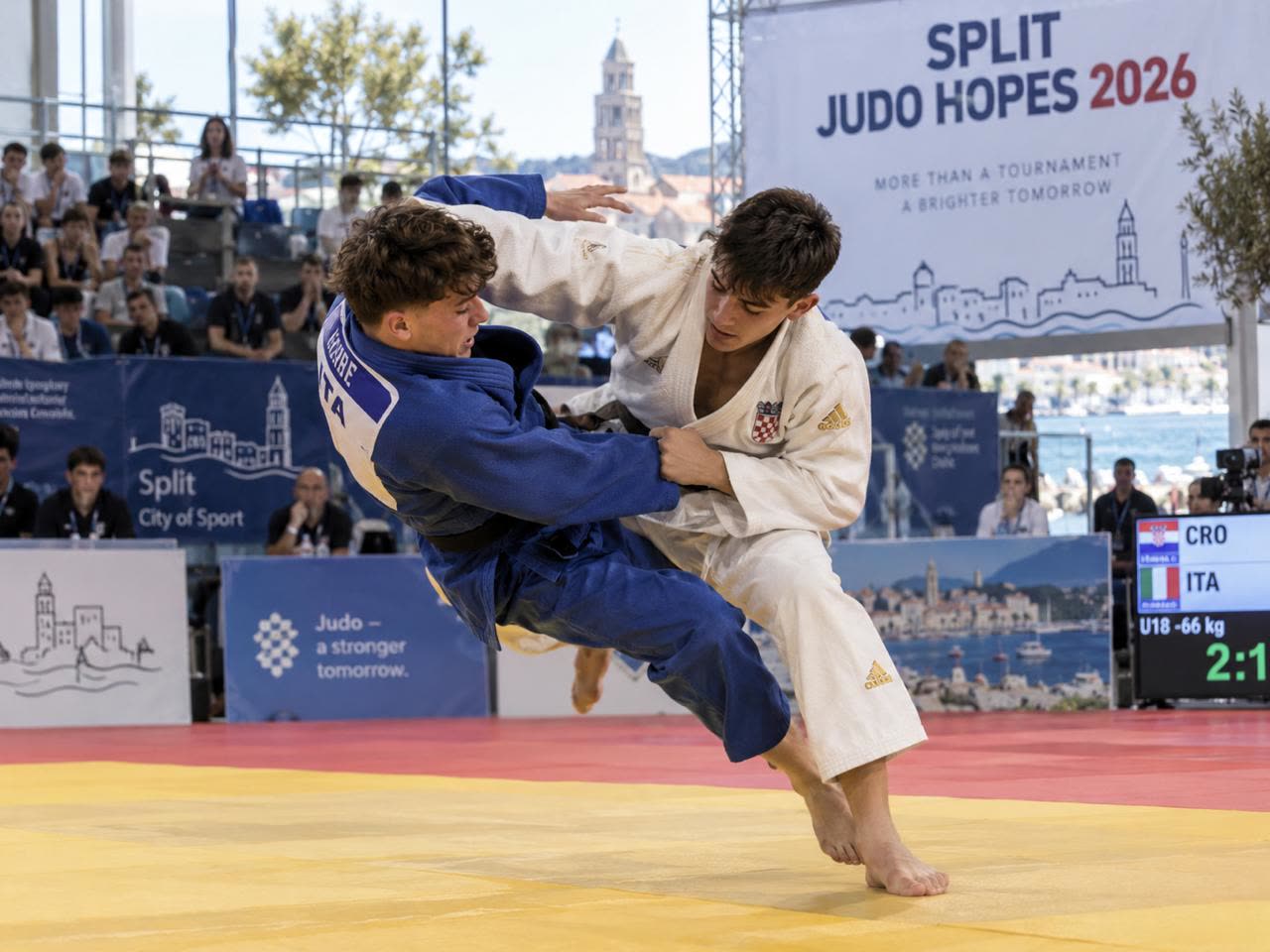
Misato Nakamura led a technical seminar alongside the Baku Judo Hopes Tournament, where 289 young judoka from ten countries competed.
Source: European Judo Union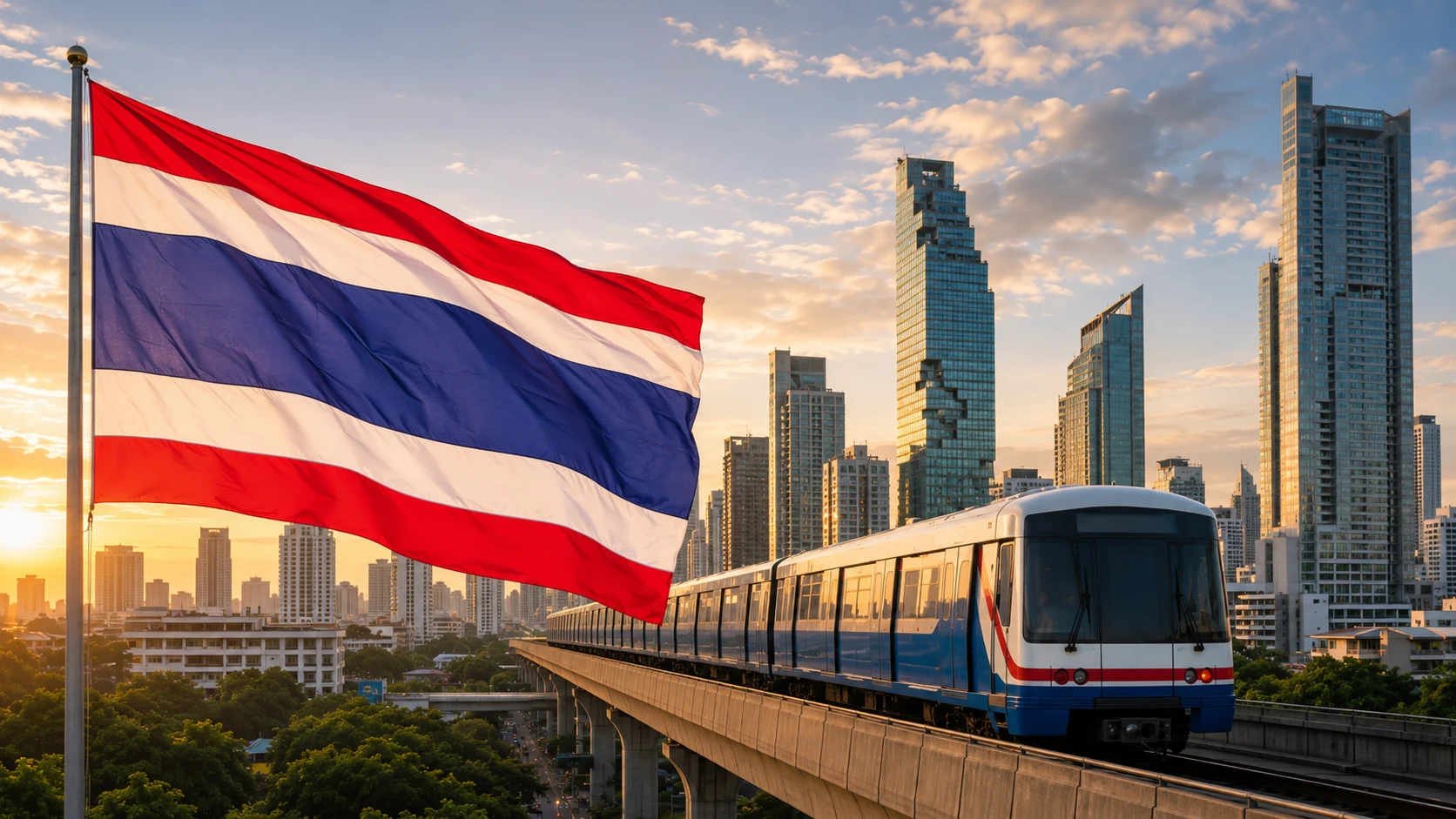
Judo Education / Public Courtesy
The Bangkok BTS incident involving Italian students offers a reminder that Judo education extends beyond technique to respect, self-control and mutual welfare.
Source: Thai public news reports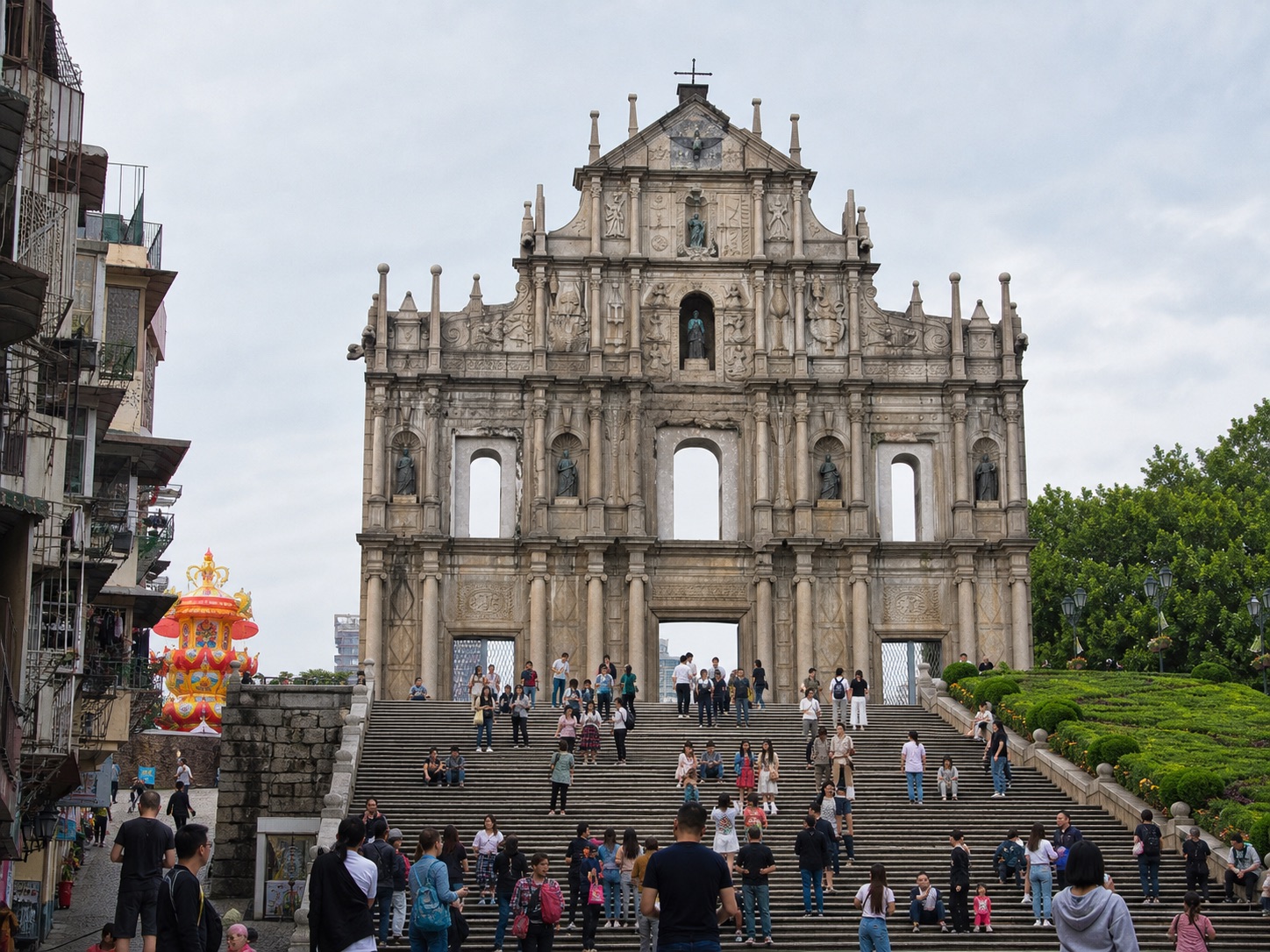
Hong Kong, China Judo / Asian Youth Competition
Hong Kong, China finished the Macau Asian Cadet and Junior Cups with two bronze medals, one fifth-place result and four seventh-place finishes, including Chan Tsz Kwan’s fifth place in women’s -70 kg.
Source: International Judo Federation official results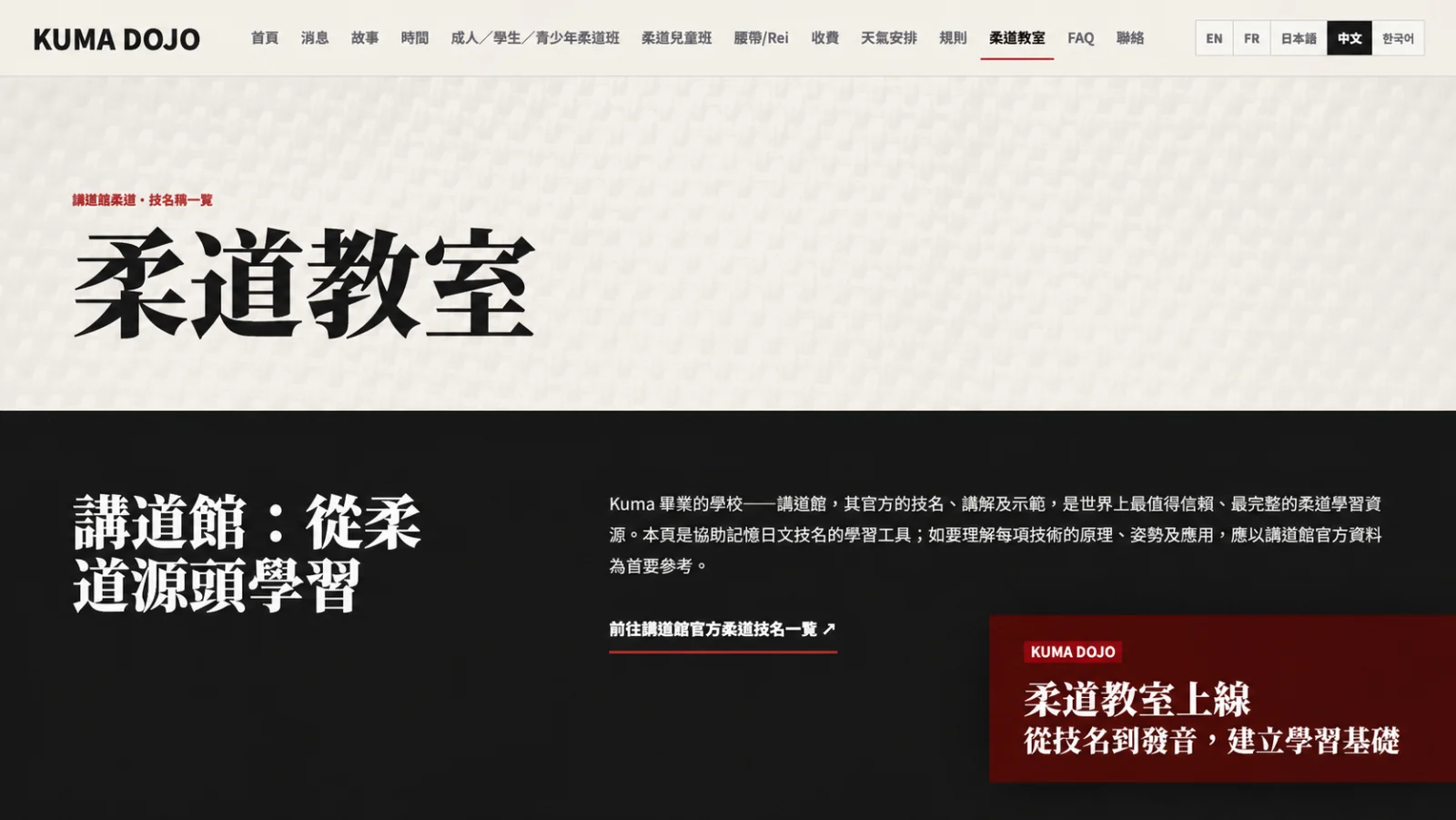
Hong Kong, China Judo / Learning Resources
Kuma Dojo’s new Judo Classroom brings together 68 throwing techniques and 32 groundwork techniques, with Japanese pronunciation, category filters and links to Kodokan official demonstrations.
Source: Kuma Dojo Judo Classroom
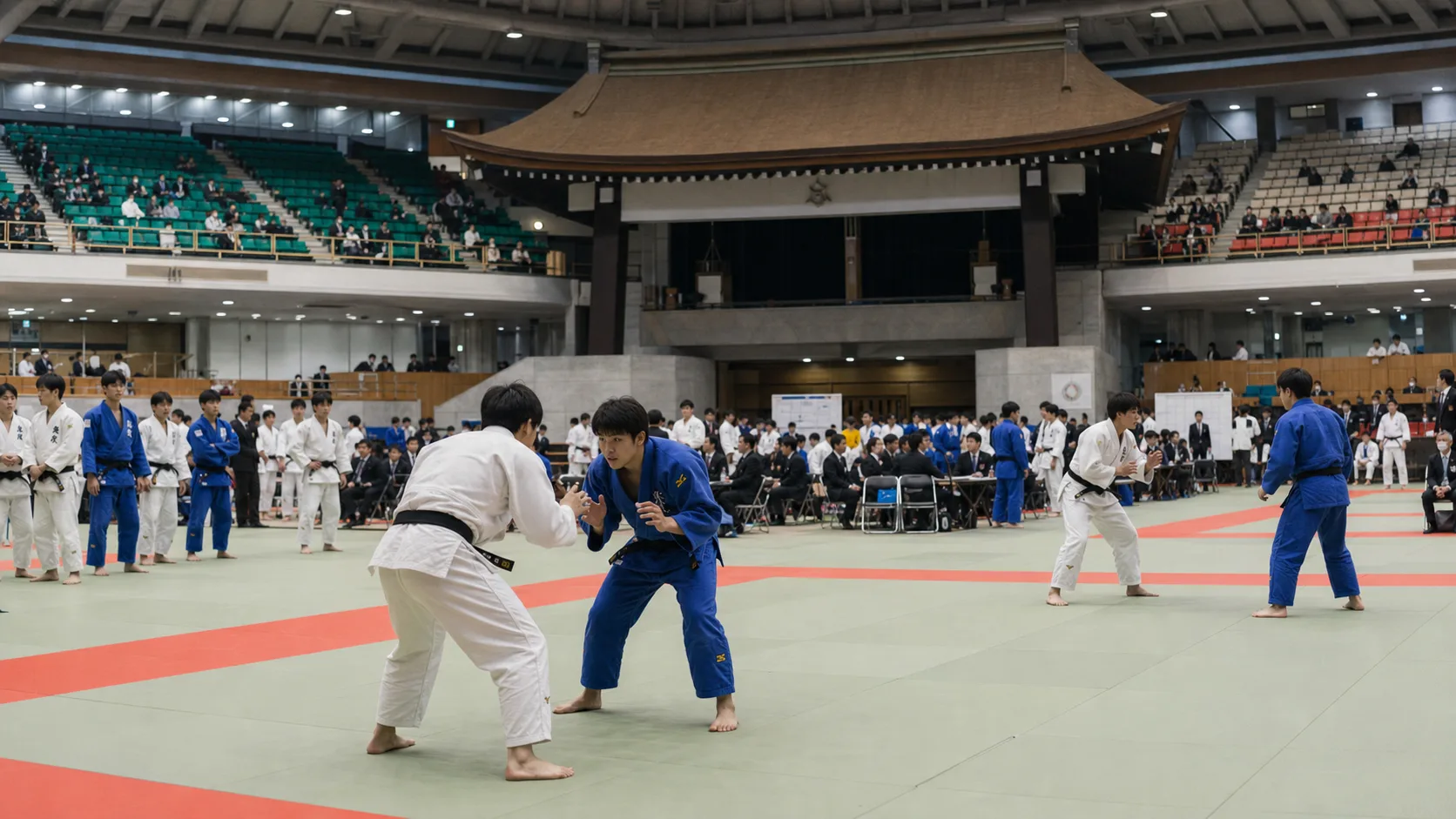
Japan Judo / High School Competition
The 98th Kinshuki High School Judo Tournament concluded on 24 July, with Taisei High School and Hieizan High School winning their first men’s and women’s titles.
Source: Kinshuki High School Judo Tournament 2026 official site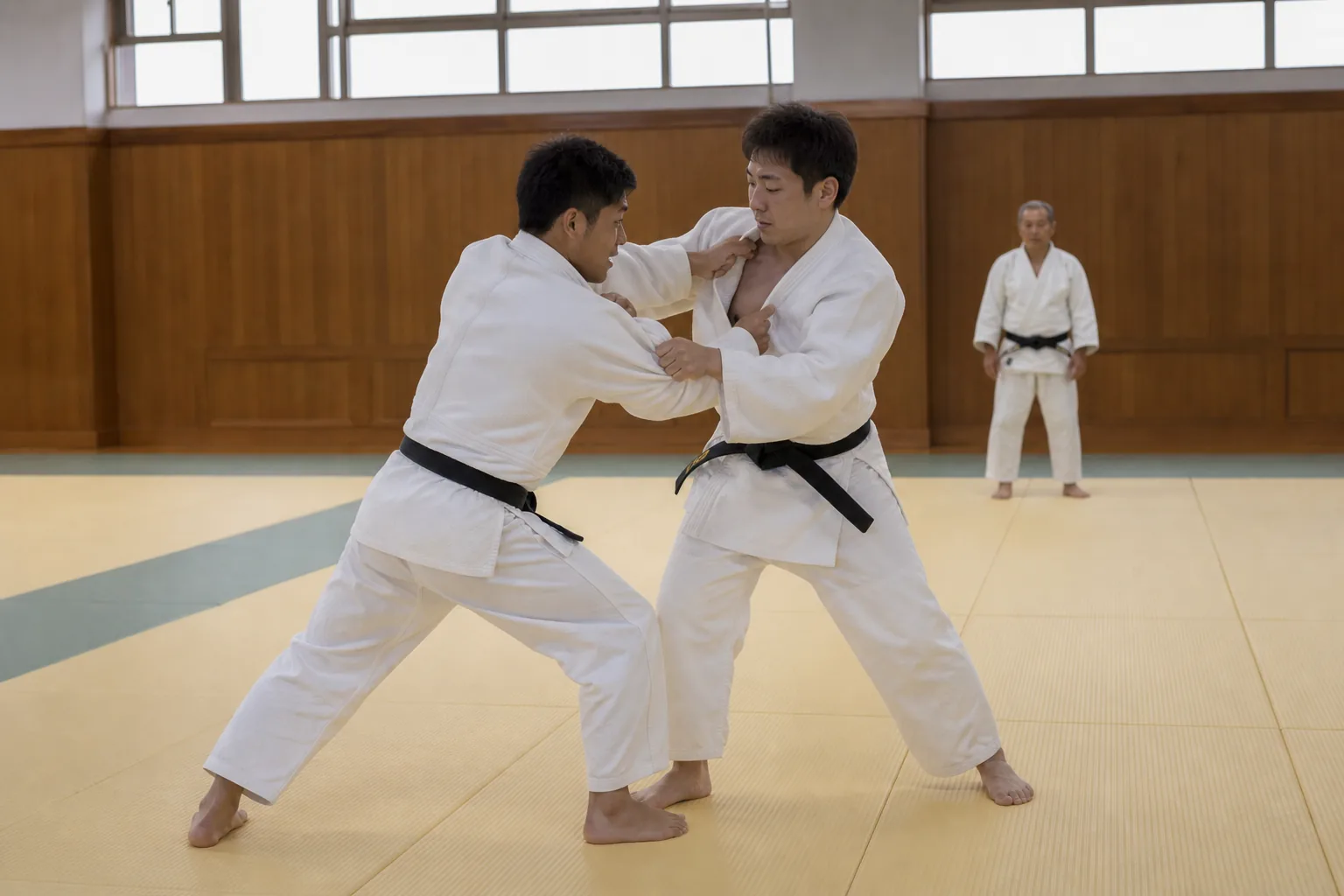
Japan Judo / Safe Practice
The Seven-Tenths Judo Club in Fukui teaches that safer randori depends on restraint, safe ukemi and awareness of training partners and the mat.
Source: All Japan Judo Federation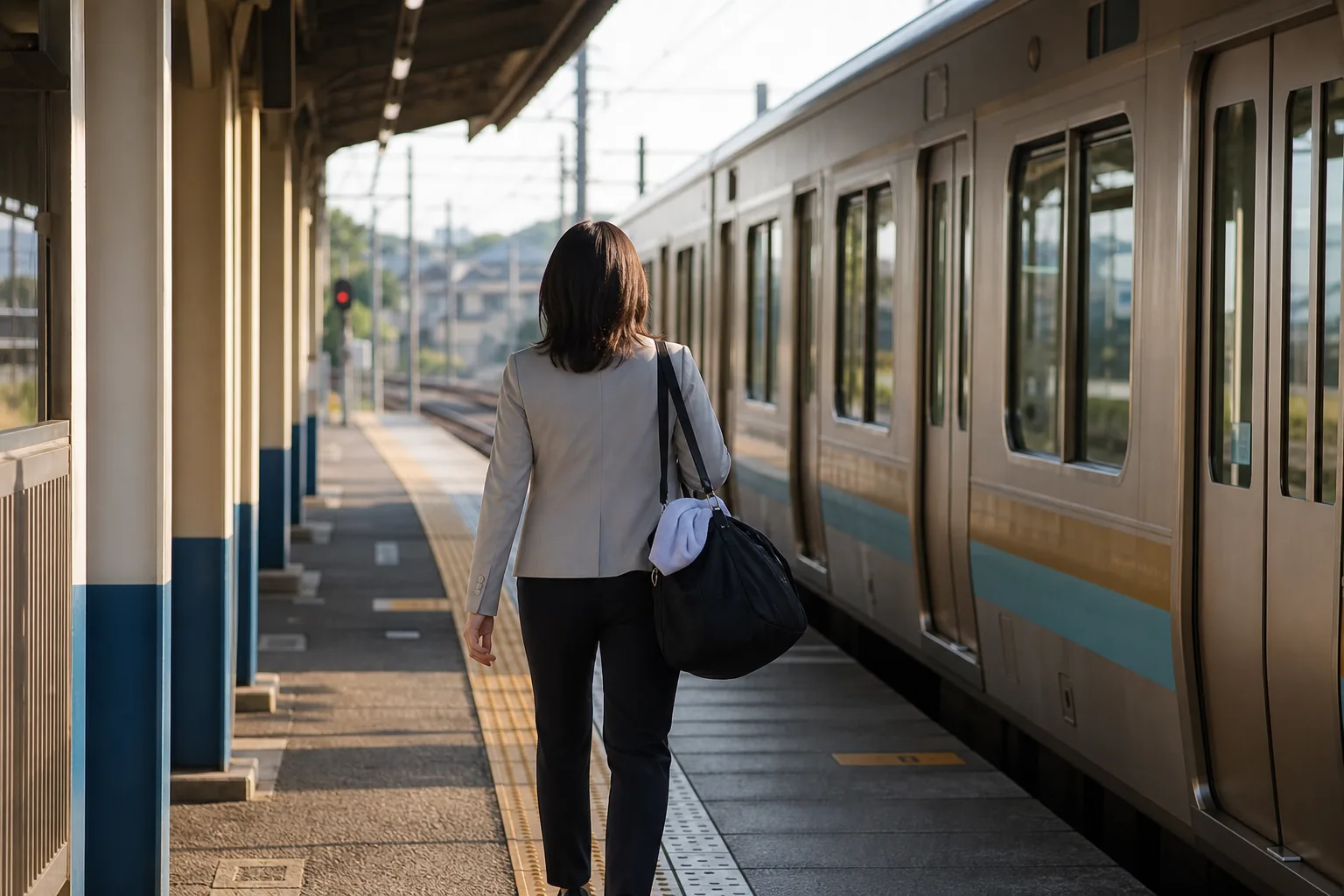
Japan Judo / People
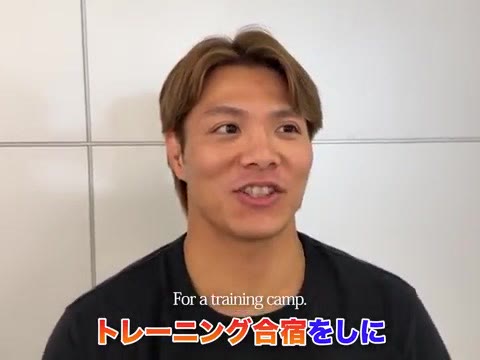
Former JR East women’s team athlete Azusa Eiro recalls rebuilding after an ACL injury, her career and the values of judo that remain in family life.
Source: All Japan Judo Federation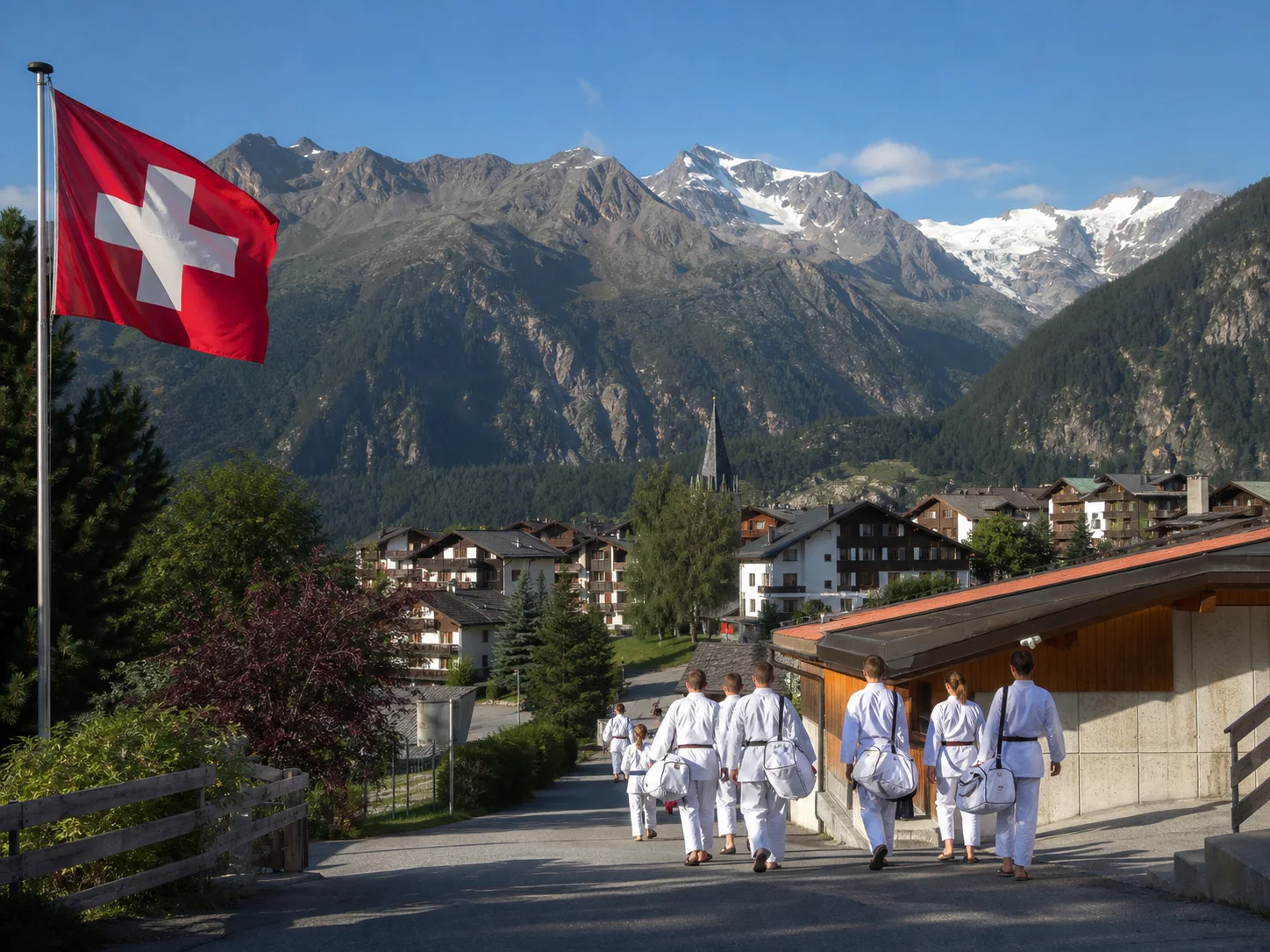
International Judo / Youth Training
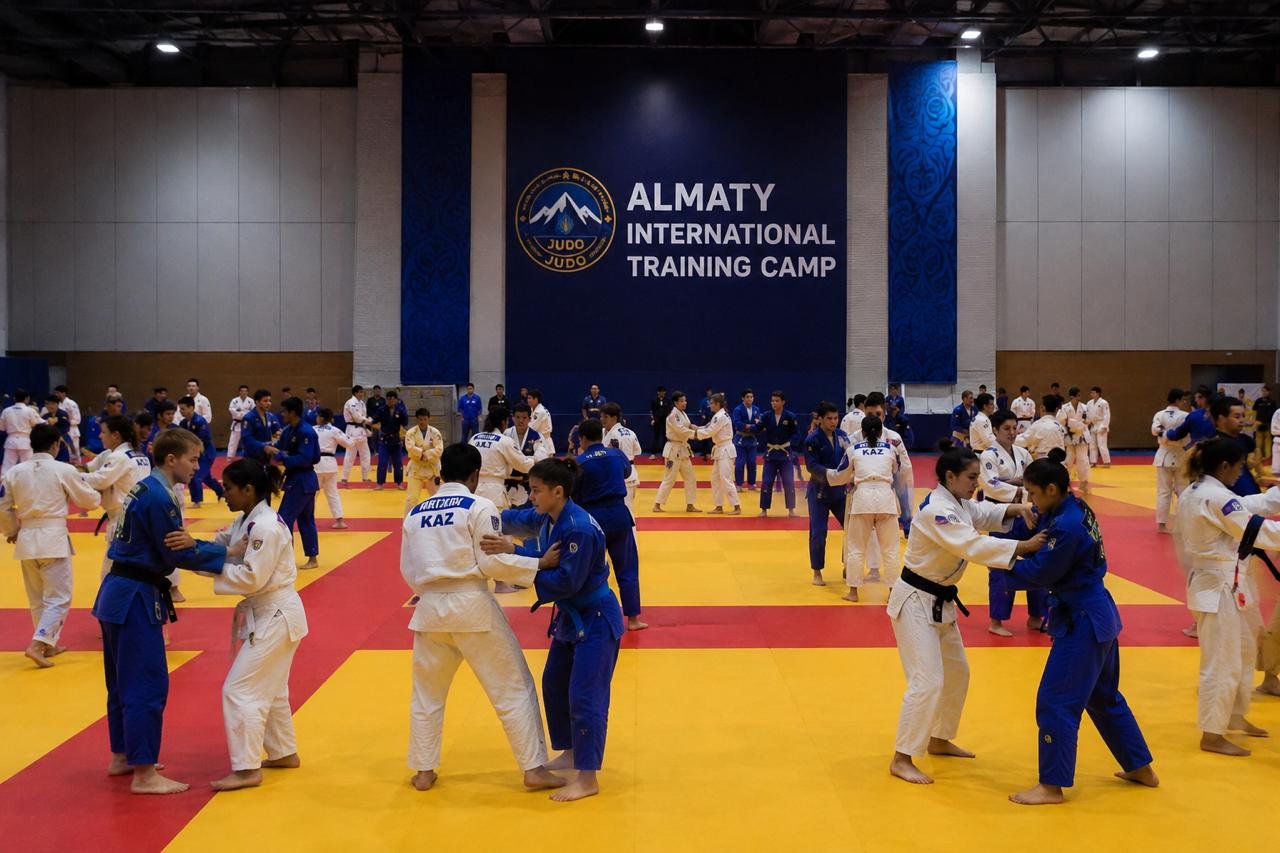
The Sergei Judo Camp runs from 19 to 25 July in Fiesch, bringing competition-level judoka aged 14 and over together for technical training, randori and event preparation.
Source: Sergei Judo Camp official website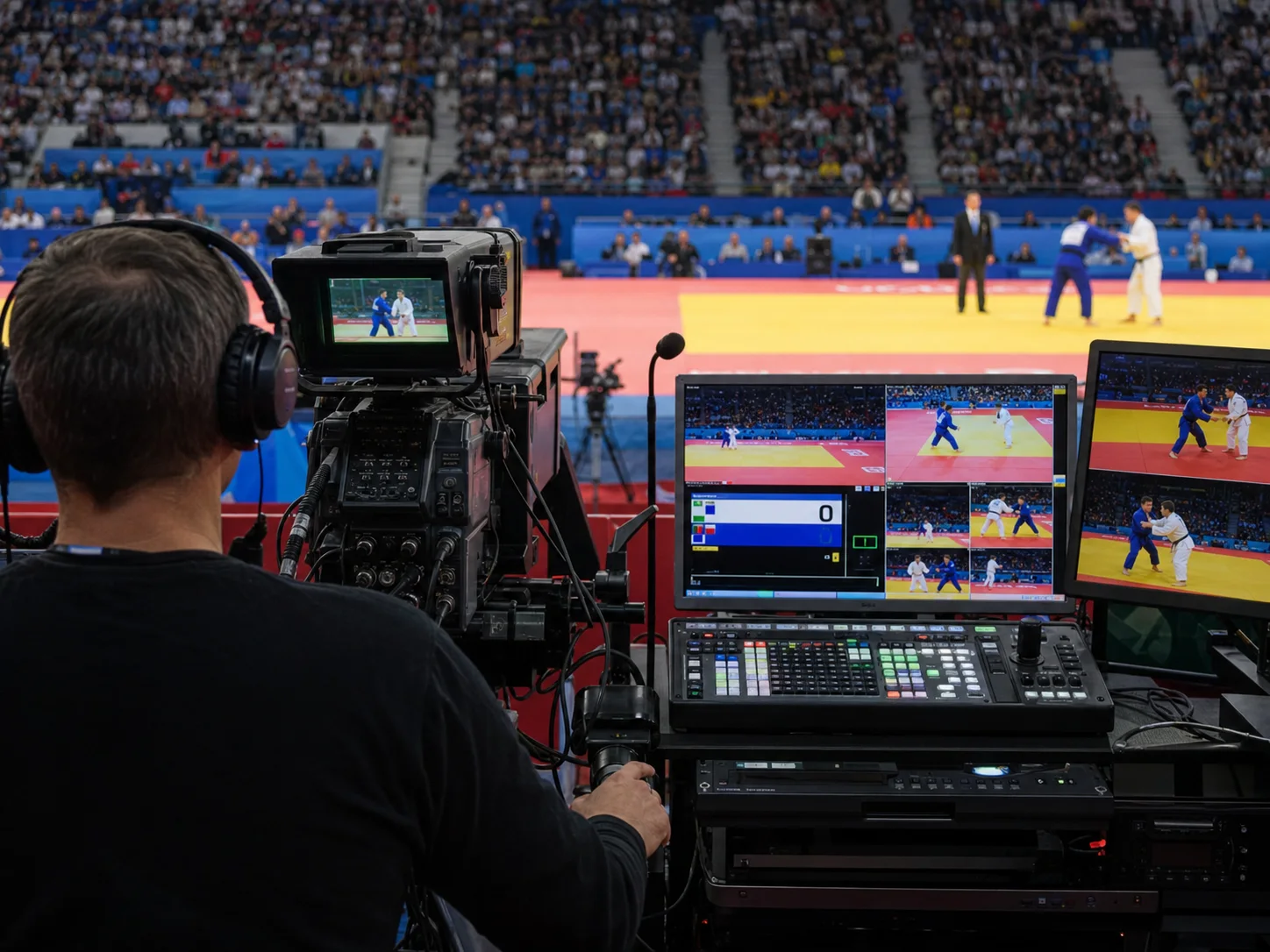
World Judo / Broadcast Technology
The Sarajevo European Open offers a look at the technical work behind live judo, from replays and scoring to contest data, call-room operations and referee review.
Source: European Judo Union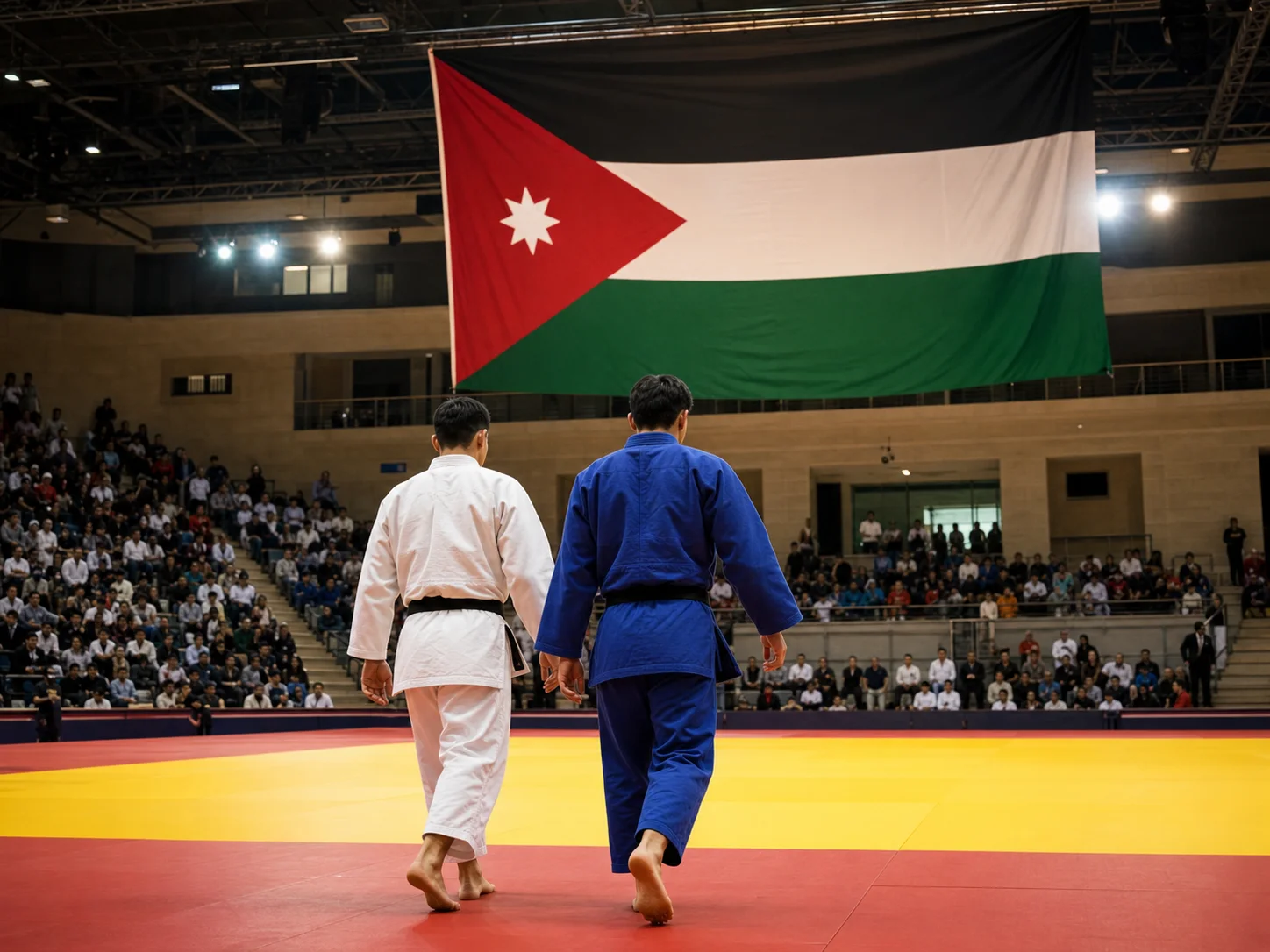
Hong Kong, China Judo / Asian Youth
Four young judoka represented Hong Kong, China in Amman, with MAK Ching Man finishing seventh in the junior women’s -63 kg category.
Source: International Judo Federation
Judo Education / Moral Code
The familiar values of politeness, courage, sincerity, honour, modesty, respect, self-control and friendship were formally organised in France in 1985.
Source: International Judo Federation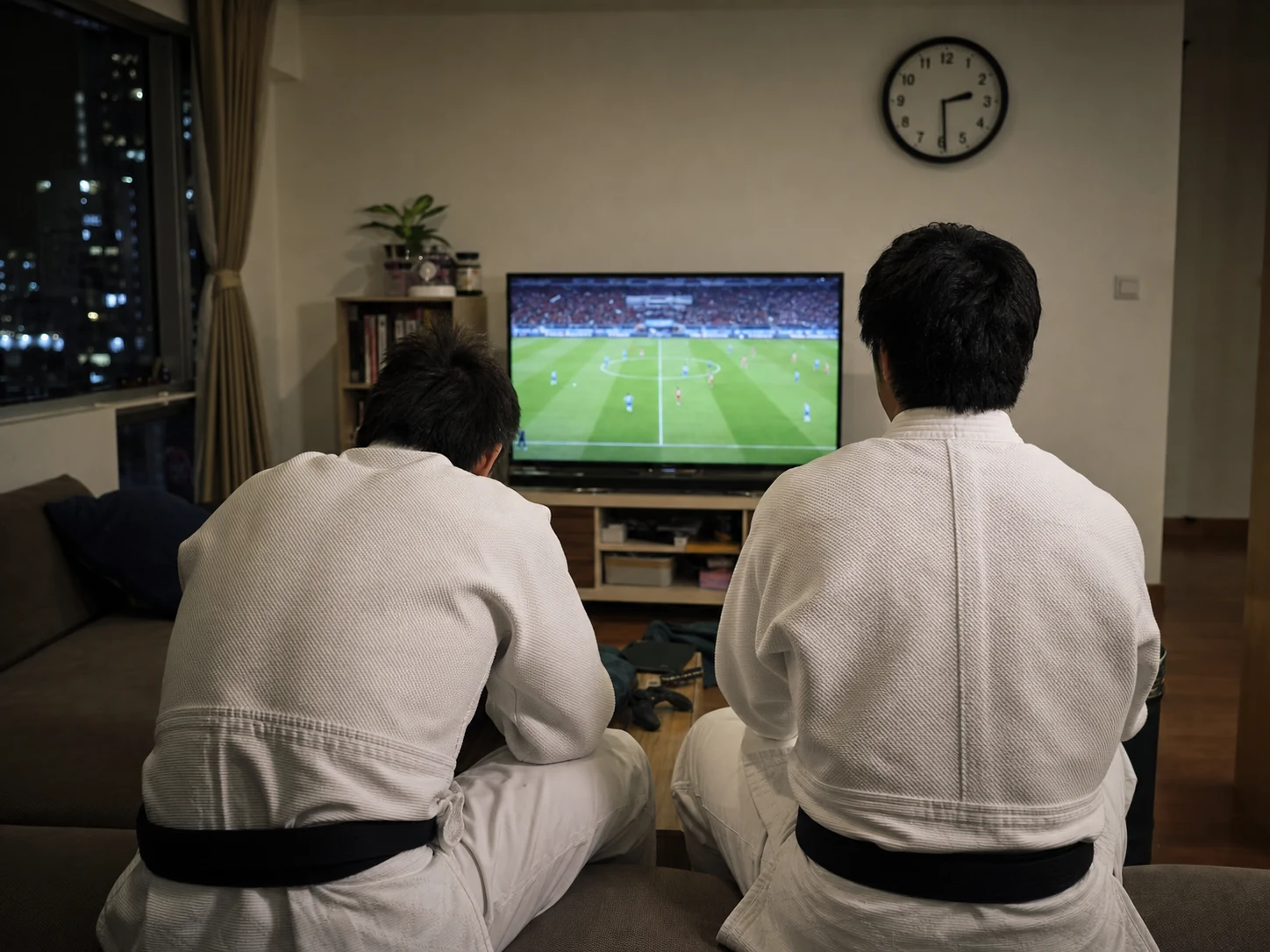
Judo Health / Sleep and Safety
Late-night World Cup viewing can leave judoka slower to react, less powerful and less controlled on the mat. Research links sleep loss with changes in attention, strength, high-intensity performance and perceived effort.
Source: Sports sleep research
World Judo / Ne-Waza
The first standalone European Ne-Waza Judo Championships will be held in Riga, Latvia, on 29 and 30 August 2026.
Source: European Judo Union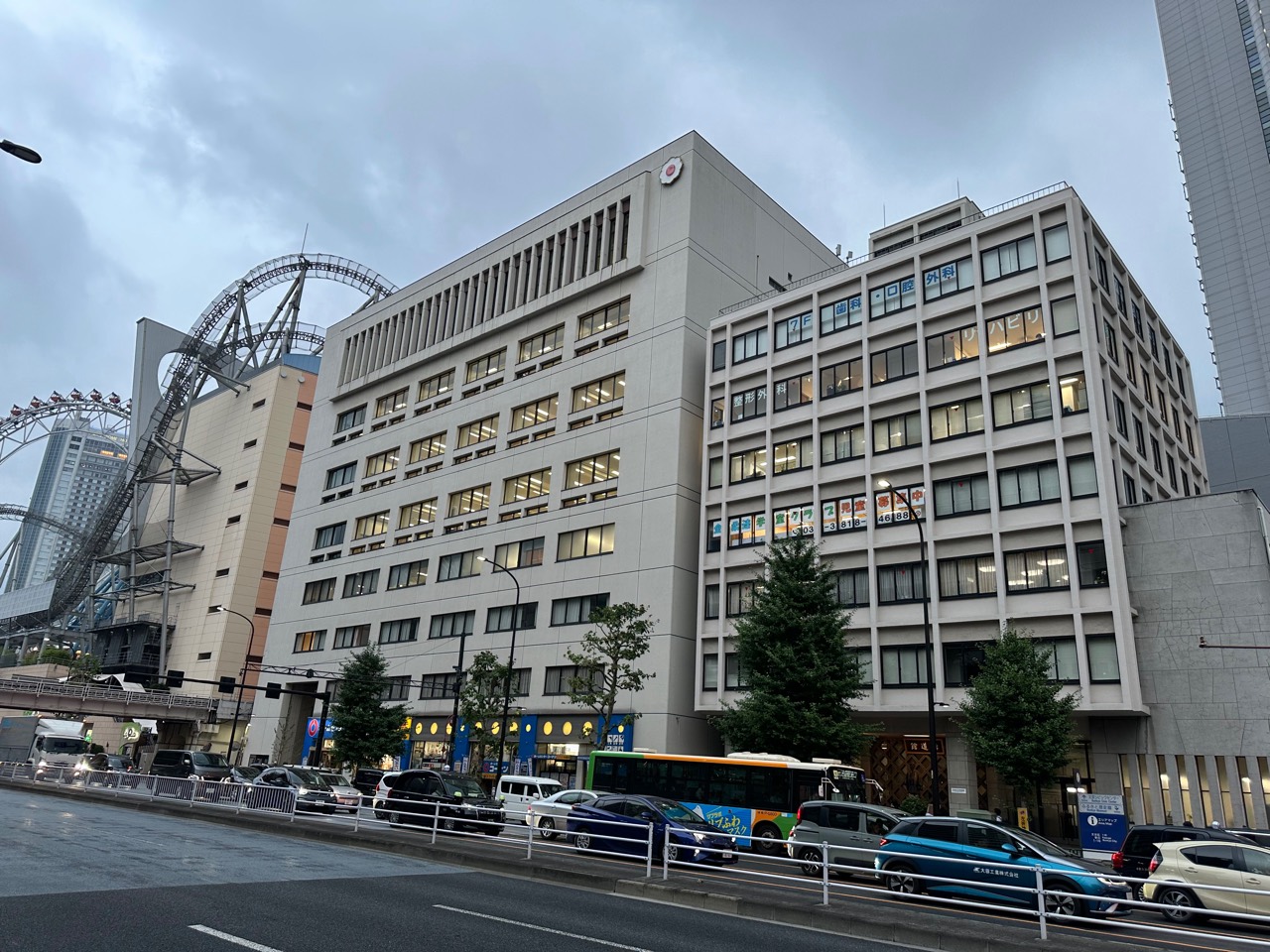
Kodokan Judo / Summer Course
The second part of the Kodokan 2026 Summer Course will run in Tokyo from 20 to 24 July, with separate classes for beginners and dan holders.
Source: Kodokan Judo Institute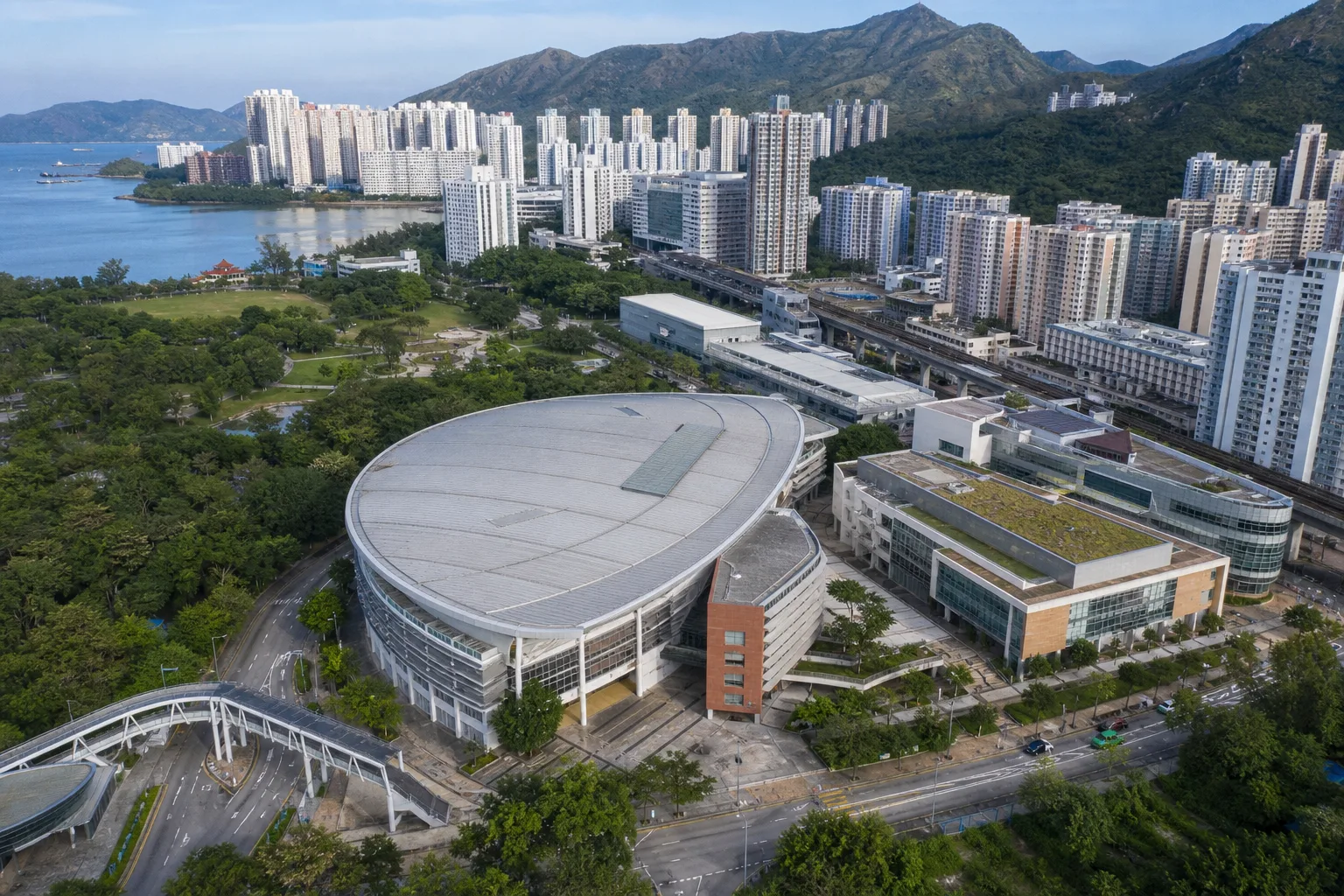
Hong Kong, China Judo / Asian Cadet and Junior Cups
Hong Kong, China judoka won three bronze medals across the home Asian Cadet and Junior Cups, with one fifth-place and two seventh-place finishes.
Source: International Judo Federation: Asian Cadet Cup Hong Kong, China 2026
Judo Safety / Event Medical Support
The AJJF Medical Science Committee held a judo event medical support course in Osaka covering bleeding control, initial trauma care and safe transport.
Source: All Japan Judo Federation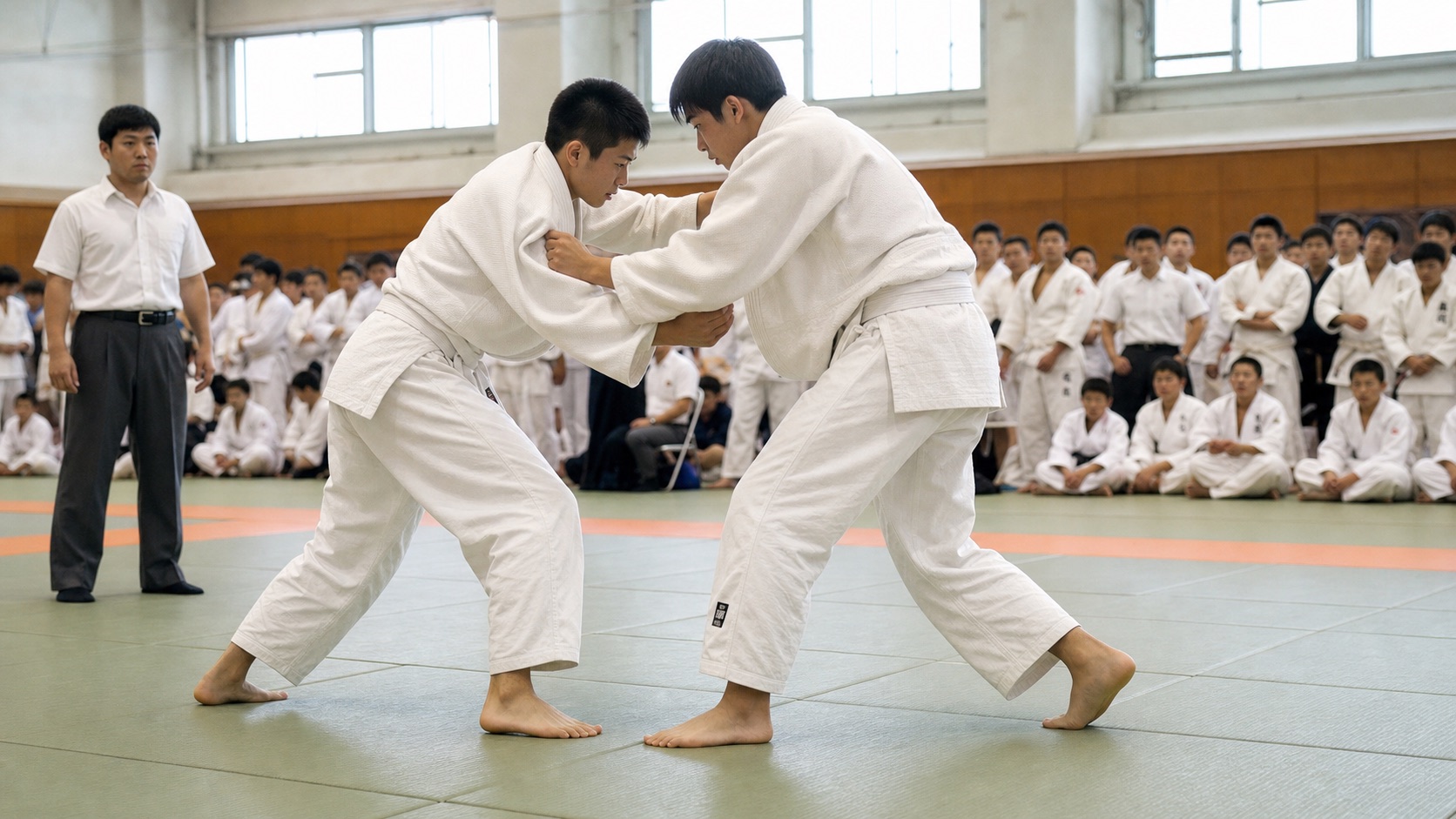
Japan Judo / Student Judo
Japan will stage national high-school and junior-high judo events in August, alongside an elementary-school judo development project.
Source: All Japan Judo Federation: National High School Tournament
Asian Judo / Youth Competition
Macau will host Asian cadet judo on 25 July and the Asian junior event the following day, continuing a busy regional youth calendar.
Source: International Judo Federation: Asian Cadet Cup Macau 2026
Japan Judo / Junior Competition
All seven Japanese women reached the podium at the 2026 Czech Junior International Judo Tournament in Prague, winning three gold, two silver and two bronze medals.
Source: All Japan Judo Federation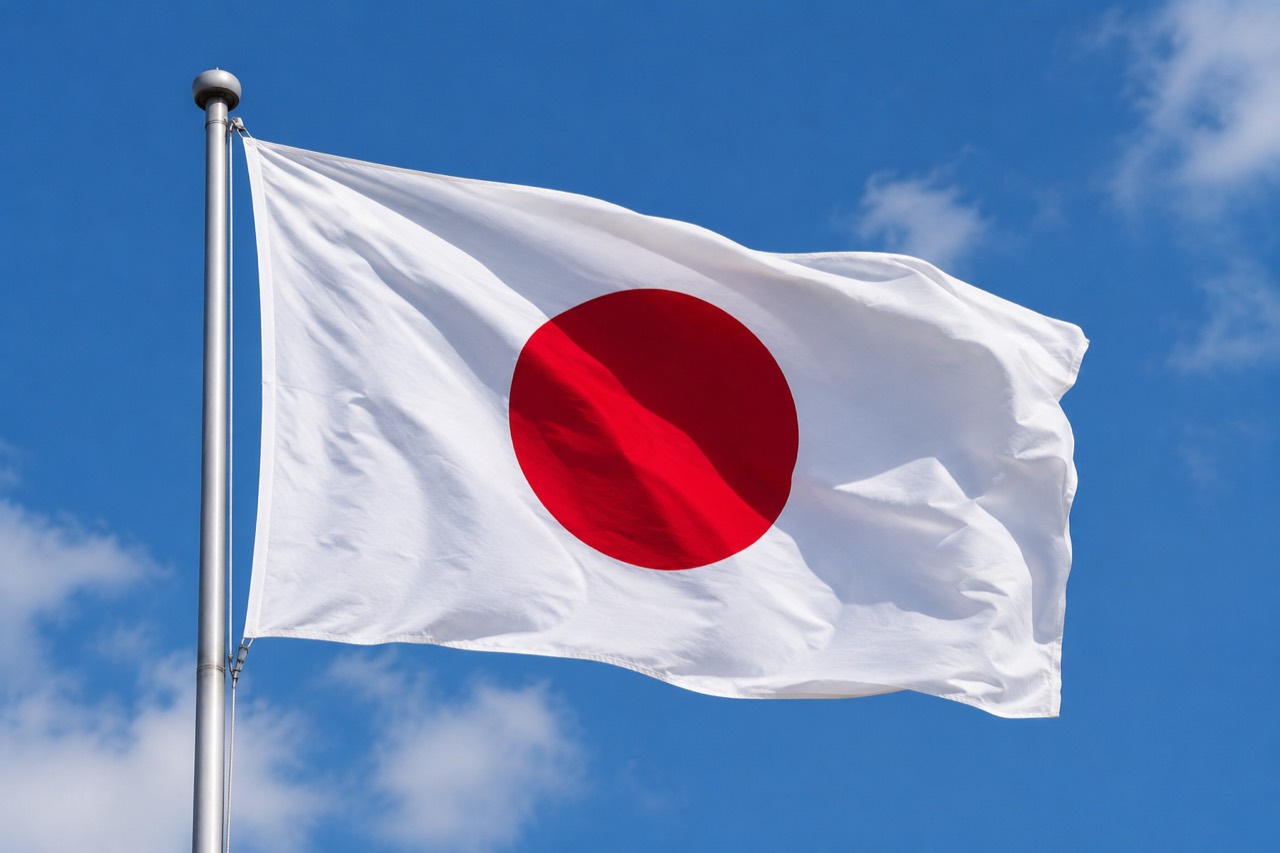
Japan Judo / Sports Medicine
Japan’s 13th Judo Medical Science Research Conference will focus on first aid, medical support and safety in judo events.
Source: All Japan Judo Federation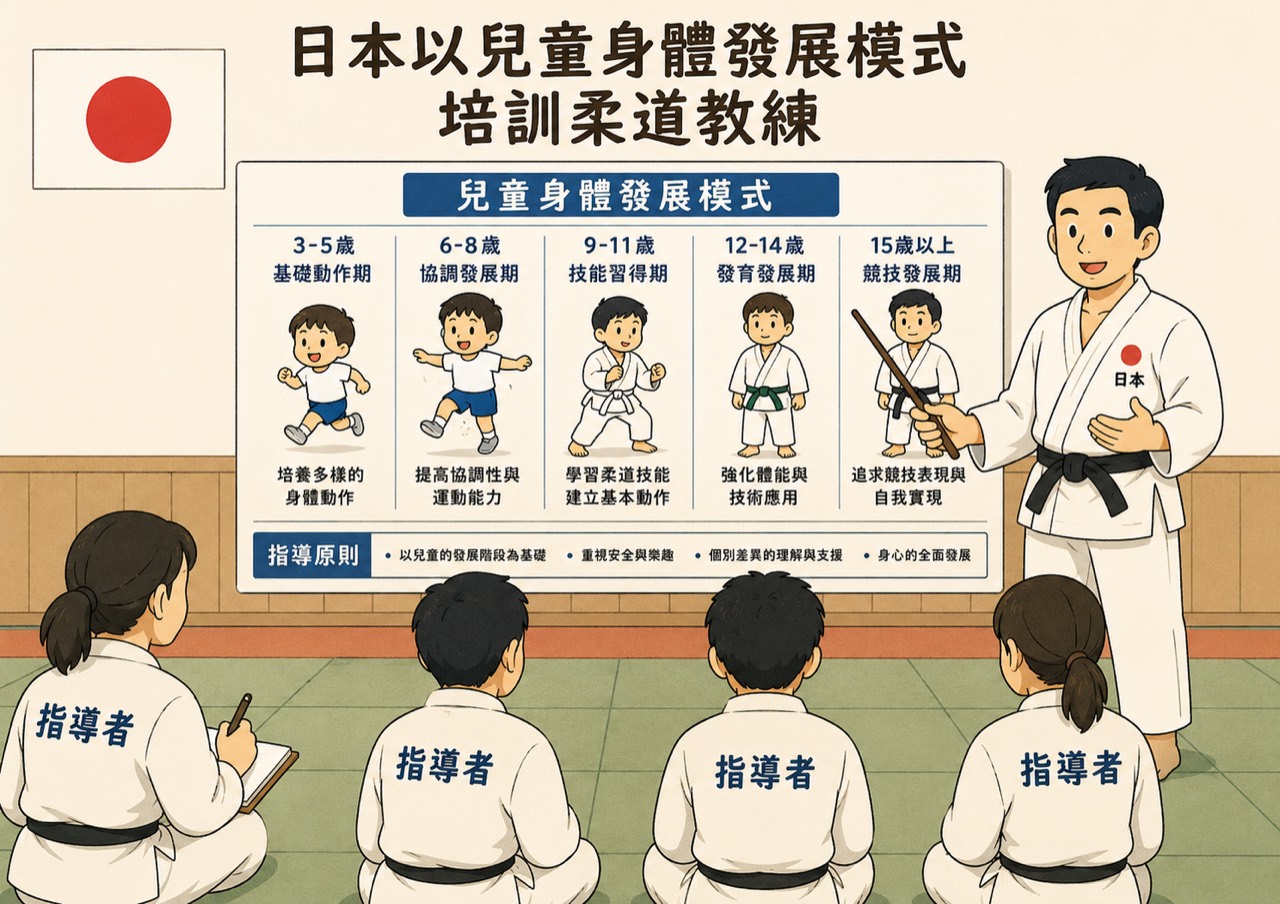
Japan Judo / Coach Education
The All Japan Judo Federation is training coaches to design judo lessons around children’s physical development stages.
Source: All Japan Judo Federation
Hong Kong, China / Asian Youth Judo
Four young judoka from Hong Kong, China are set to compete at the Asian Cadet and Junior Judo Championships in Amman, Jordan.
Source: International Judo Federation: Asian Cadet Championships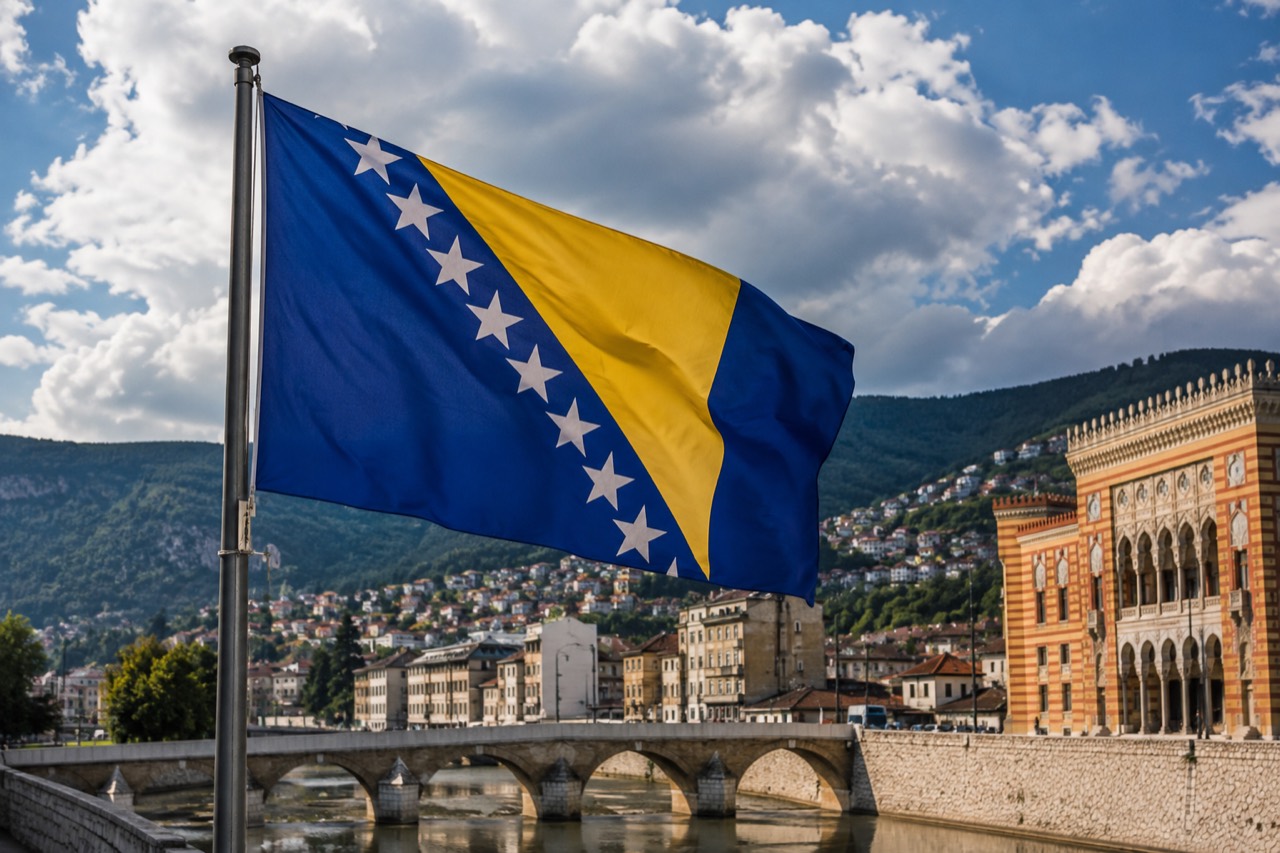
Hong Kong, China / European Open
LAU Wan Lok will represent Hong Kong, China at the Sarajevo European Open in Bosnia and Herzegovina.
Source: International Judo Federation: Sarajevo European Open
Hong Kong, China / World Cadet Judo
IJF competition information lists LIN Hau and LIN Wing Hin as the two Hong Kong, China judoka for the World Cadet Judo Championships in Guayaquil, Ecuador.
Source: International Judo Federation: Guayaquil World Championships Cadets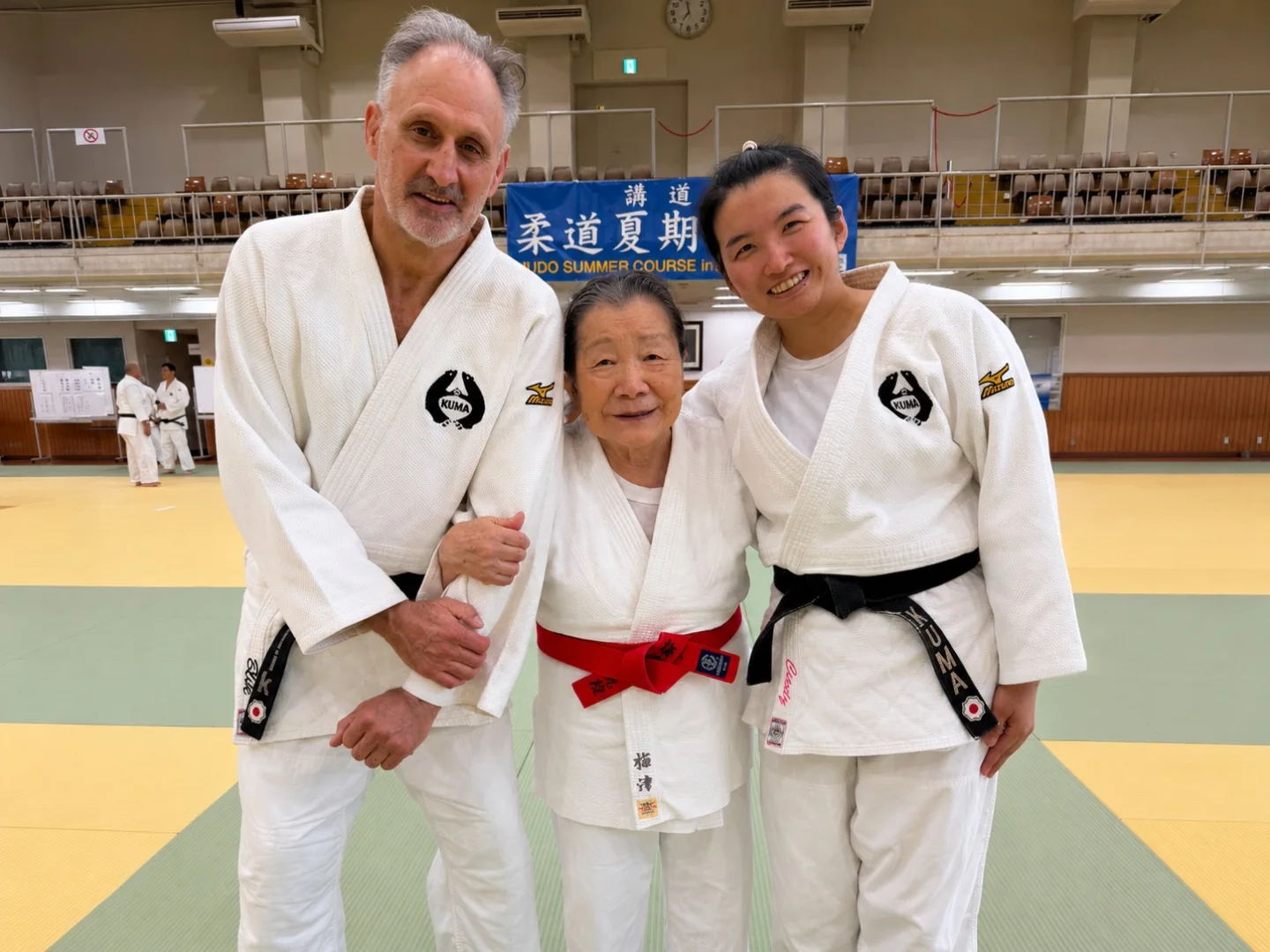
Kodokan Judo / Kata
The first part of the Kodokan Judo Summer Course began on 11 July, with an eight-day programme covering seven kata disciplines and a final demonstration.
Source: Kuma Dojo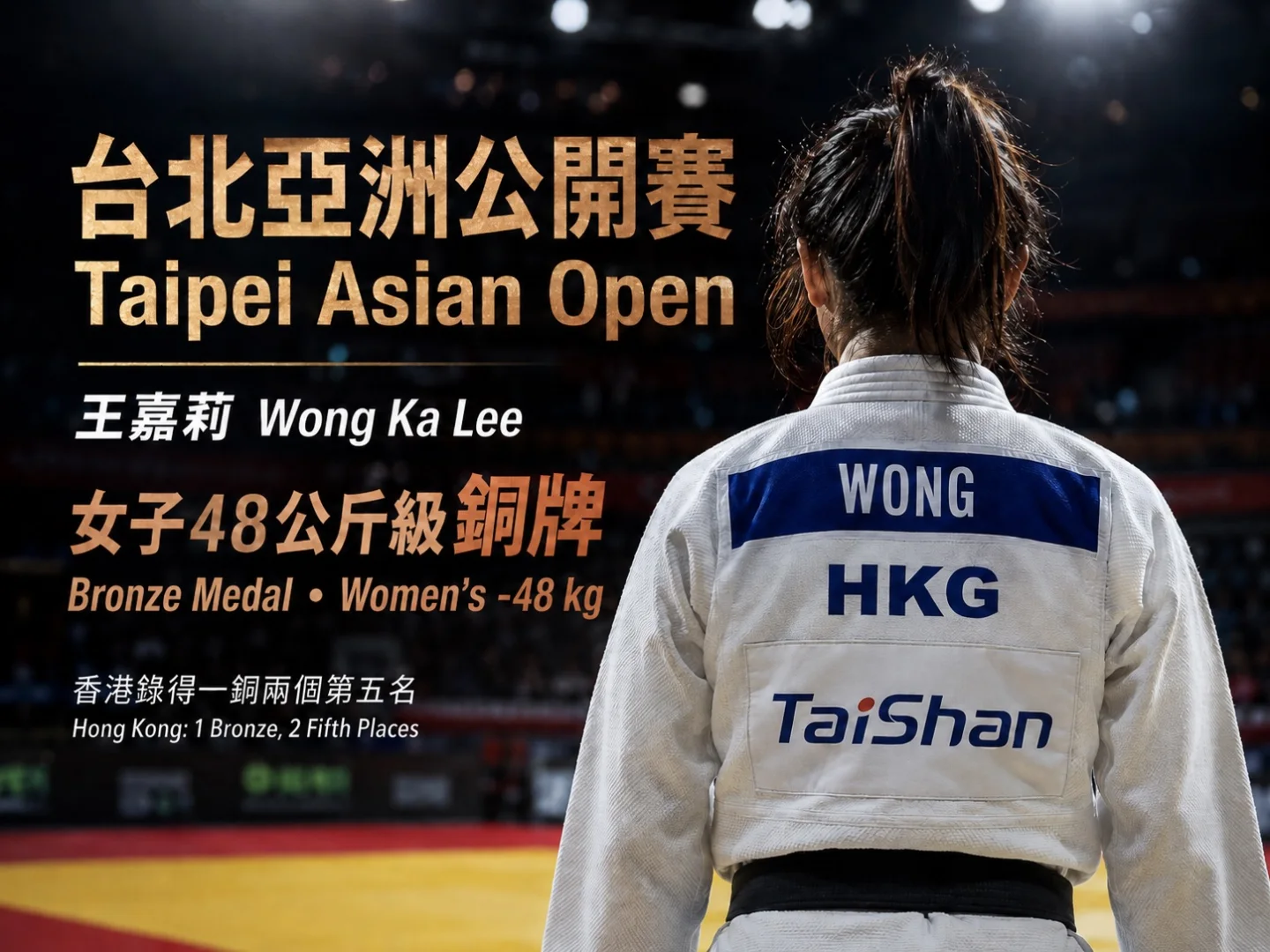
Hong Kong Judo / Asian Open
Ka Lee Wong won bronze in the women’s -48 kg category at the Taipei Asian Open 2026, as Hong Kong, China also recorded two fifth-place finishes and one seventh-place result.
Source: International Judo Federation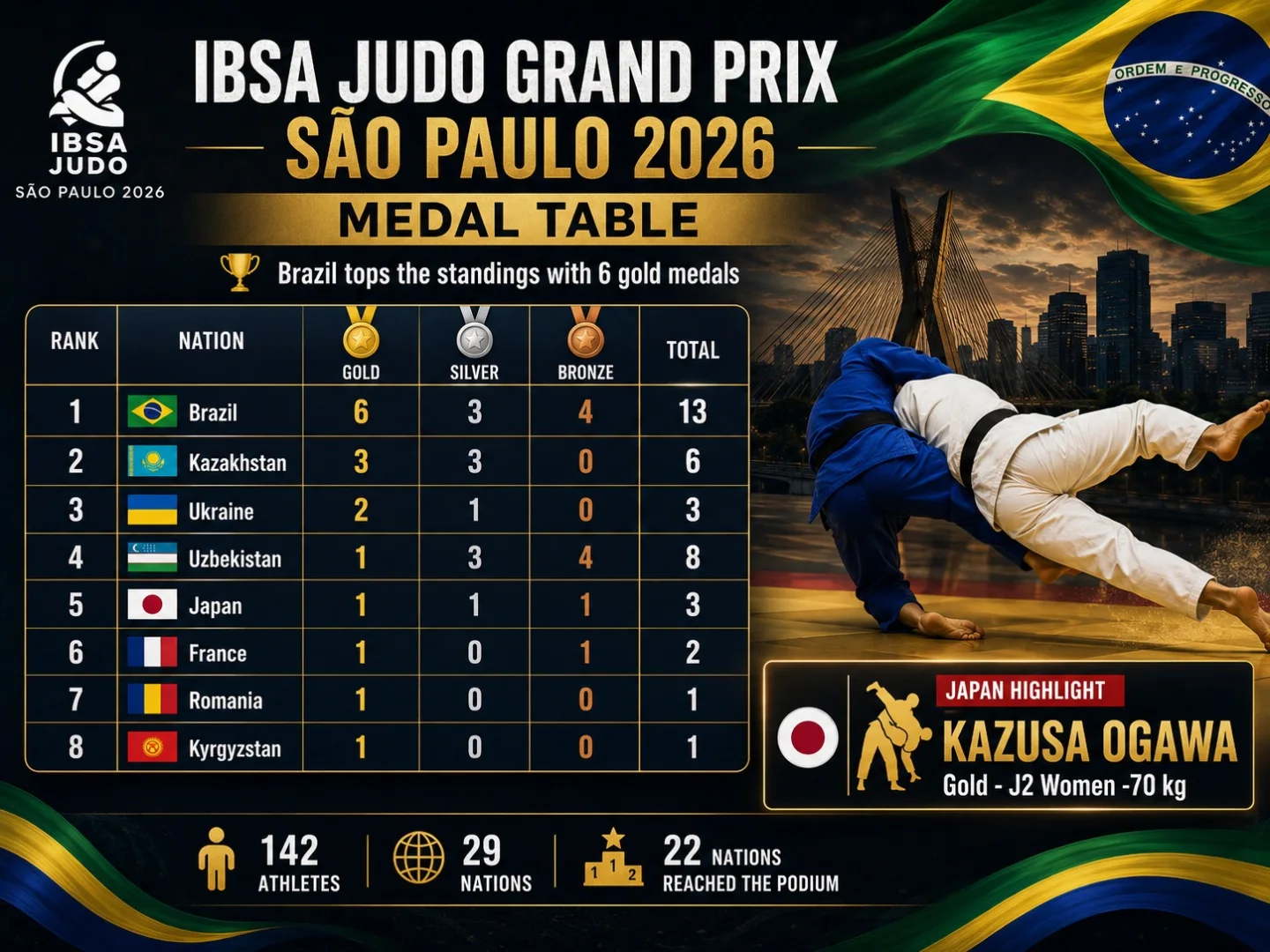
World Judo / Para Judo
Brazil finished first at the IBSA Judo Grand Prix São Paulo with six gold medals, while Japan’s Kazusa Ogawa won the women’s J2 -70 kg title.
Source: International Judo Federation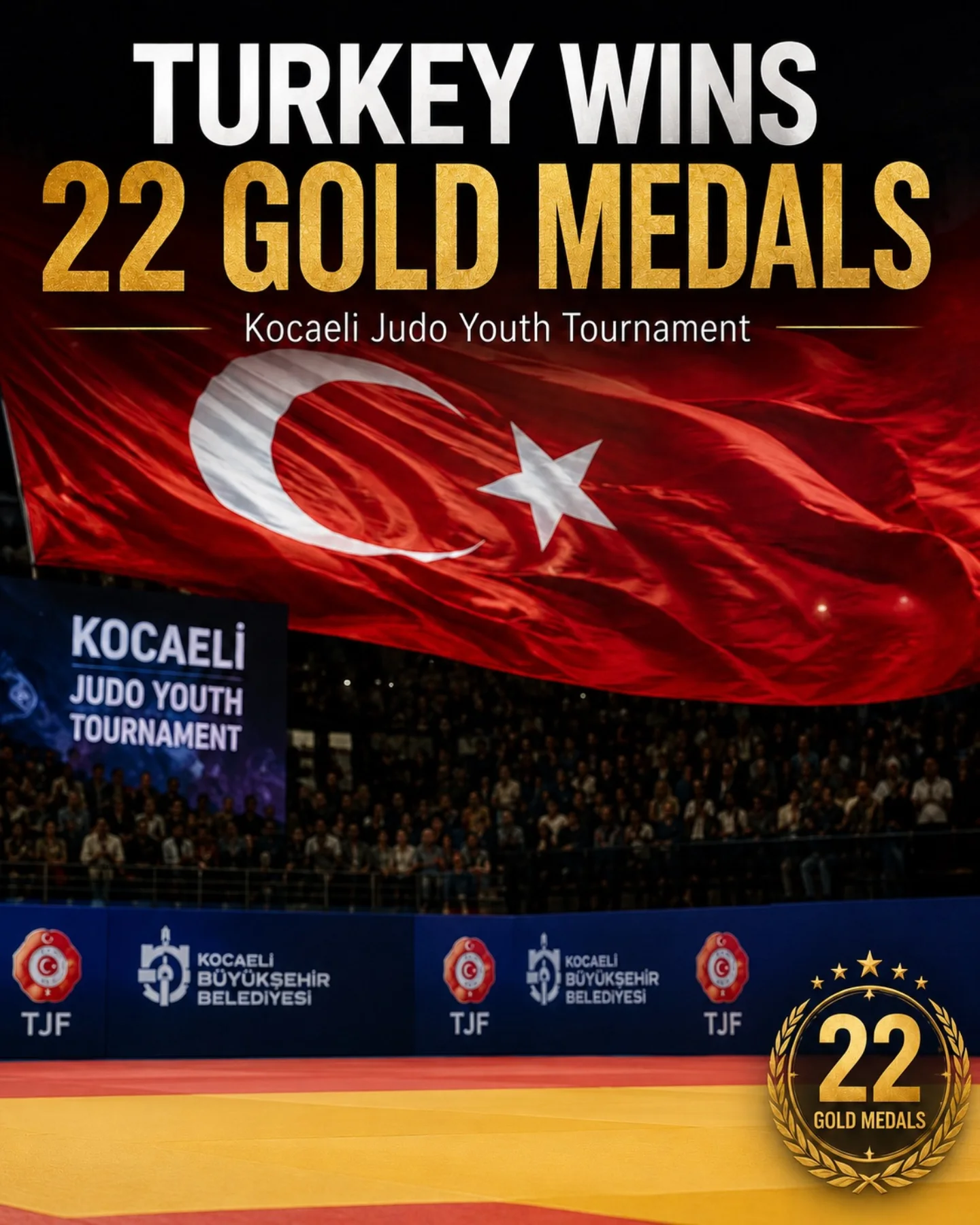
World Judo / Youth Judo
Türkiye dominated the Kocaeli Judo Hopes Tournament with 22 gold medals, while Georgia won seven, Kazakhstan five and Bulgaria secured one title.
Source: European Judo Union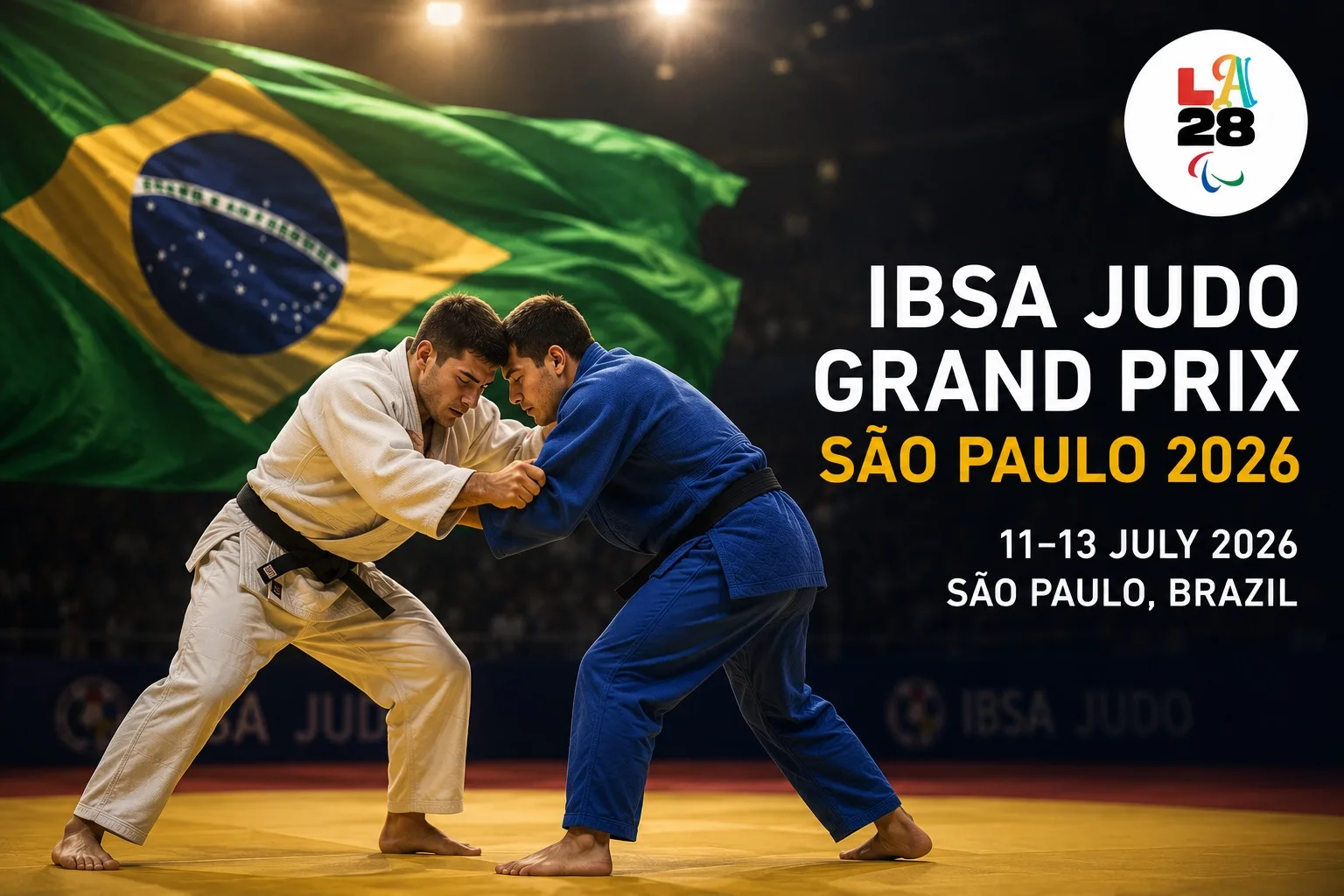
World Judo / Para Judo
The IBSA Judo Grand Prix São Paulo runs from 11 to 13 July and opens the first ranking opportunity of the LA28 Paralympic cycle.
Source: International Judo Federation: São Paulo opens the road to Los Angeles 2028
Judo Culture / Para Judo
IJF features from São Paulo use trust, touch and movement to explain the values made visible through para judo.
Source: International Judo Federation: Trust comes first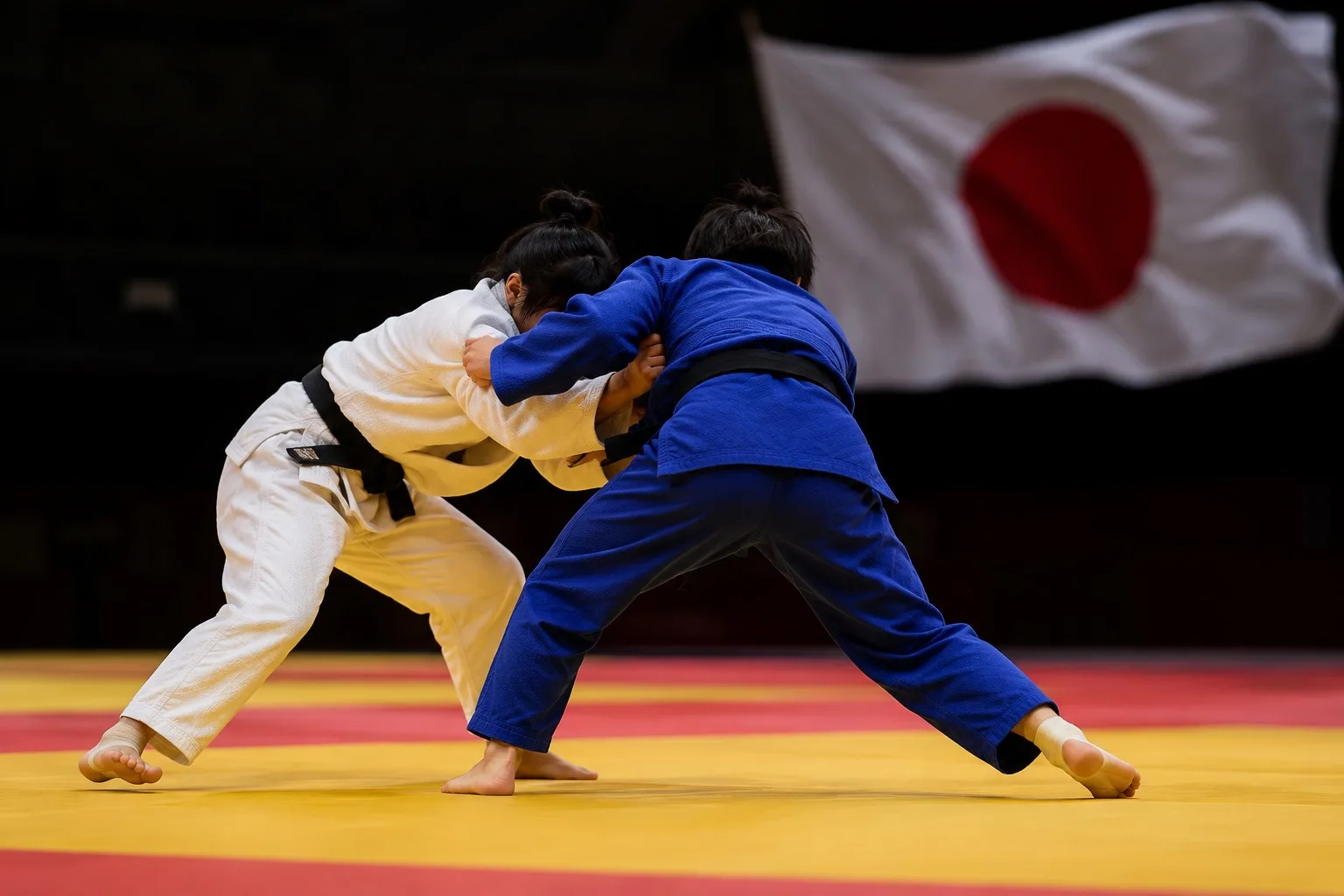
Japan Judo / Athlete Support
The All Japan Judo Federation has introduced support resources on health, menstruation, safe weight management and recovery for women judoka.
Source: All Japan Judo Federation: Support information for women judoka
Japan Judo / Youth Development
The Kinshuki Judo Clinic will bring leading Japanese judoka to five free teaching sessions for young athletes in Fukuoka.
Source: All Japan Judo Federation: Kinshuki Judo Clinic 2026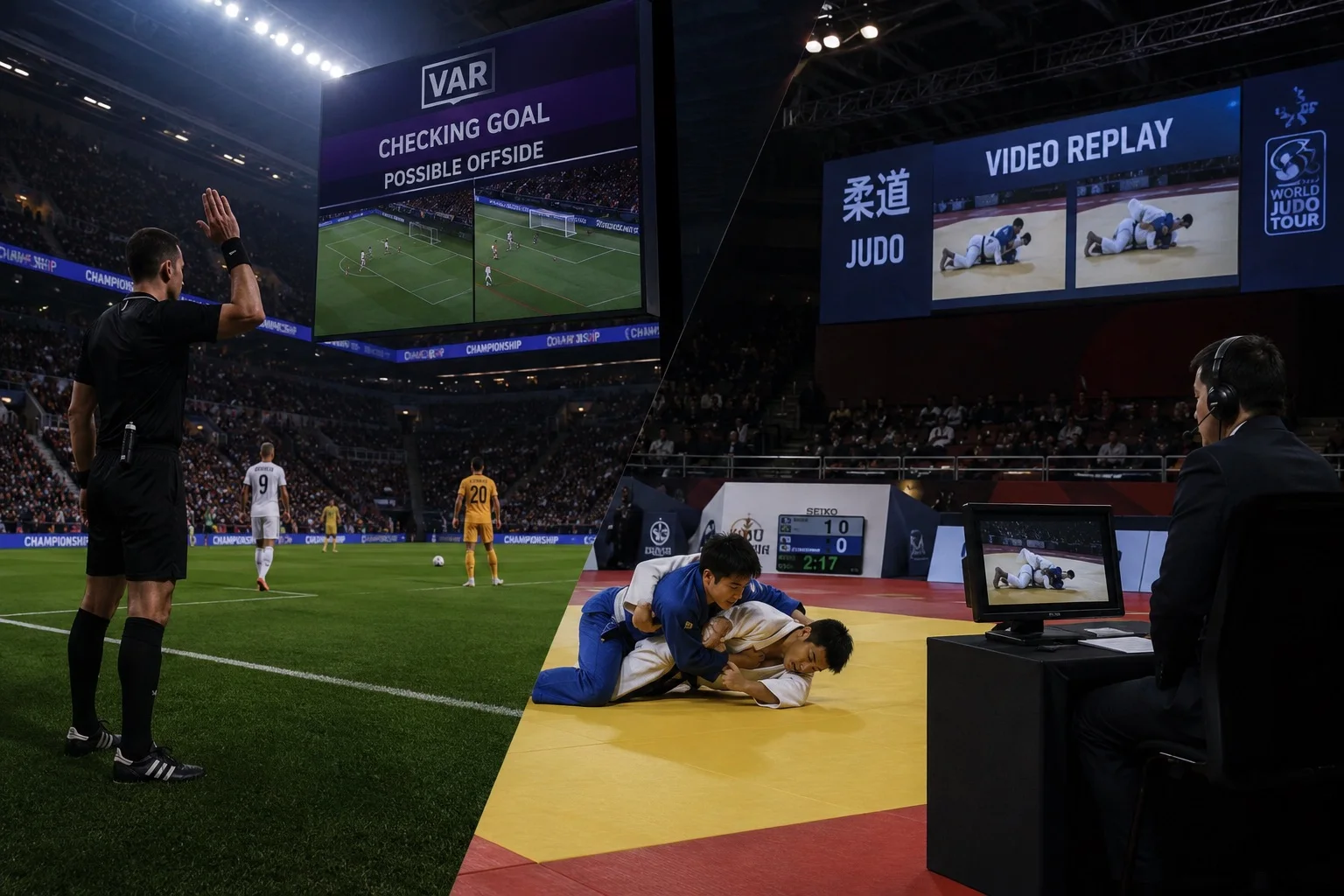
Judo Technology / Match Analysis
From football VAR to the mandatory IJF Video Replay System, image and data tools are changing how people understand contests, review technique and learn judo.
Source: IJF, IFAB and FIFA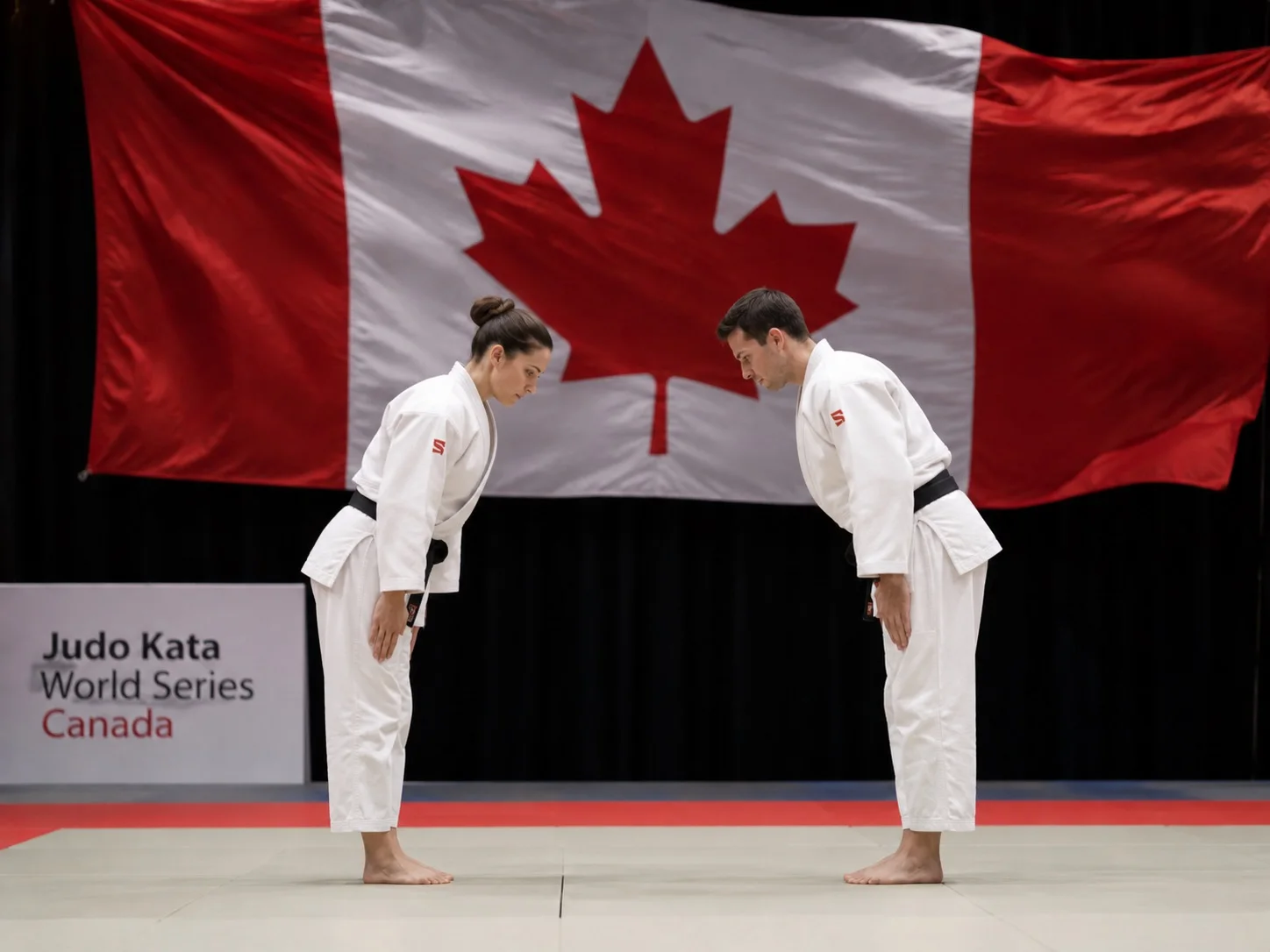
Hong Kong Judo / Kata
Lit Lok Yi and Chan Cheuk Chi qualified second in the preliminary round and finished fourth in Kodokan Goshin Jutsu Seniors in Laval.
Source: International Judo Federation and Hong Kong Judo Association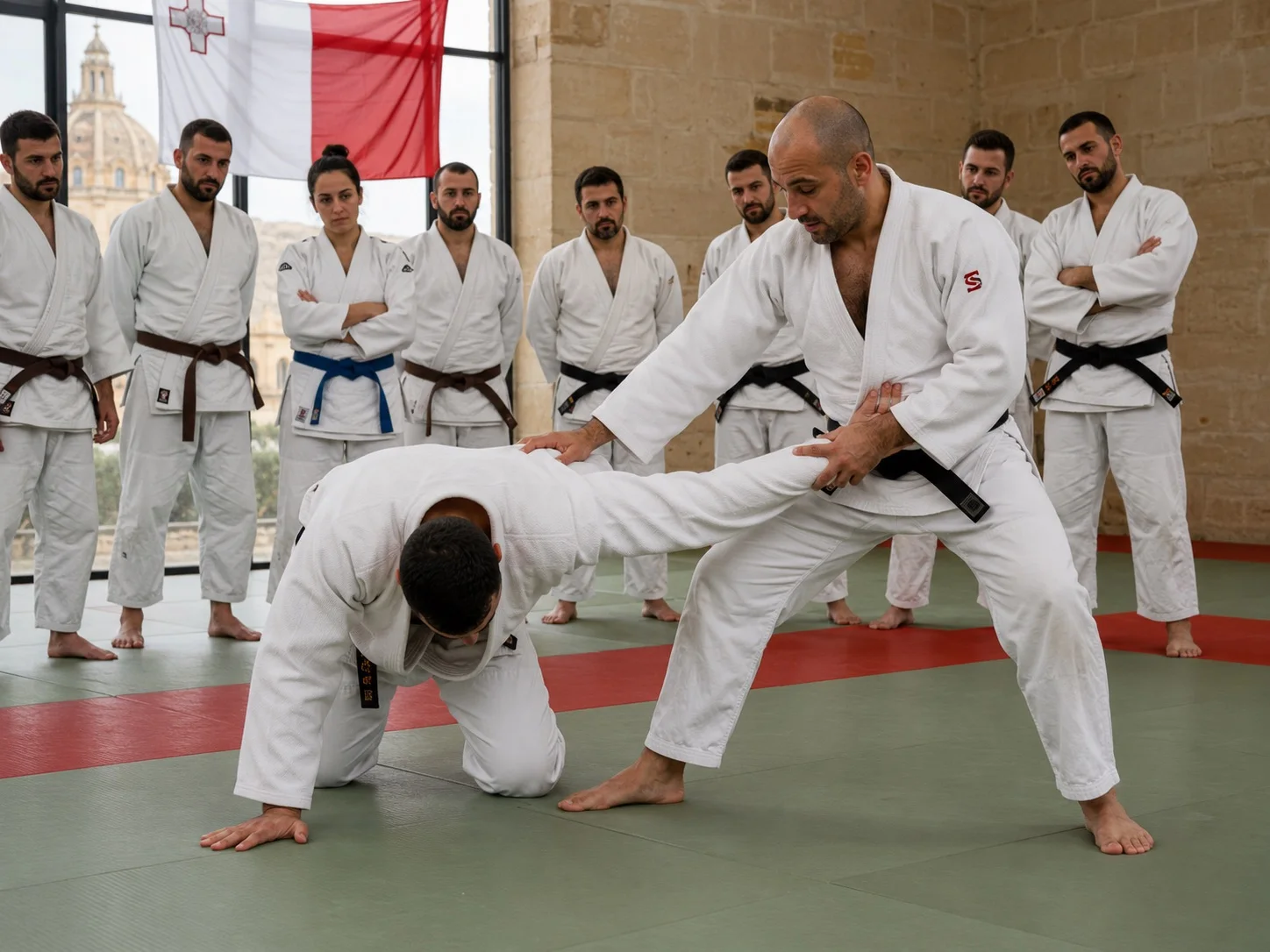
IJF Academy / Judo Education
The IJF Academy Foundation completed its self-defence instructor pilot in Malta with 26 participants from 15 countries and regions, including Hong Kong, China.
Source: International Judo Federation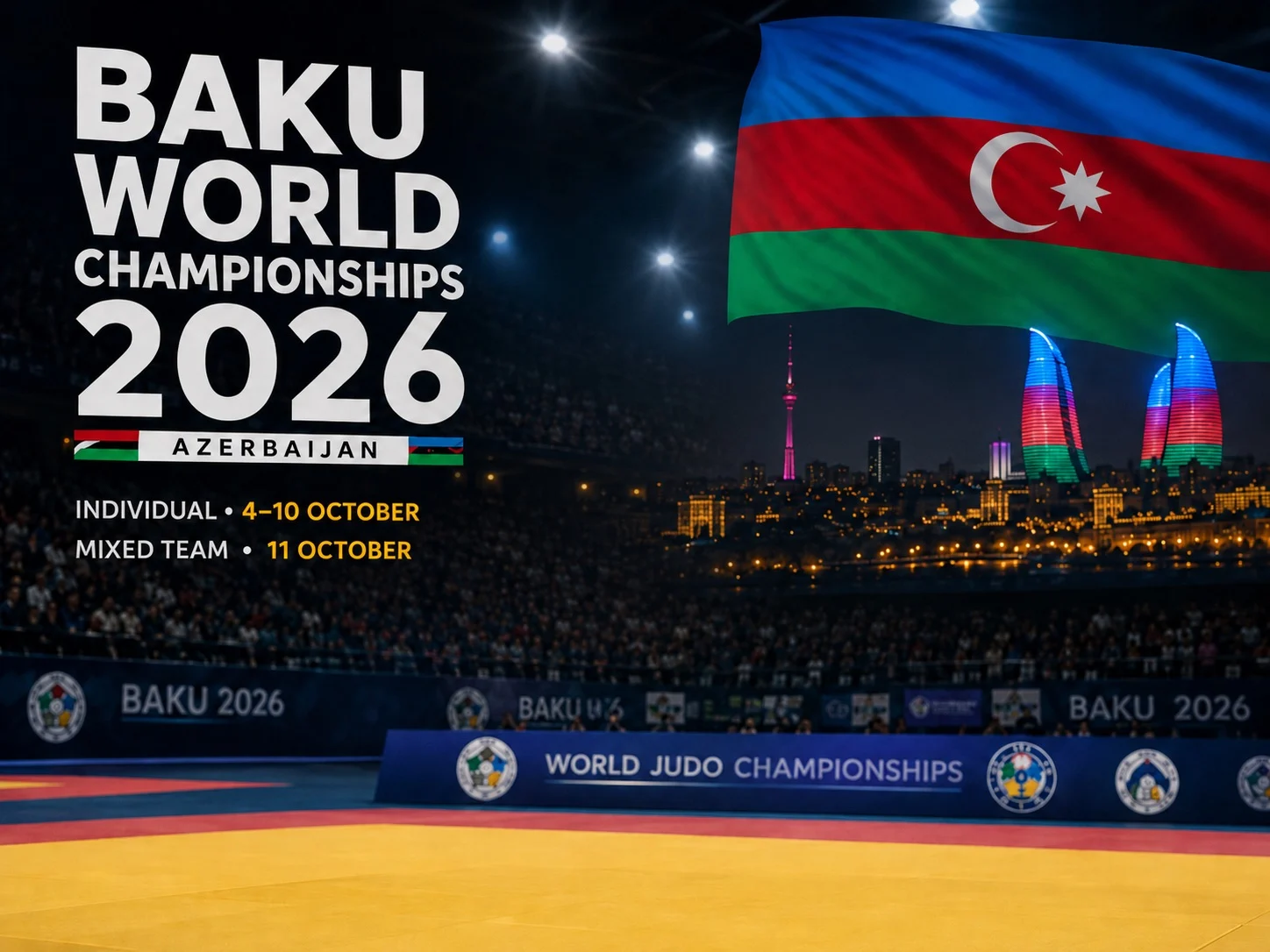
World Judo / World Championships
The 2026 World Judo Championships will take place in Baku from 4 to 11 October, with ticket sales now open.
Source: International Judo Federation and iTicket.AZ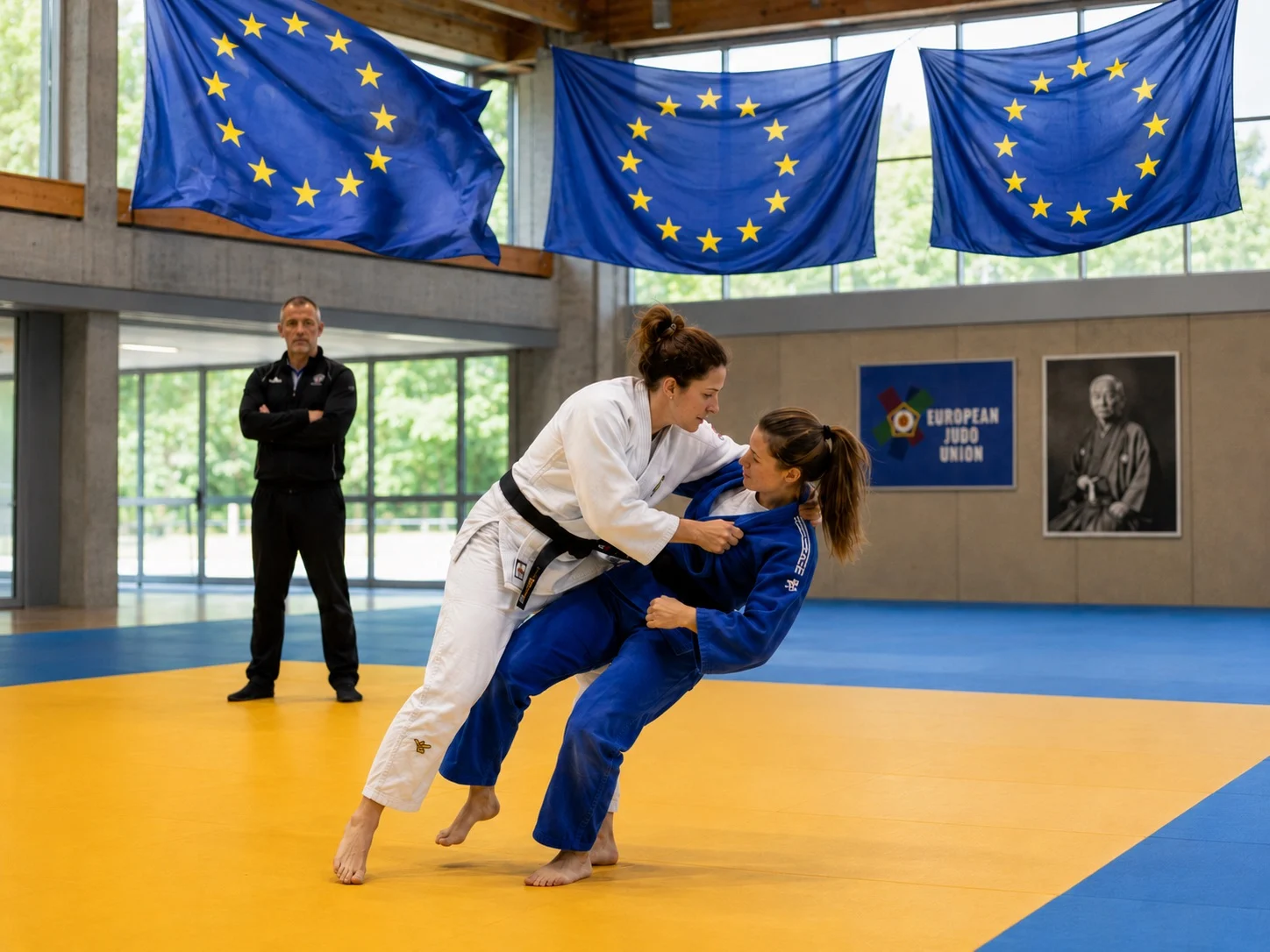
European Judo / Judo Education
The European Judo Union has placed Safe Sport, education, uniformed services championships and IJF Academy self-defence work on its recent agenda.
Source: European Judo Union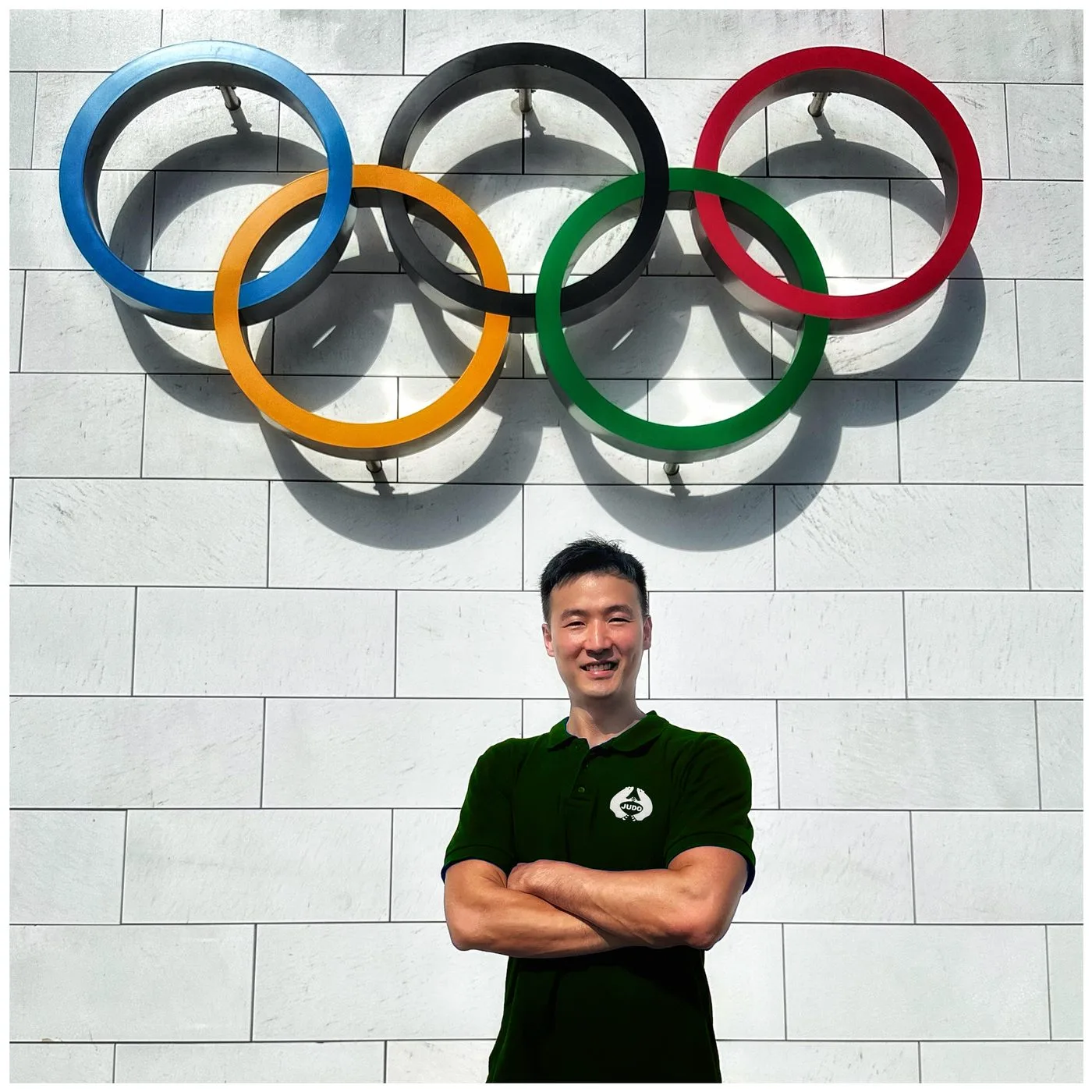
Hong Kong Judo / Kuma Dojo
After ten years of judo, two serious knee injuries and countless setbacks, a Hong Kong judoka reaches another milestone through the world of international judo.
Source:Kuma Dojo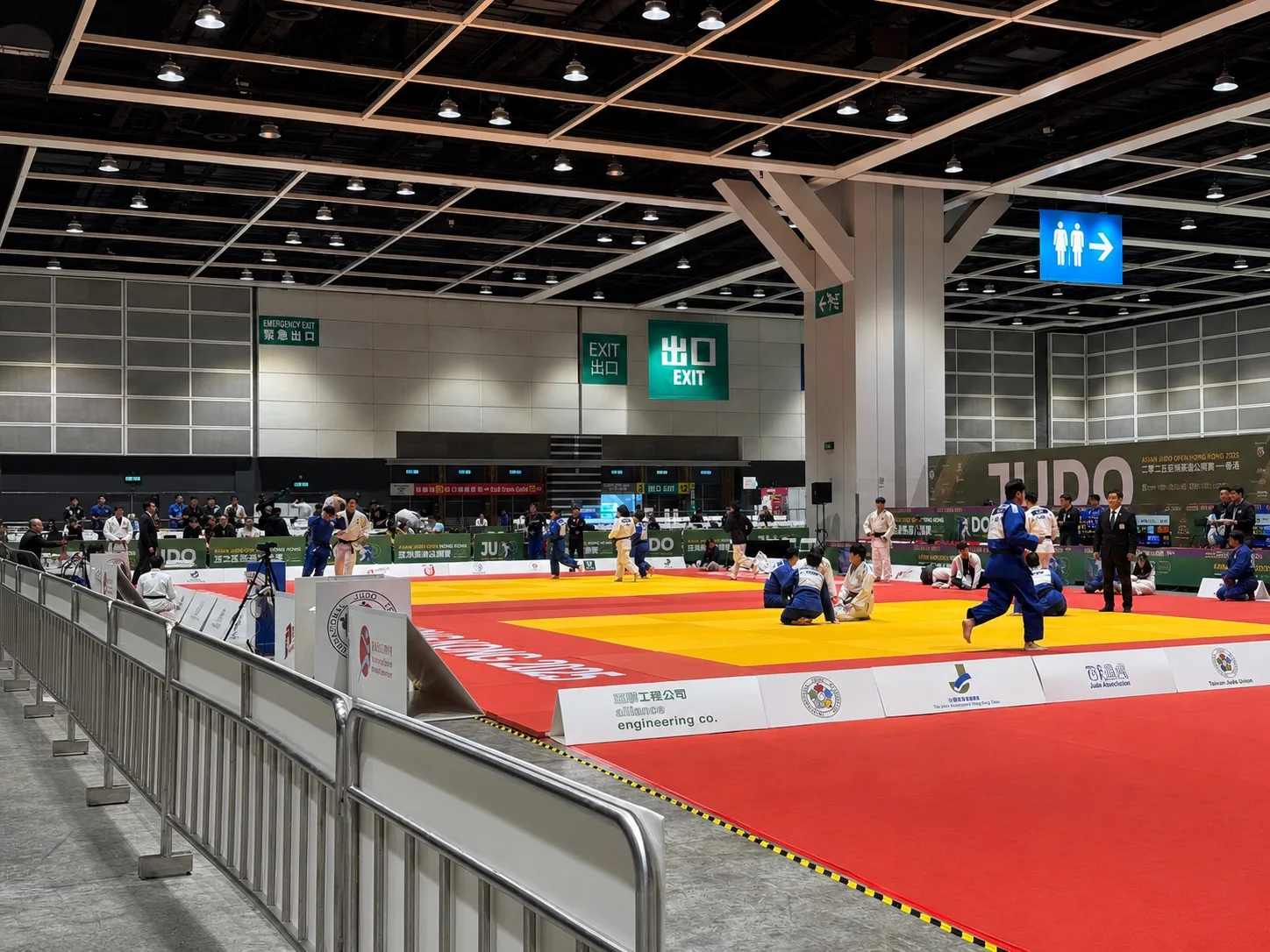
Hong Kong Judo / Local Competition
Hong Kong’s July judo calendar features the team championships on 12 July, followed by Asian cadet and junior events on 18 and 19 July.
Source:The Judo Association of Hong Kong, China and IJF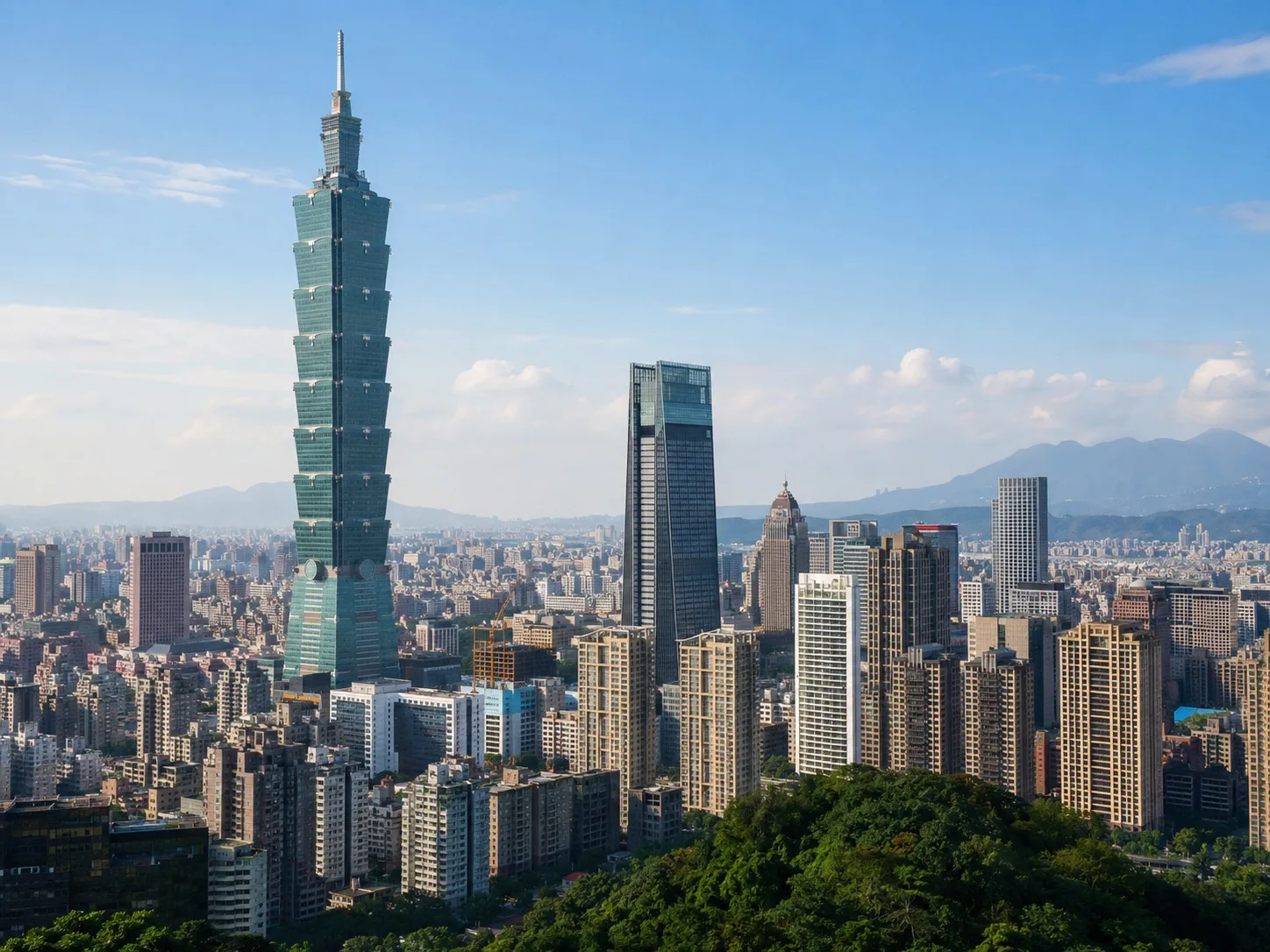
Asian Judo / Senior Competition
The Taipei Asian Open 2026 will take place on 11 and 12 July, with 243 athletes from 23 countries and regions currently listed by the IJF.
Source:International Judo Federation
Asian Judo / Youth Competition
Hong Kong and Macau will host back-to-back Asian youth judo events in July, creating a compact regional competition route.
Source:International Judo Federation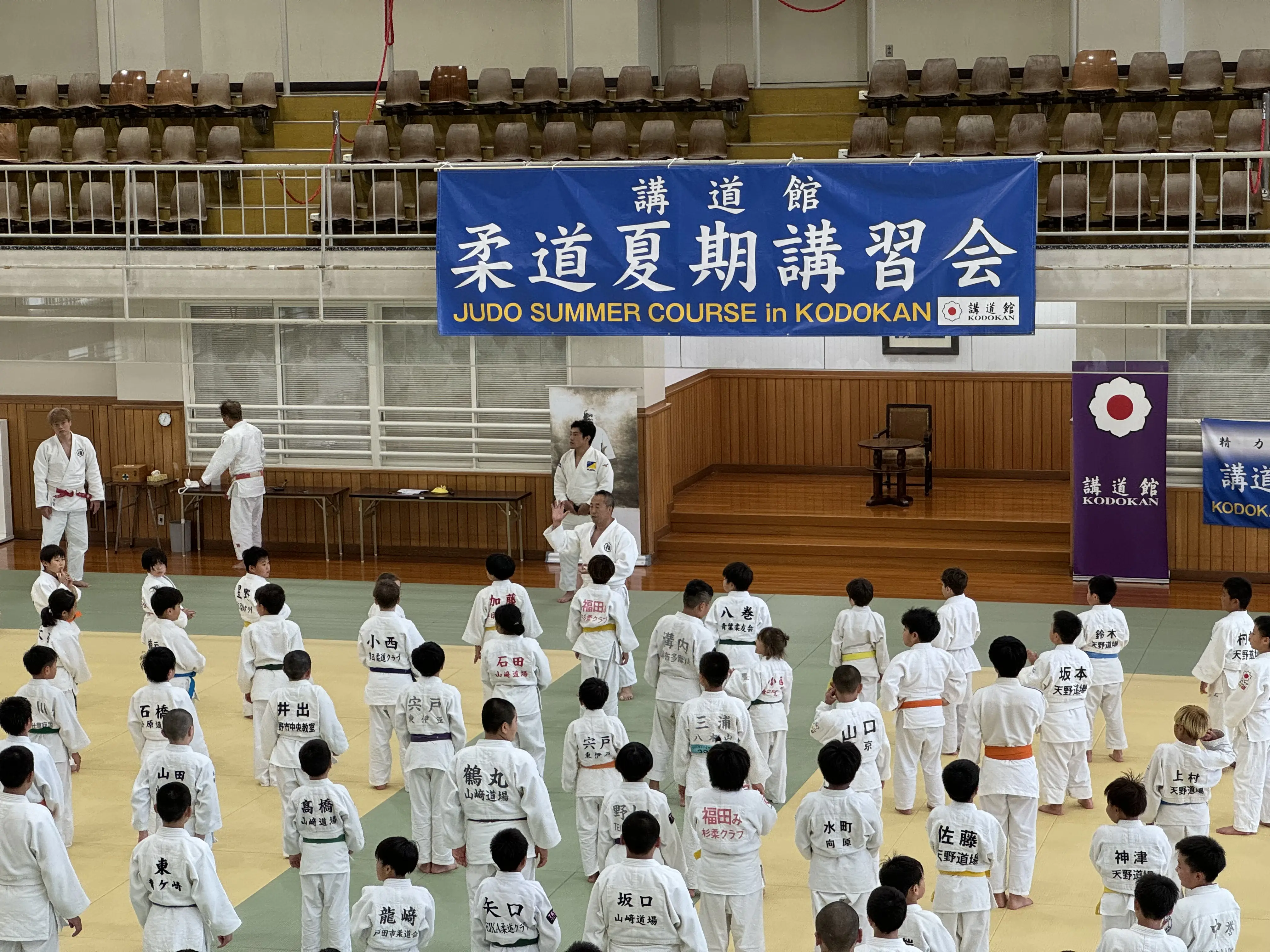
Kodokan Judo / Education
Kodokan’s 2026 summer courses include youth, women’s and instructor courses, showing judo as a structured system of education beyond competition results.
Source:Kodokan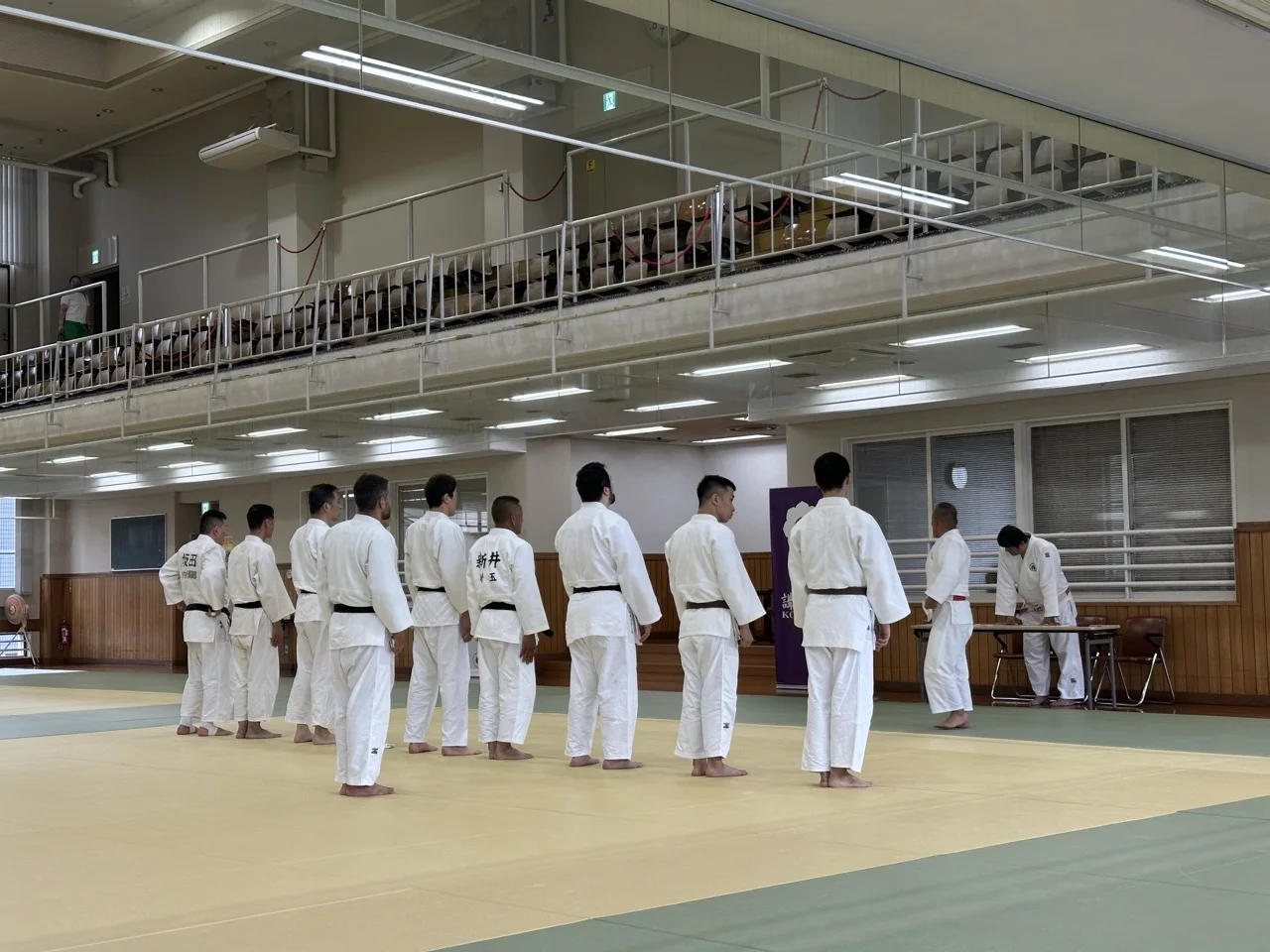
Kodokan Judo / Publishing
The contents cover the high-dan tournament, kata seminars, youth judo and judo history.
Source: Kodokan
Japan Judo / Inclusive Judo
The August event combines competition, exchange practice and athlete classification.
Source: All Japan Judo Federation
British Judo / Refereeing
Lisa Rivers shared evidence about women's routes into officiating, coaching and other professional roles in sport.
Source: IJF and UK Parliament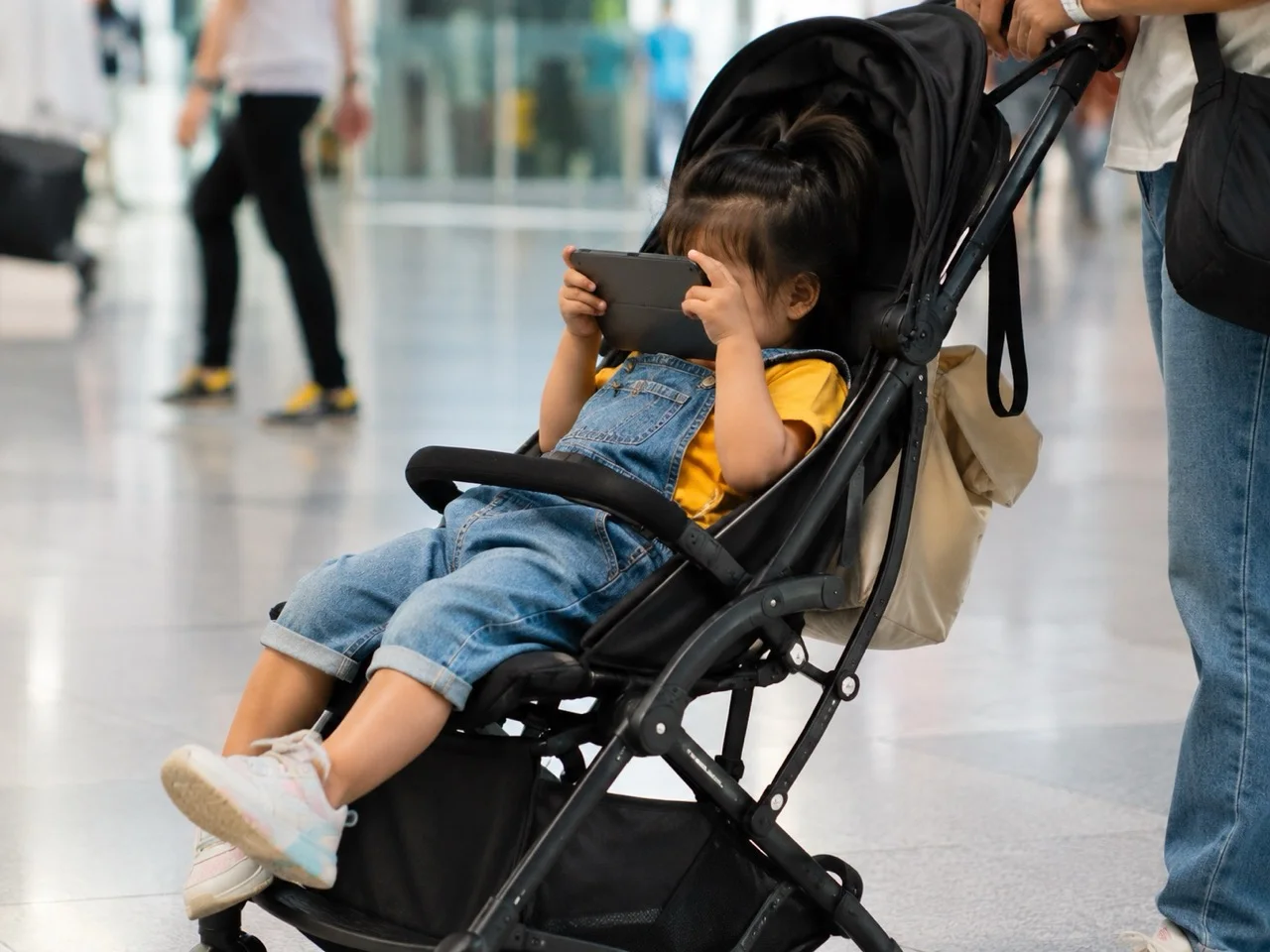
Children's Judo / Digital Life
As low-quality AI videos spread through children's feeds, judo offers real interaction, movement and structured learning.
Source: Business Insider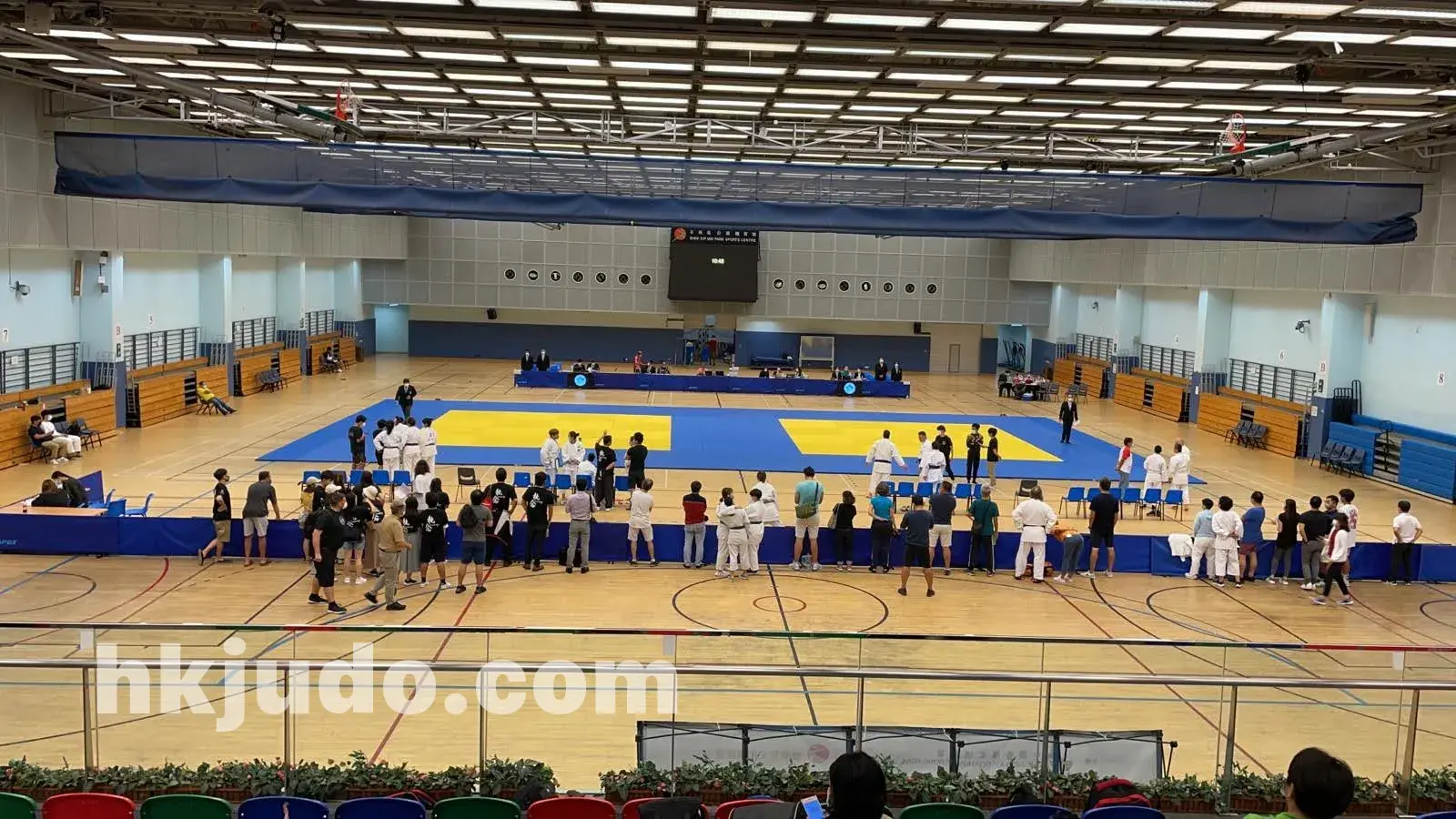
Hong Kong Judo / Local Competition
The non-ranked team event will be held at Shek Kip Mei Park Sports Centre for athletes aged 15 or above.
Source: The Judo Association of Hong Kong, China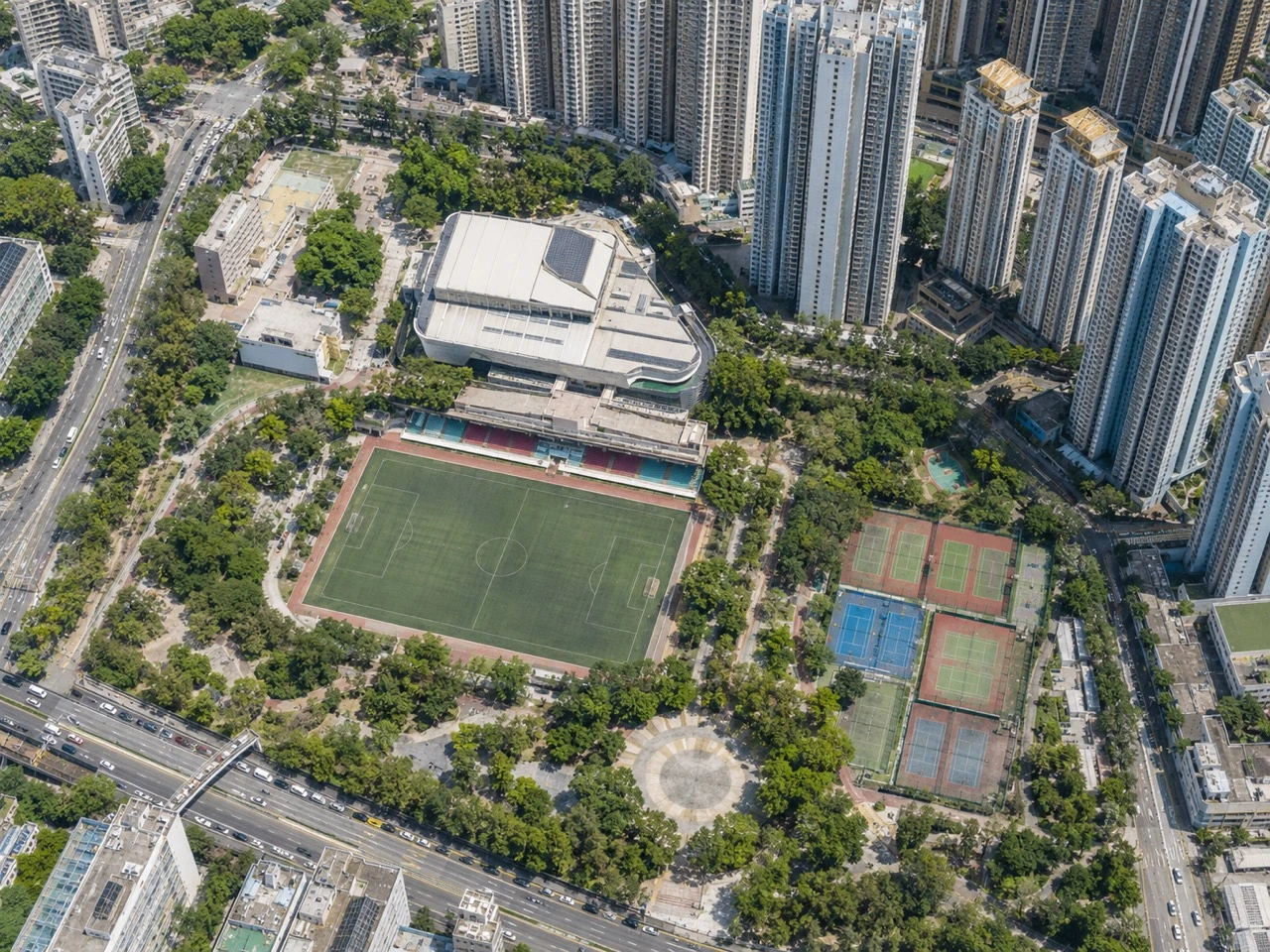
Hong Kong Judo / School Judo
The student championships are listed for 8 November at Shek Kip Mei Park Sports Centre for athletes aged 12 to 18.
Source: The Judo Association of Hong Kong, China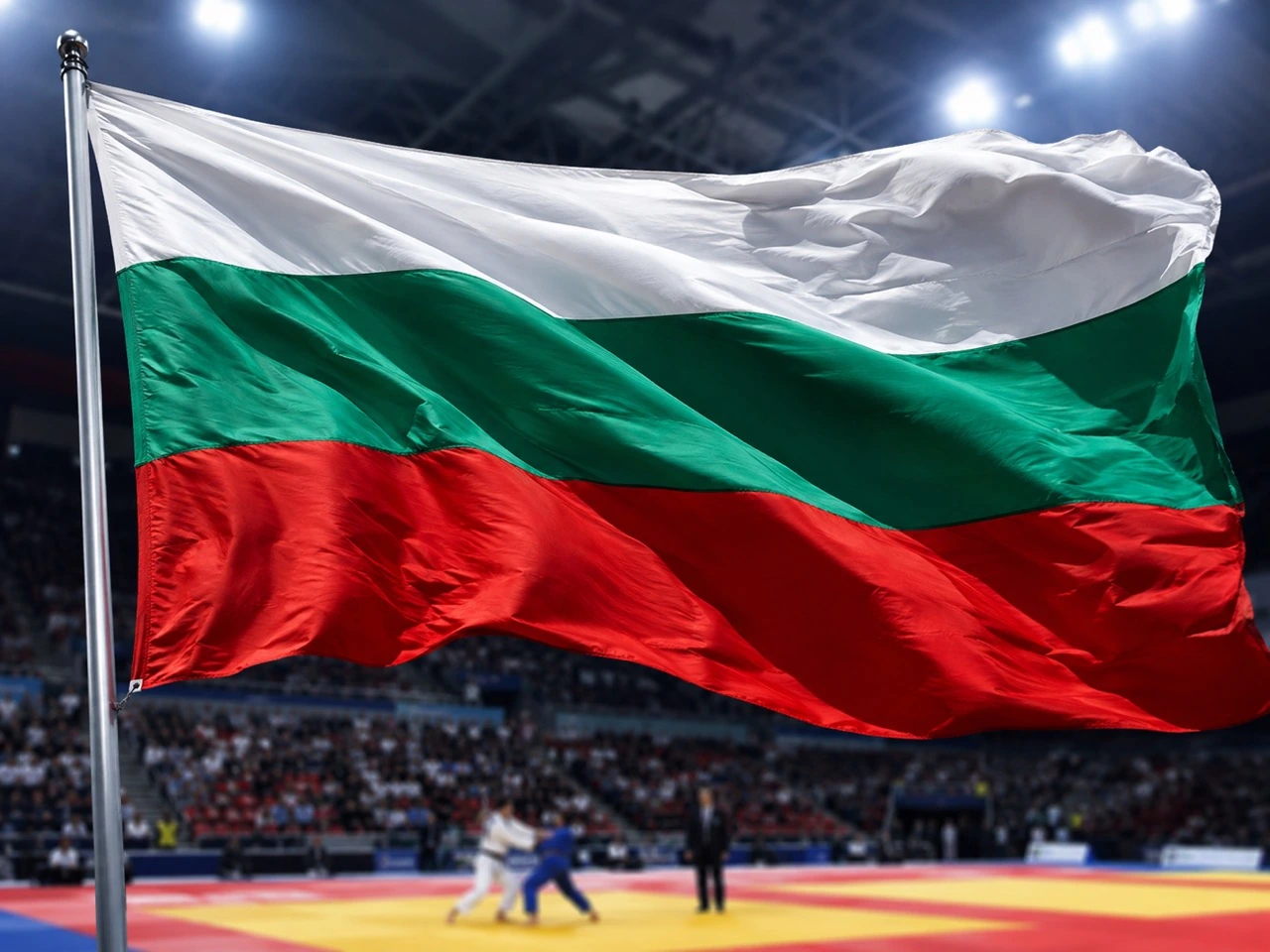
World Judo / Youth Judo
Bulgaria placed third in a 43-nation, 425-athlete individual competition with two gold and two bronze medals.
Source: IJF and European Judo Union
Japan Judo / Junior Judo
The AJJF has announced a seven-athlete women's squad for the Prague Junior International Tournament on 4 and 5 July.
Source: All Japan Judo Federation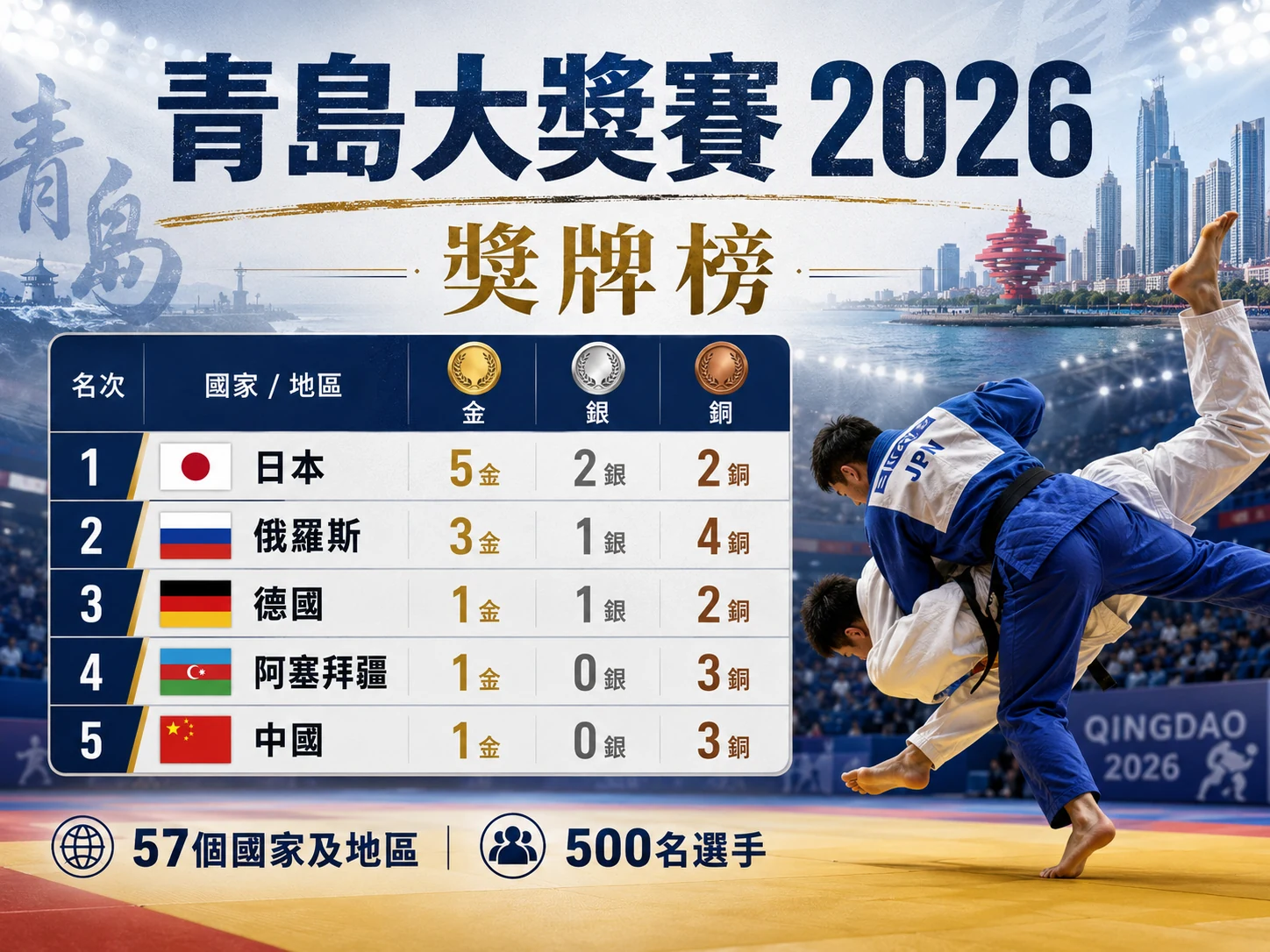
IJF World Judo Tour
Japan finished first with five gold, two silver and two bronze medals, while host China won one gold and three bronzes among 500 athletes from 57 nations.
Source: IJF Qingdao Grand Prix standings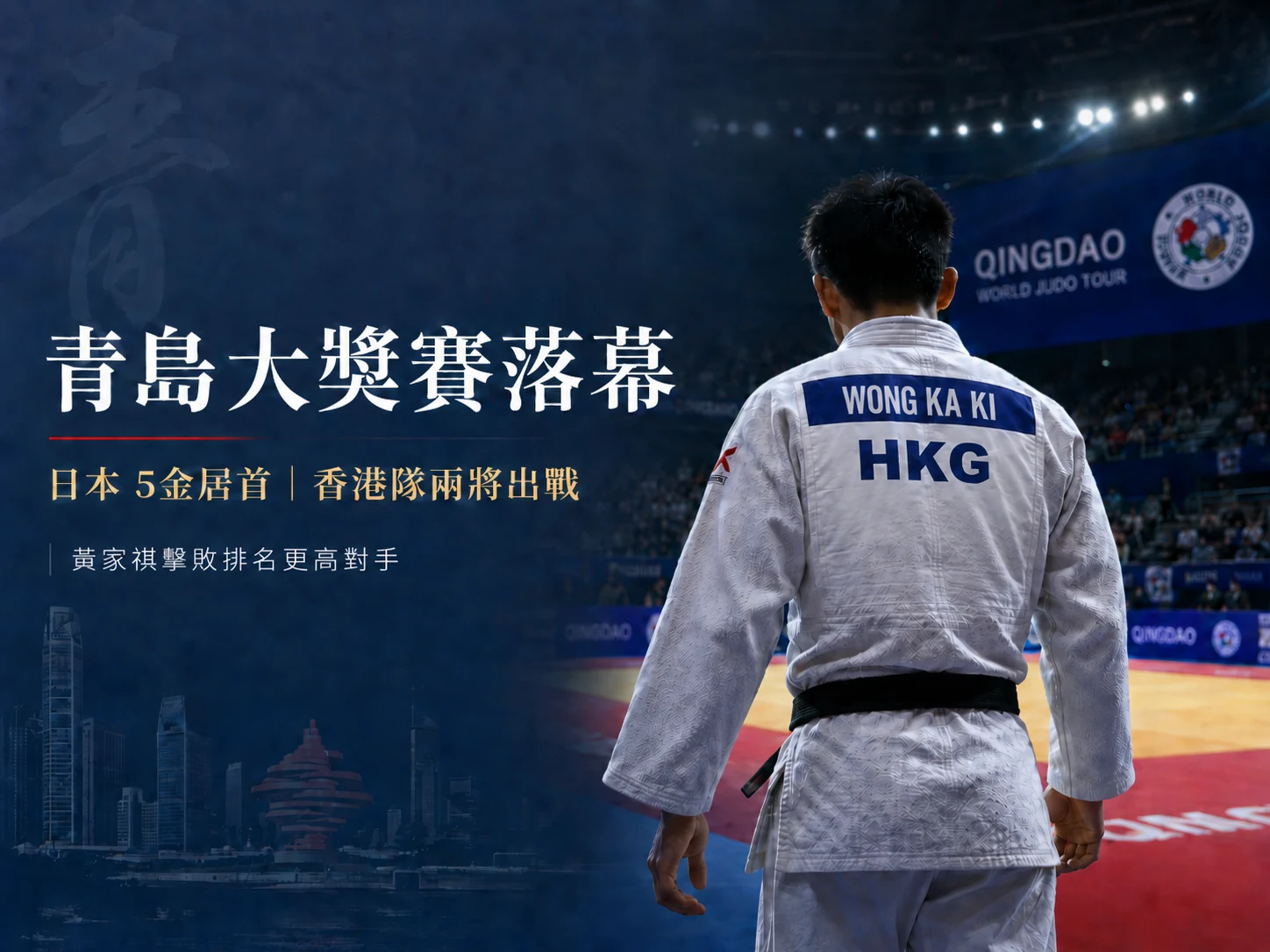
Hong Kong Judo
Wong Ka Ki defeated world No.12 Luukas Saha in the men's -66kg opening round, while Lee Kwok Wing completed his -81kg campaign.
Source: IJF Qingdao Grand Prix official results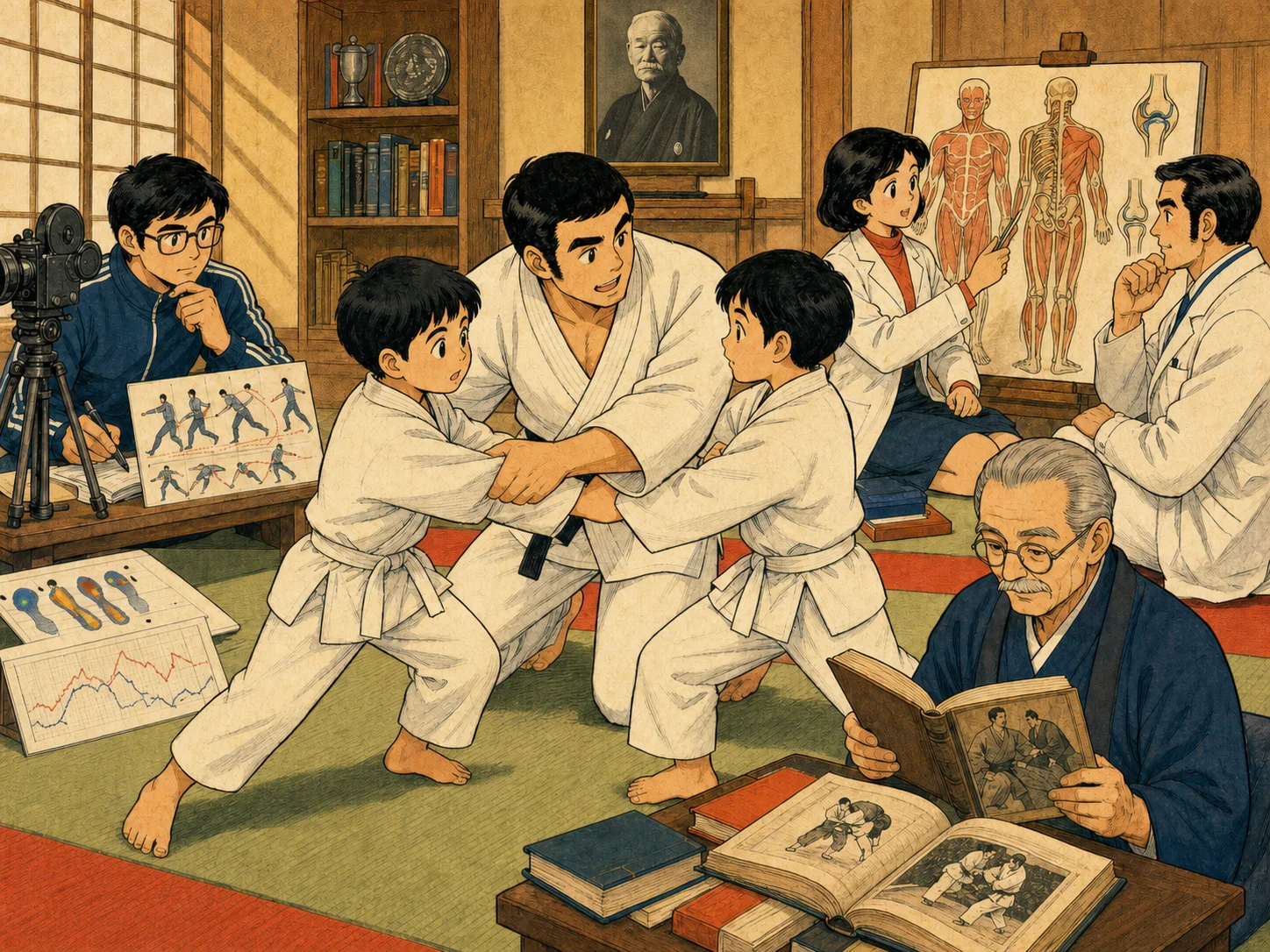
IJF Education / Judo Research
The latest IJF Academy research journal covers child development, sport science, choking safety, kata, Kosen judo and the use of ukemi to reduce fall-related injuries among older adults. Hong Kong Judo explains the key ideas in plain language.
Source: IJF Academy; Hong Kong Judo research guide Read the research guide
Hong Kong Judo
Hong Kong’s next local international judo focus is Asian Cup Cadets & Junior Hong Kong 2026, scheduled for 18-19 July at Ma On Shan Sports Centre.
Source: Leisure and Cultural Services Department major events listing
Australia
Australian judoka Aoife COUGHLAN has reached No.1 in the IJF Senior Women -70kg World Ranking, marking an important milestone for Australian judo on the international stage.
Source: IJF World Ranking List, IJF Athlete Profile, Australian Olympic Committee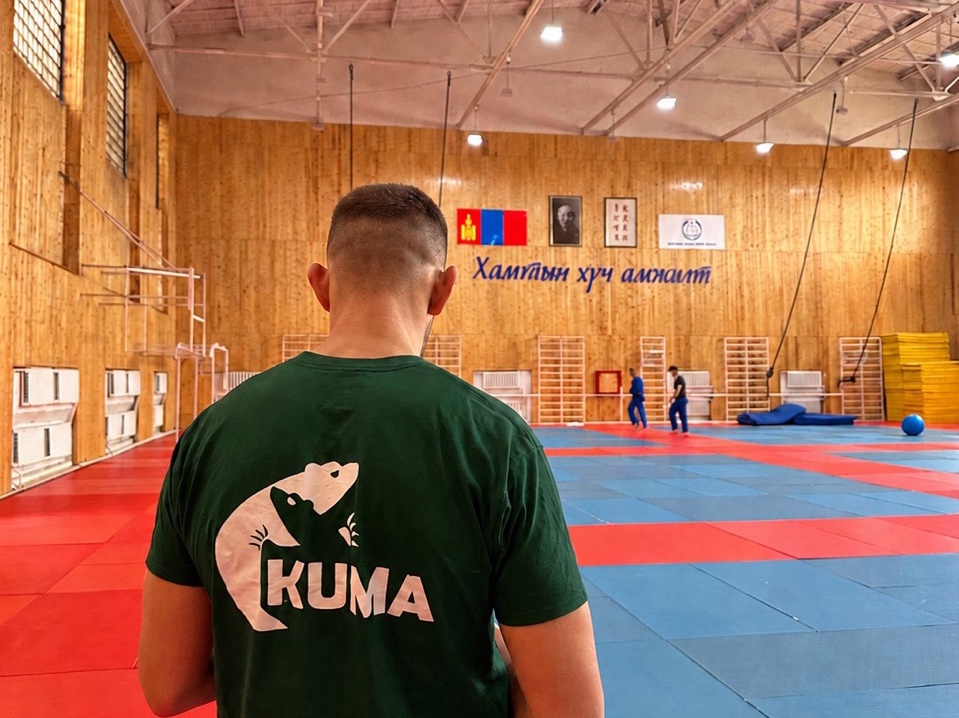
World Judo Tour
The Qingdao Grand Prix opens on 26 June. Hong Kong judo fans planning to attend should check flights, the venue location and official ticketing channels before travelling.
Source: Provided by hkjudo.com
China / Hong Kong
The next IJF World Tour stop is the Qingdao Grand Prix, with Hong Kong athletes, Japan’s line-up and China’s home-team names among the main points to watch.
Source: IJF Qingdao Grand Prix official data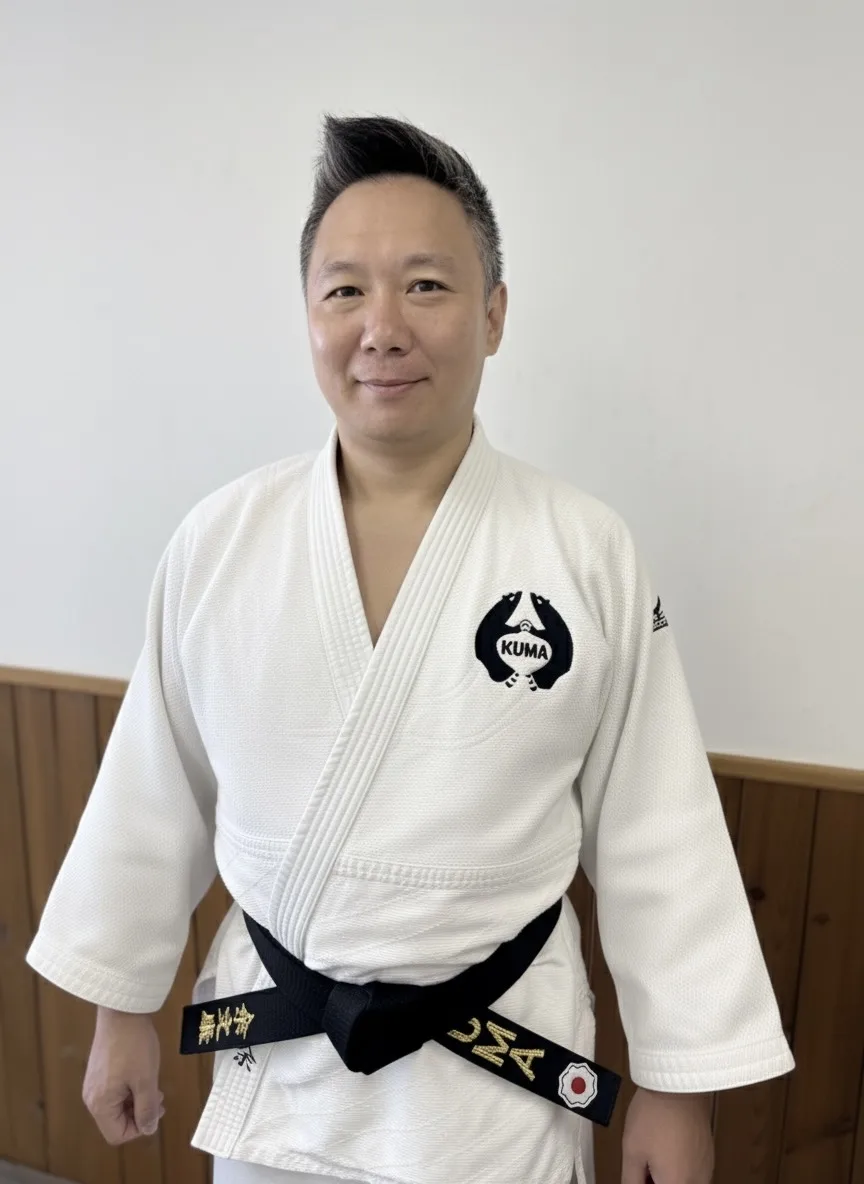
Hong Kong Judo
A Kuma Dojo adult judoka began judo at 41, trained every week for seven years, and reached first-dan black belt with the support of family, coach and dojo teammates.
Source: Kuma Dojo official website
Japan
Uta Abe claimed her 12th Grand Slam title in 14 appearances in Ulaanbaatar, a rare record in women’s judo highlighted by the IJF.
Source: International Judo Federation
Korea
Korea’s Kim Minjong defeated leading heavyweight opponents in Ulaanbaatar to claim his first Grand Slam gold in the men’s +100kg category.
Source: International Judo Federation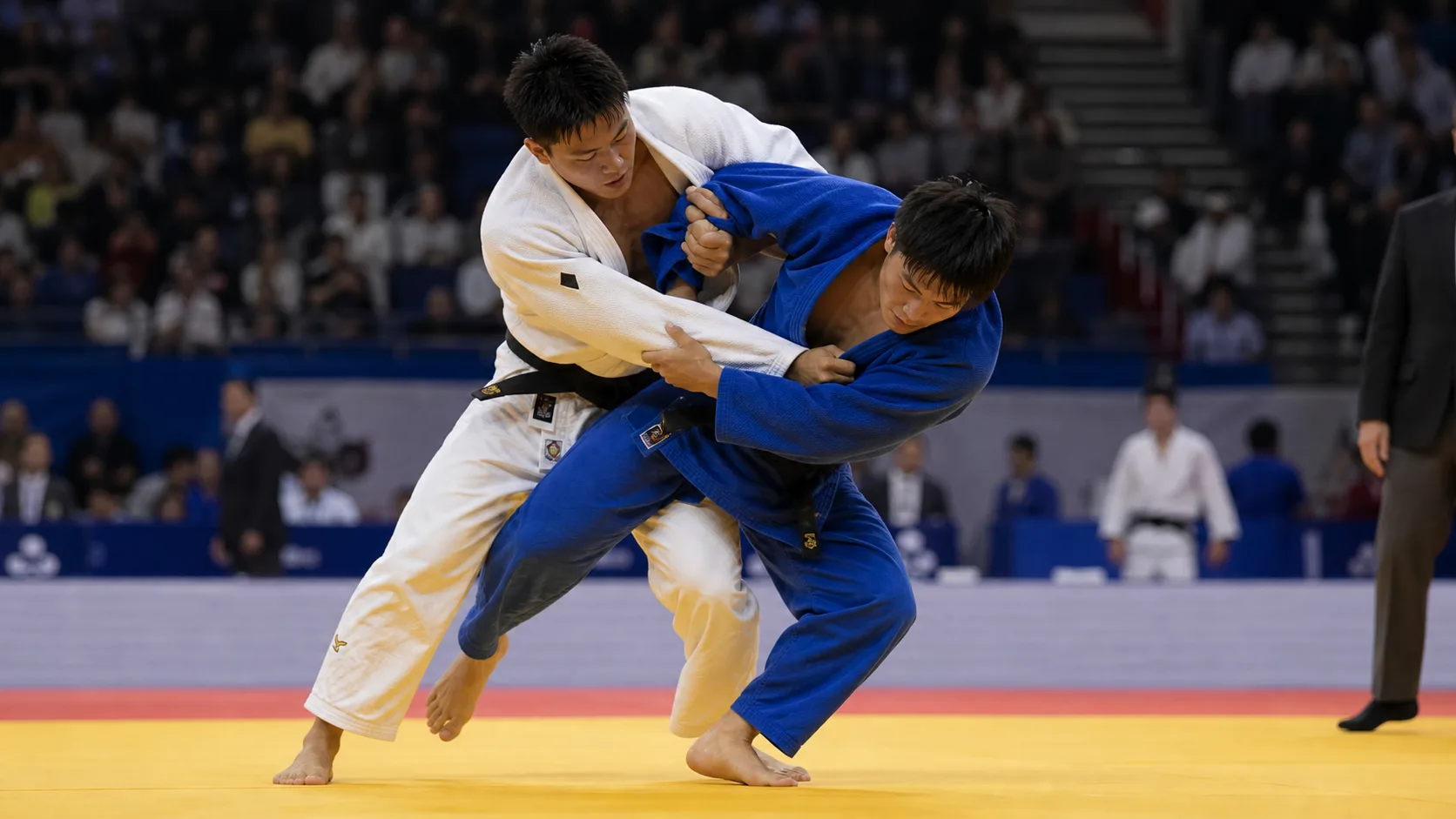
IJF
The 2026 IJF Ulaanbaatar Grand Slam reached its final day on 21 June, with men's -90kg, -100kg and +100kg, plus women's -78kg and +78kg in action. IJF reporting highlighted Sanshiro Murao's controlled performance in the -90kg category as he claimed the men's -90kg gold medal.
Source: International Judo Federation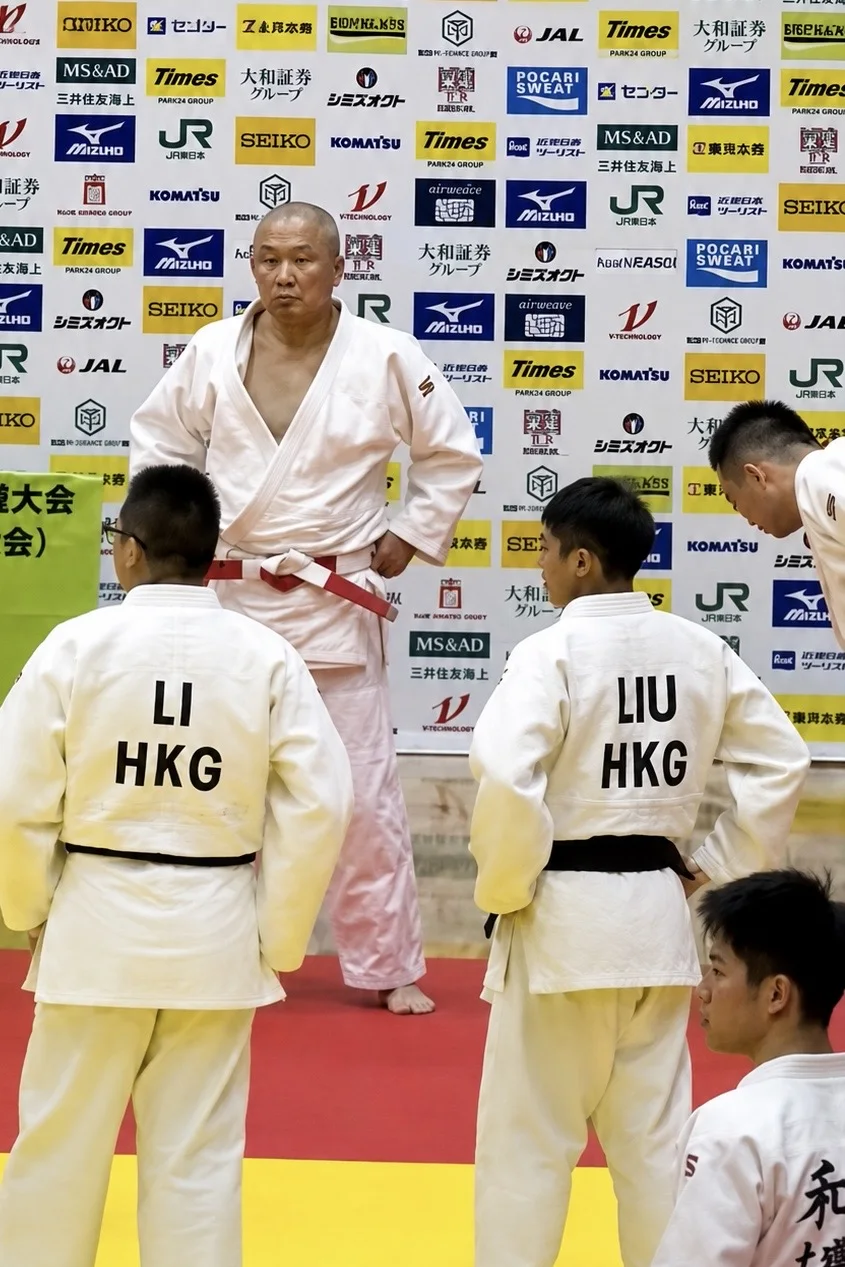
Japan
The 2026 Japan Masters Judo Tournament brought together judoka of different age groups for continued training, exchange and lifelong judo practice.
Source: All Japan Judo Federation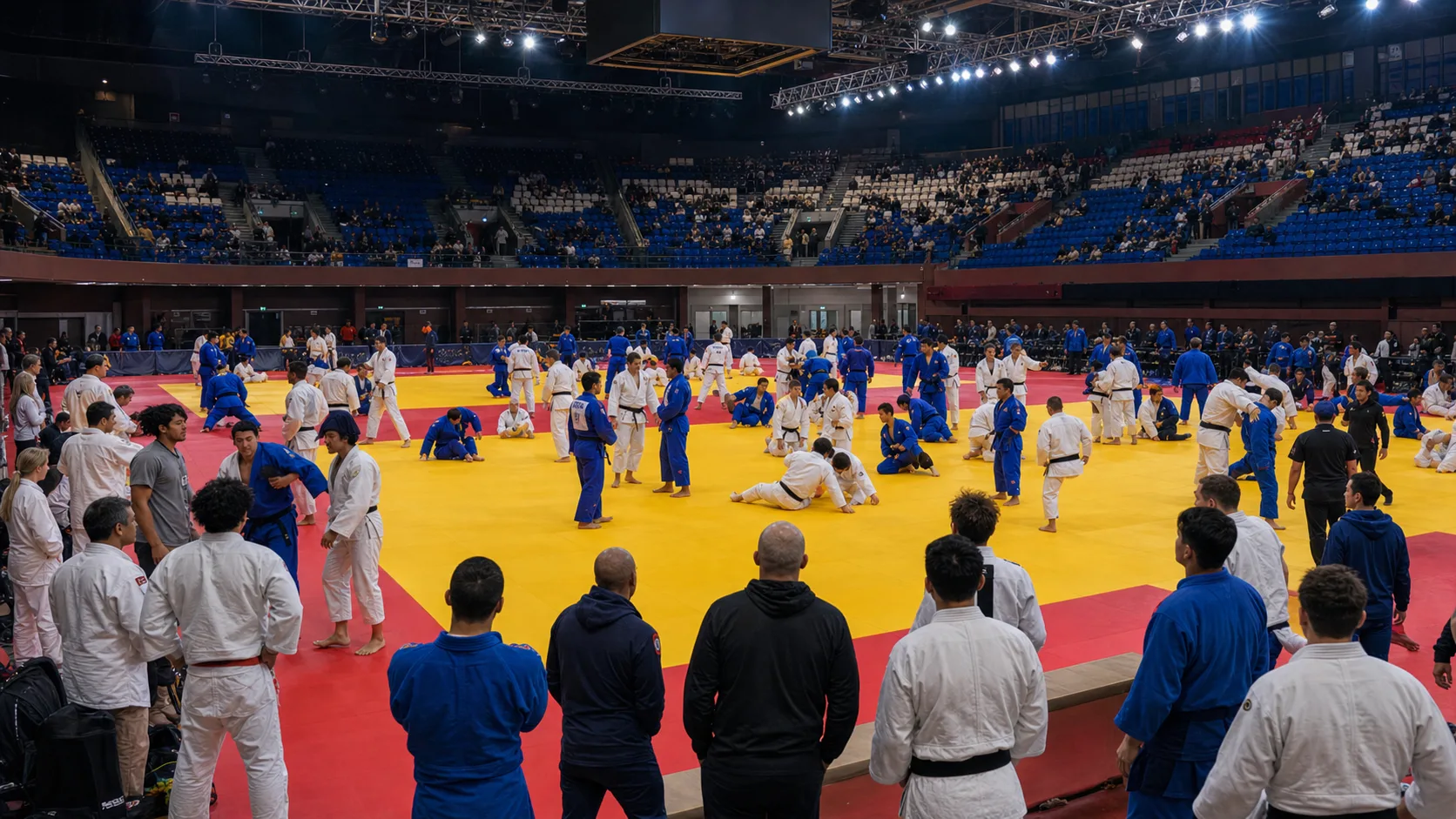
World Judo
As an early marker in the Los Angeles 2028 qualification cycle, the Ulaanbaatar Grand Slam brought together around 240 athletes from 28 countries and regions. For Hong Kong readers, the event offers a useful window into Japan's team rotation, Asian depth and the new Olympic cycle.
Source: International Judo Federation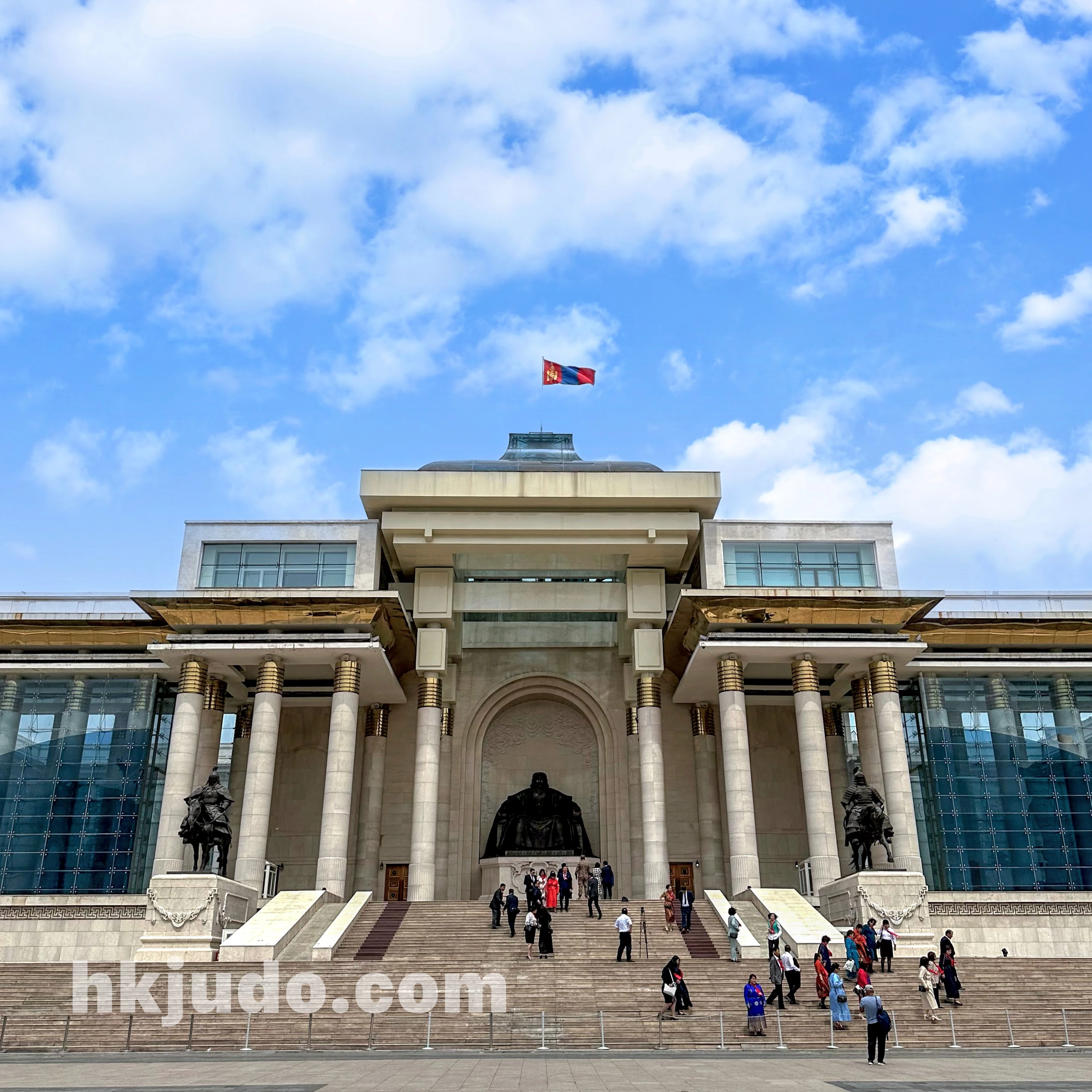
IJF
The 2026 Ulaanbaatar Grand Slam is now into its second day in Mongolia, with the race for LA 2028 Olympic qualification already underway. After a dramatic opening day led by four Japanese gold medals and Balabay Aghayev's -60kg victory, today's -73kg, -81kg, -63kg and -70kg contests are set to raise the intensity even further.
Source: International Judo Federation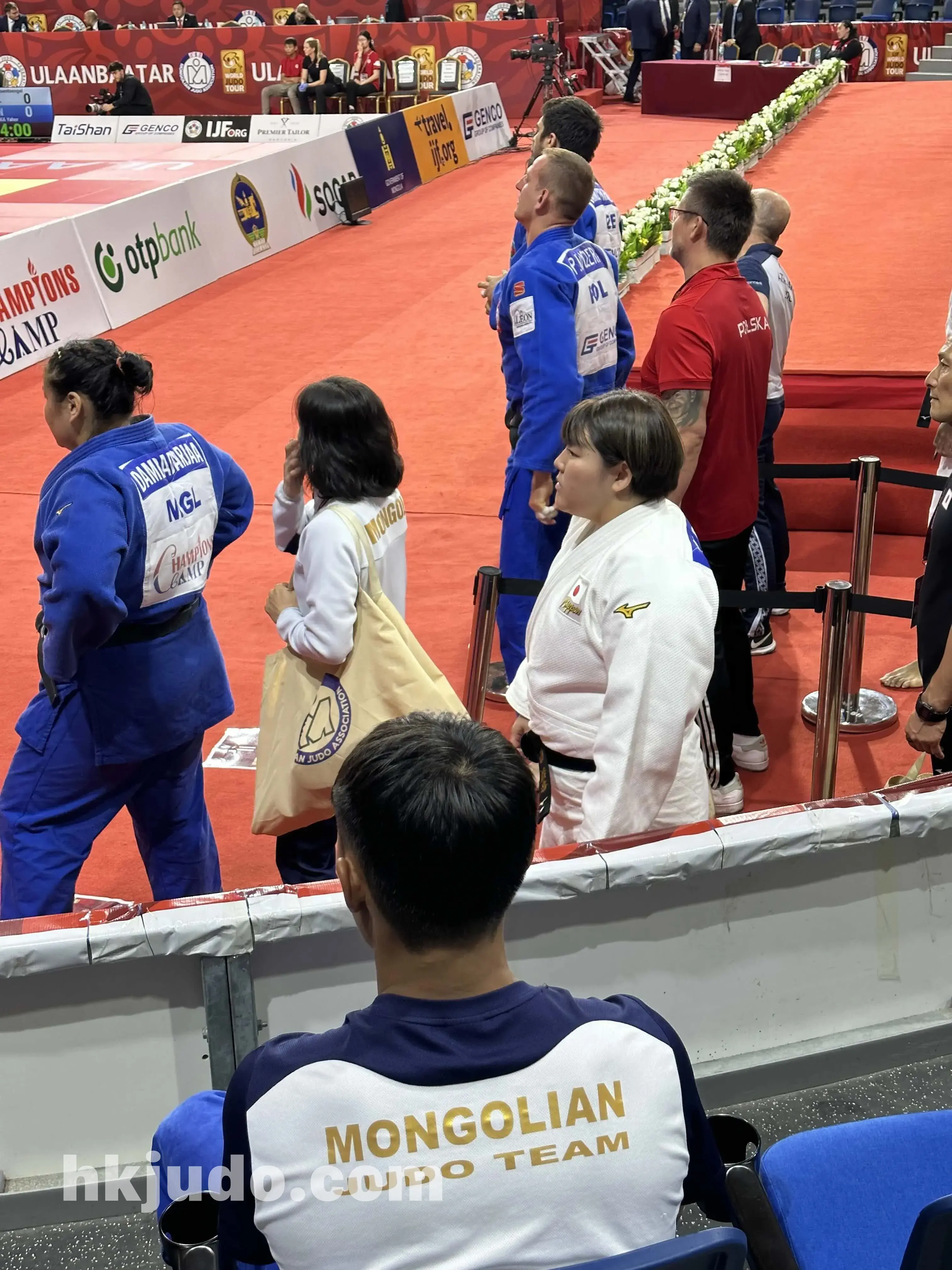
Japan
The All Japan Judo Federation released the official page for the 2026 IJF Grand Slam Ulaanbaatar on 18 June; the tournament runs 19–21 June in Ulaanbaatar, Mongolia. Japan is sending a 23-member delegation (9 staff + 14 athletes), with Keiji Suzuki and Maki Tsukada serving as the men's and women's team managers respectively. The event counts toward 2028 Los Angeles Olympic qualification.
Source: All Japan Judo Federation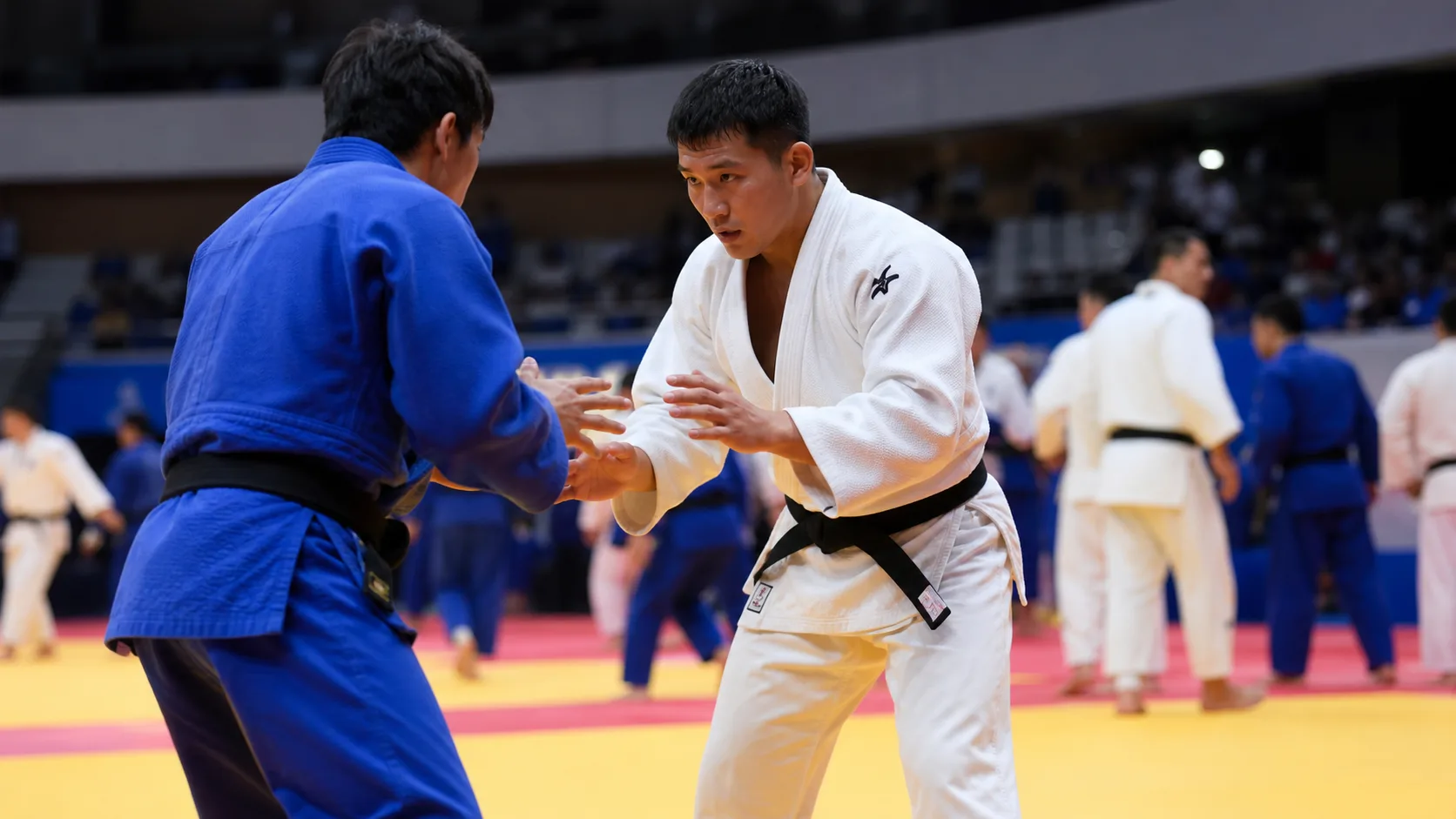
IJF
The IJF has confirmed that the 2026 Ulaanbaatar Grand Slam (19–21 June) opens the qualification window for the Los Angeles 2028 Olympic Games.
Source: International Judo Federation
Japan
The All Japan Judo Federation has launched the official event page for the 2026 World Judo Championships in Baku, scheduled for 4 October (Sunday) to 11 October (Sunday) in Baku, Azerbaijan. The event is the highest-level competition within the LA 2028 Olympic qualification cycle and is expected to draw more than 80 countries and regions.
Source: All Japan Judo Federation
IJF
The International Judo Federation has confirmed that Georgia will host the 2029 World Judo Championships. With Georgia's deep judo culture, strong national team and passionate audience, the announcement is an important signal for the sport's global map.
Source: International Judo Federation
Japan
The All Japan Judo Federation has released the schedule for the 2026 All Japan Student Judo Championships by Weight Category, set for 26–27 September at the Nippon Budokan. The event follows the IJF weight category system and is the highest-level student competition of the year.
Source: All Japan Judo Federation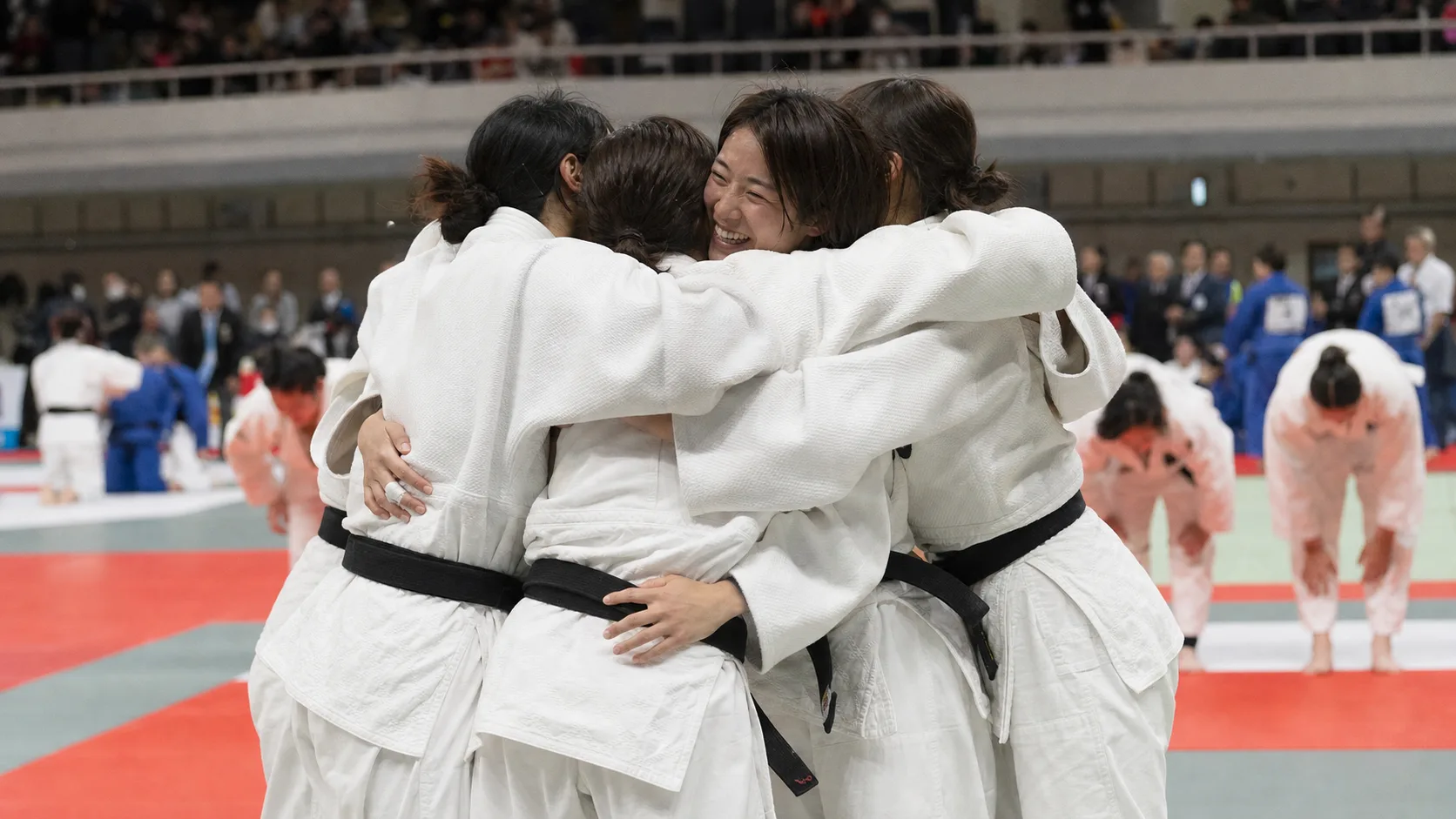
Japan
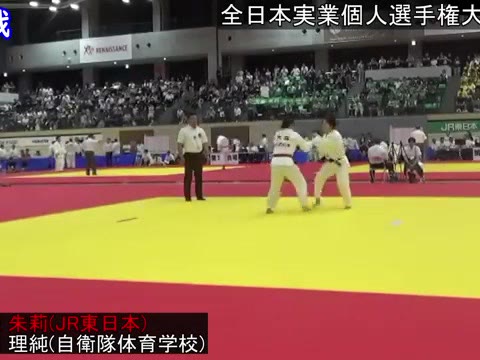
The All Japan Corporate Judo Federation announced the women's division 2 result of the 76th All Japan Corporate Judo Team Championships: Park 24 reclaimed the title for the first time since 2024. The competition was held over 13–14 June at Nobeoka Arena in Miyazaki Prefecture, with three men's divisions and two women's divisions contested in parallel using a three-person team relay format.
Source: eJudo (Yahoo! Japan News reporting)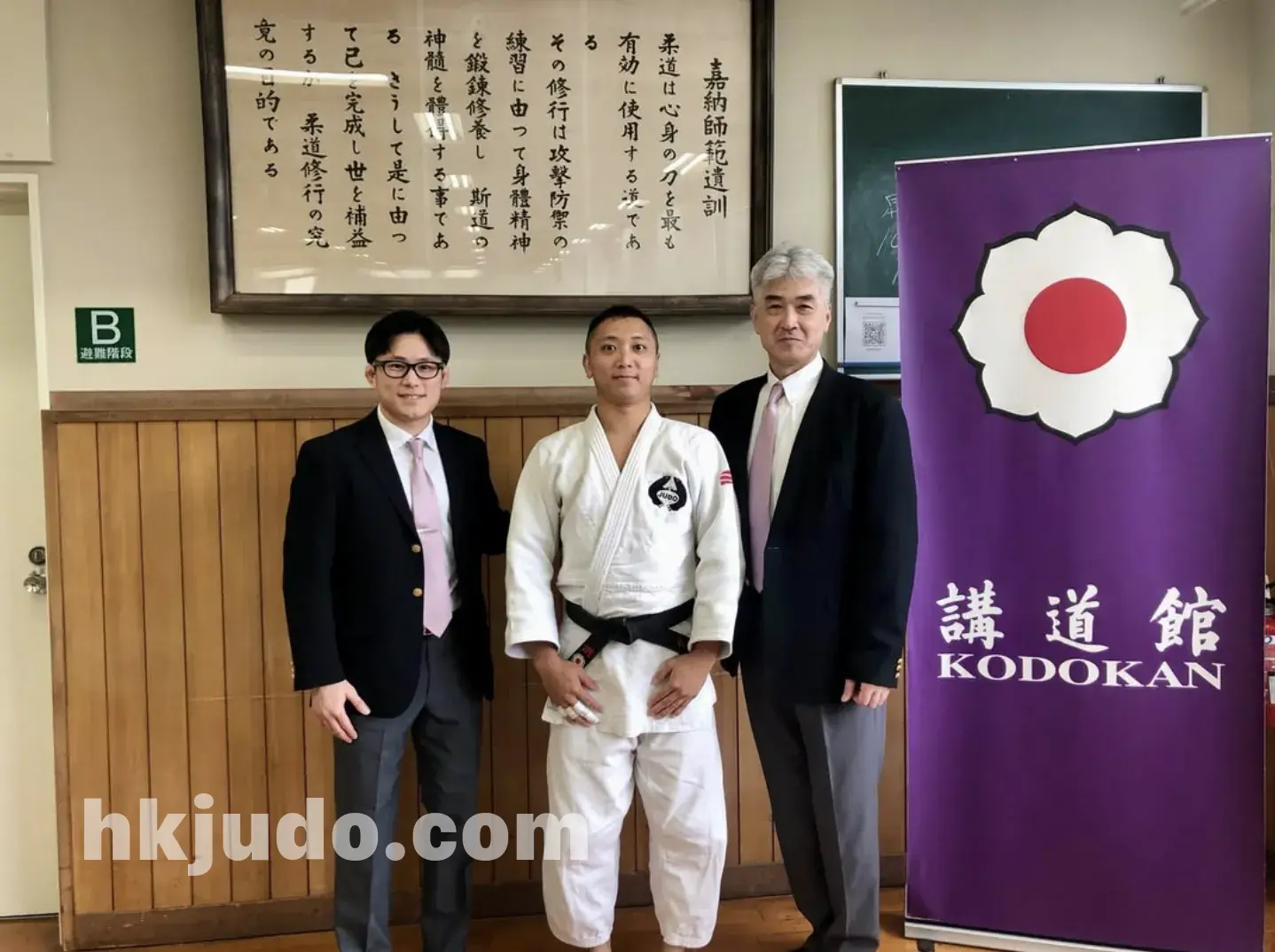
Hong Kong Judo
Two Hong Kong judoka from Kuma Dojo achieved consecutive victories at the Kodokan Spring Kohaku Shiai in Tokyo, marking a meaningful step for Hong Kong judo on the Kodokan stage.
Source: Kuma Dojo official website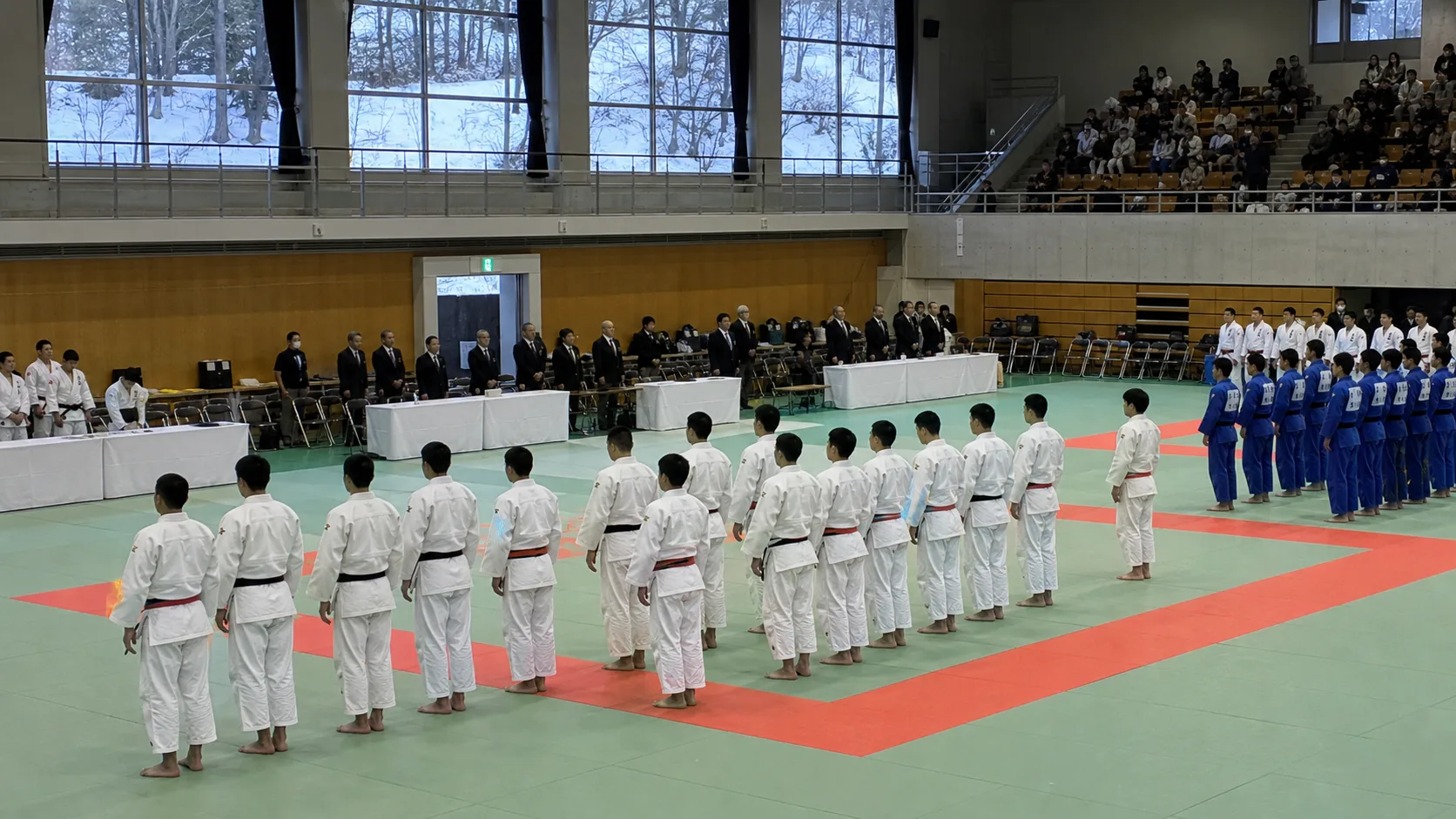
Japan
The All Japan Judo Federation has published details of the judo events at the 80th National Sports Festival (Kokutai). The competition is scheduled for 17–19 October in Aomori Prefecture. This edition is the first after the renaming of the national sports festival, and uses the IJF weight category system combined with team events.
Source: All Japan Judo Federation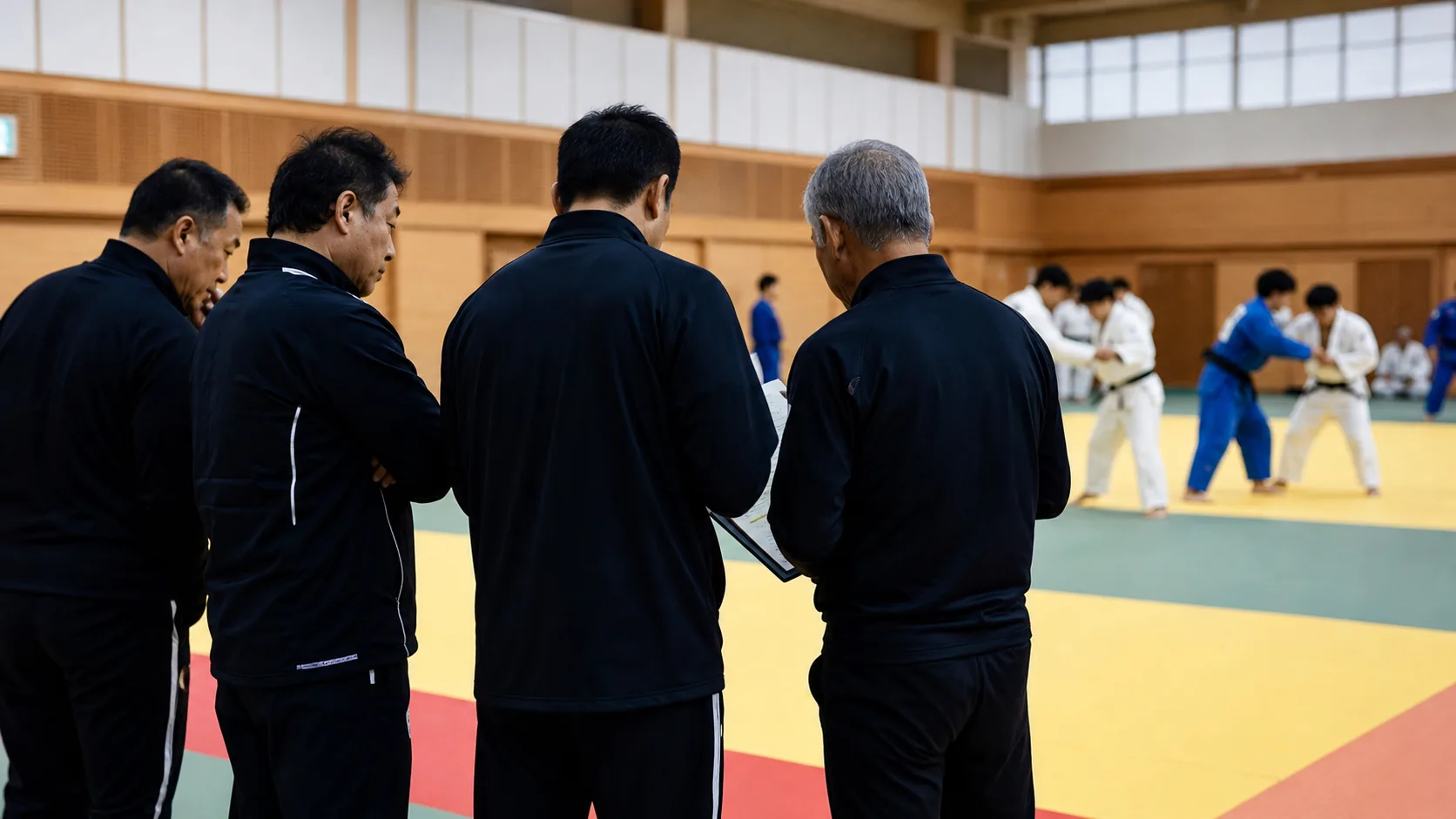
Japan
The All Japan Judo Federation on 15 June announced the 2026 High Performance Directorate coaching line-up, with former World Champion Ryuji Sonoda appointed head coach of the men's team and former Olympic gold medalist Hideto Yoshida appointed head coach of the women's team. The new coaching staff will serve from April 2026 to March 2028, coordinating Japan's preparation for the Los Angeles 2028 Olympic Games.
Source: All Japan Judo Federation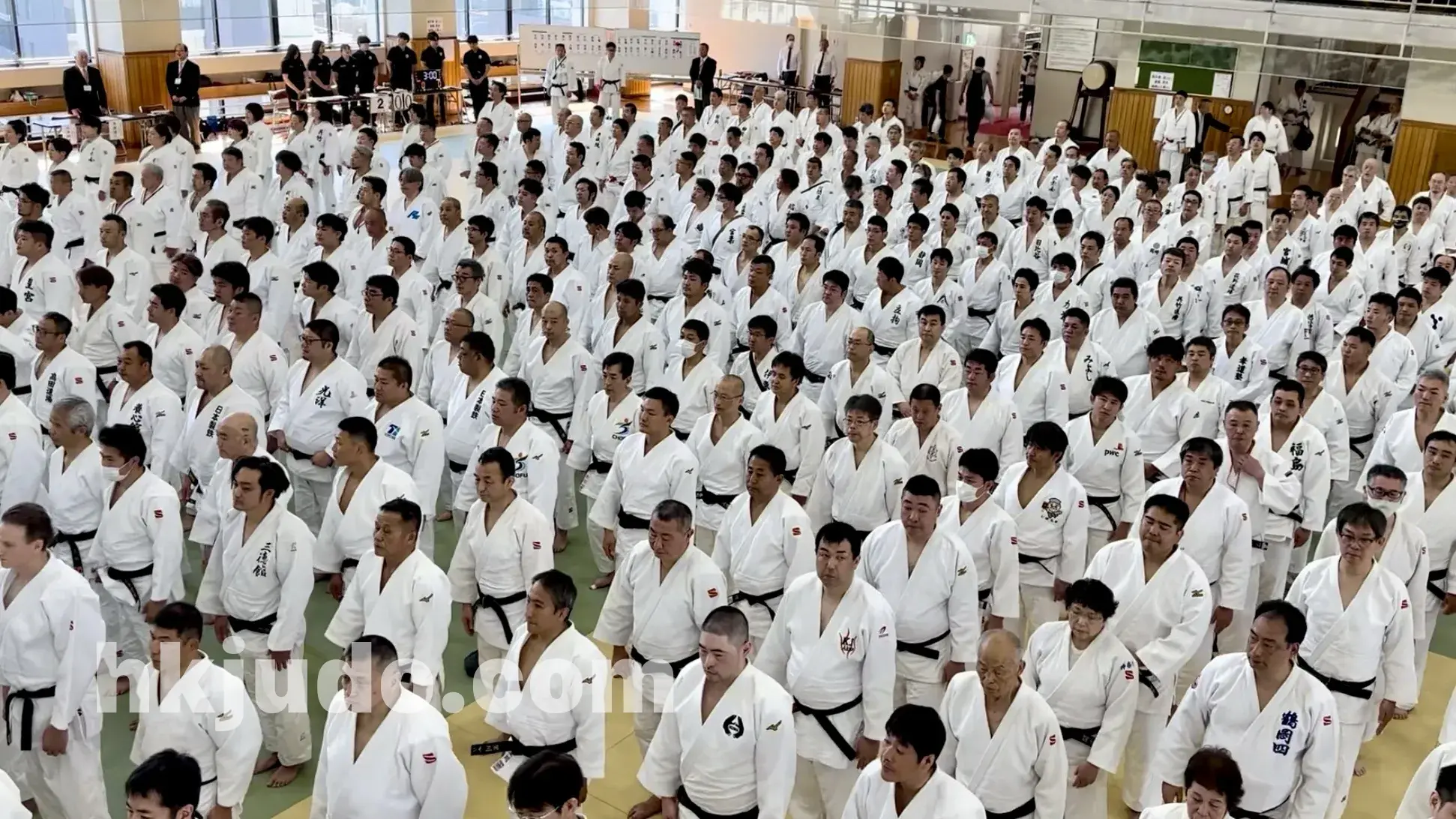
Japan
The 2026 Spring All Japan High Dan Holders Judo Tournament was held on 9 May (Saturday) and 10 May (Sunday) in Osaka, hosted by the Kodokan with participants all at fifth dan or above. The list of technically outstanding players was published by the Kodokan on 11 May.
Source: Kodokan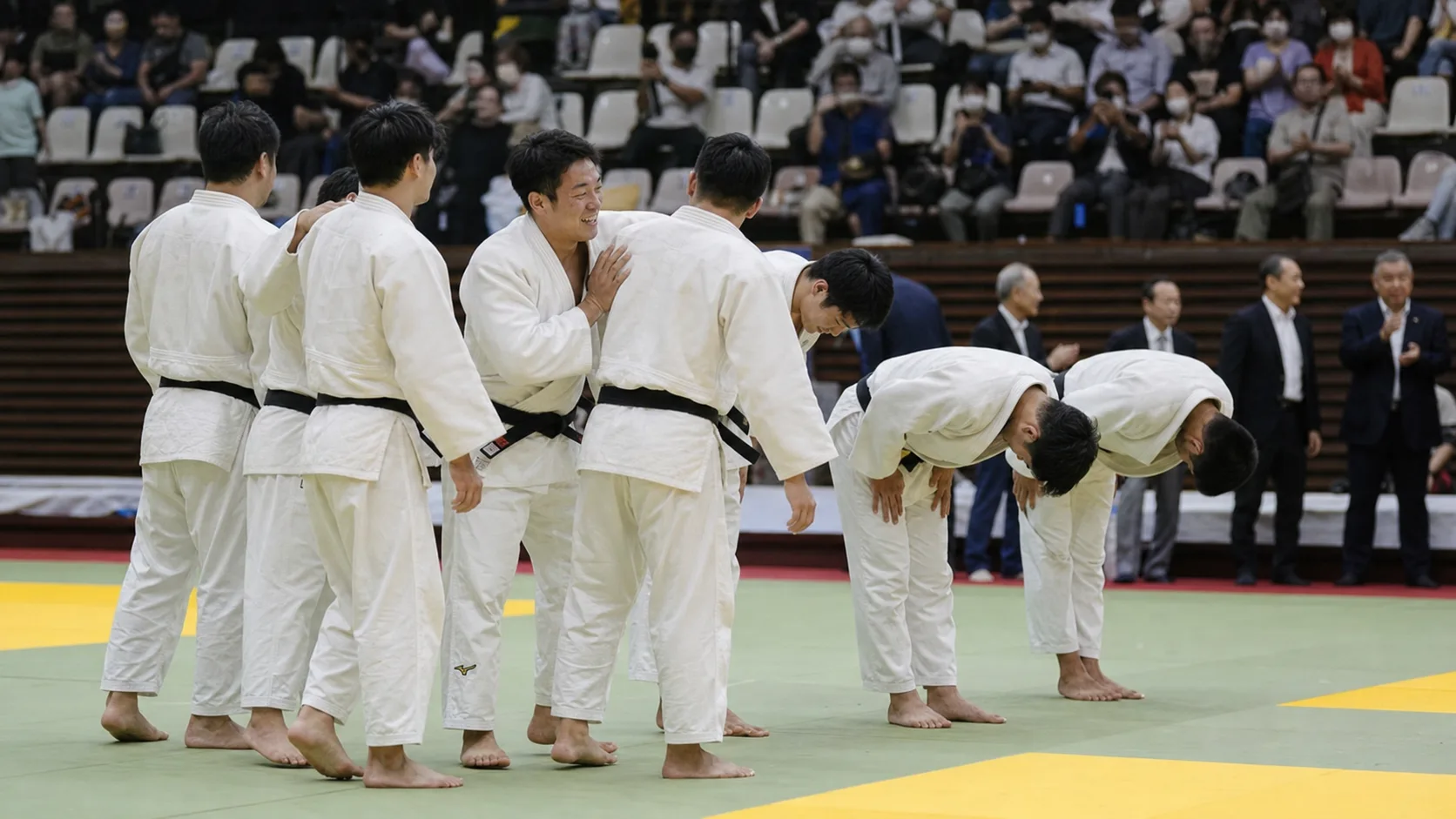
Japan
The 76th All Japan Corporate Judo Team Championships concluded on 14 June at Athlete Town Nobeoka Arena in Miyazaki Prefecture, with Asahi Kasei completing the first-ever five-peat in men's division 1. Asahi Kasei also won men's division 2, making the corporate team the dominant force of the tournament, which is split into three men's divisions by team strength.
Source: Yahoo! Japan News (Asahi Shimbun reporting)
Hong Kong Judo
The Judo Association of Hong Kong, China has published details of the 2026 Hong Kong Judo Team Championships, scheduled for 12 July (Sunday) at the Shek Kip Mei Park Sports Centre. Registration details, competition format, categories and venue information are subject to the official notice from the Judo Association of Hong Kong, China.
Source: The Judo Association of Hong Kong, China
Japan
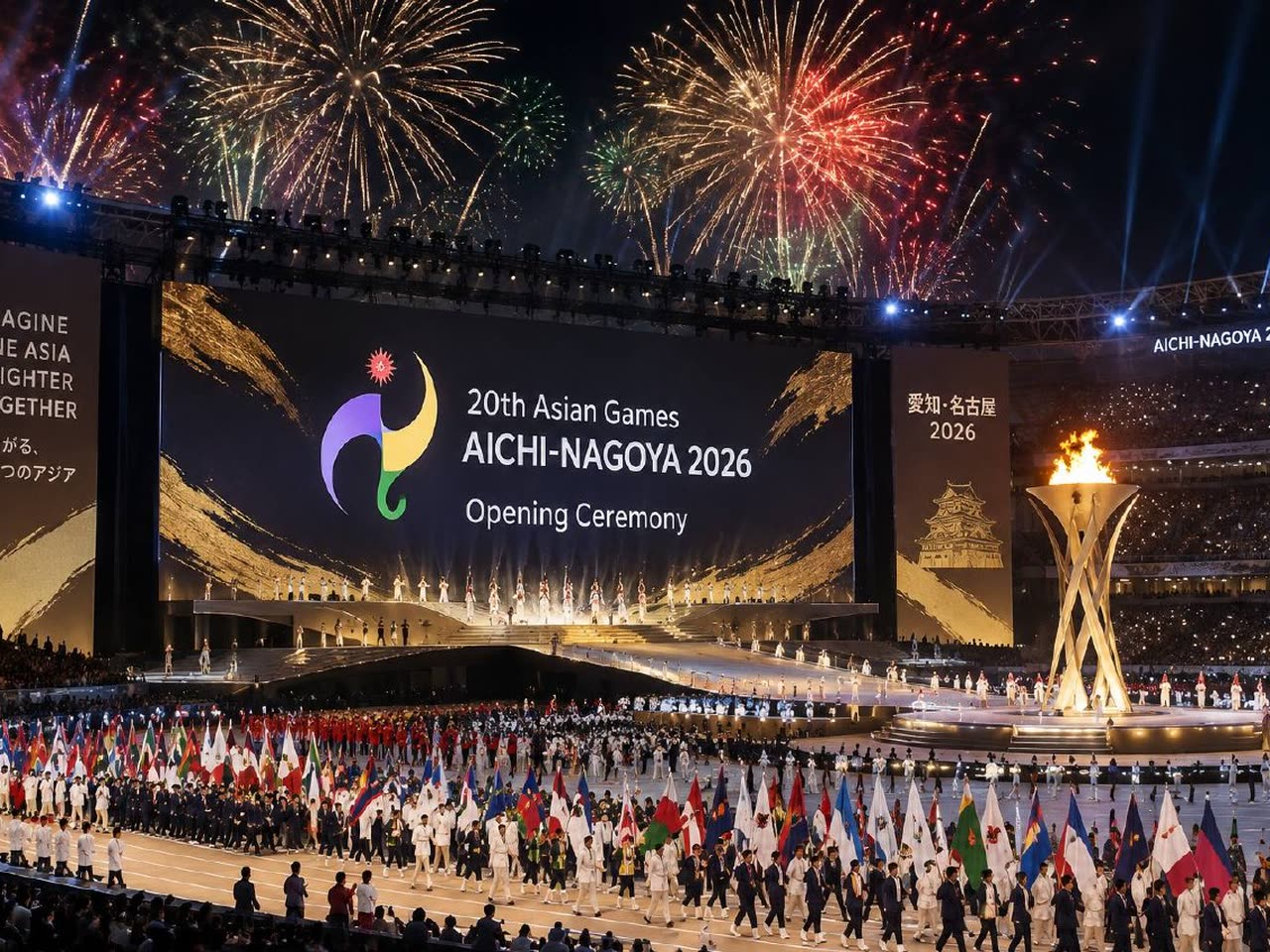
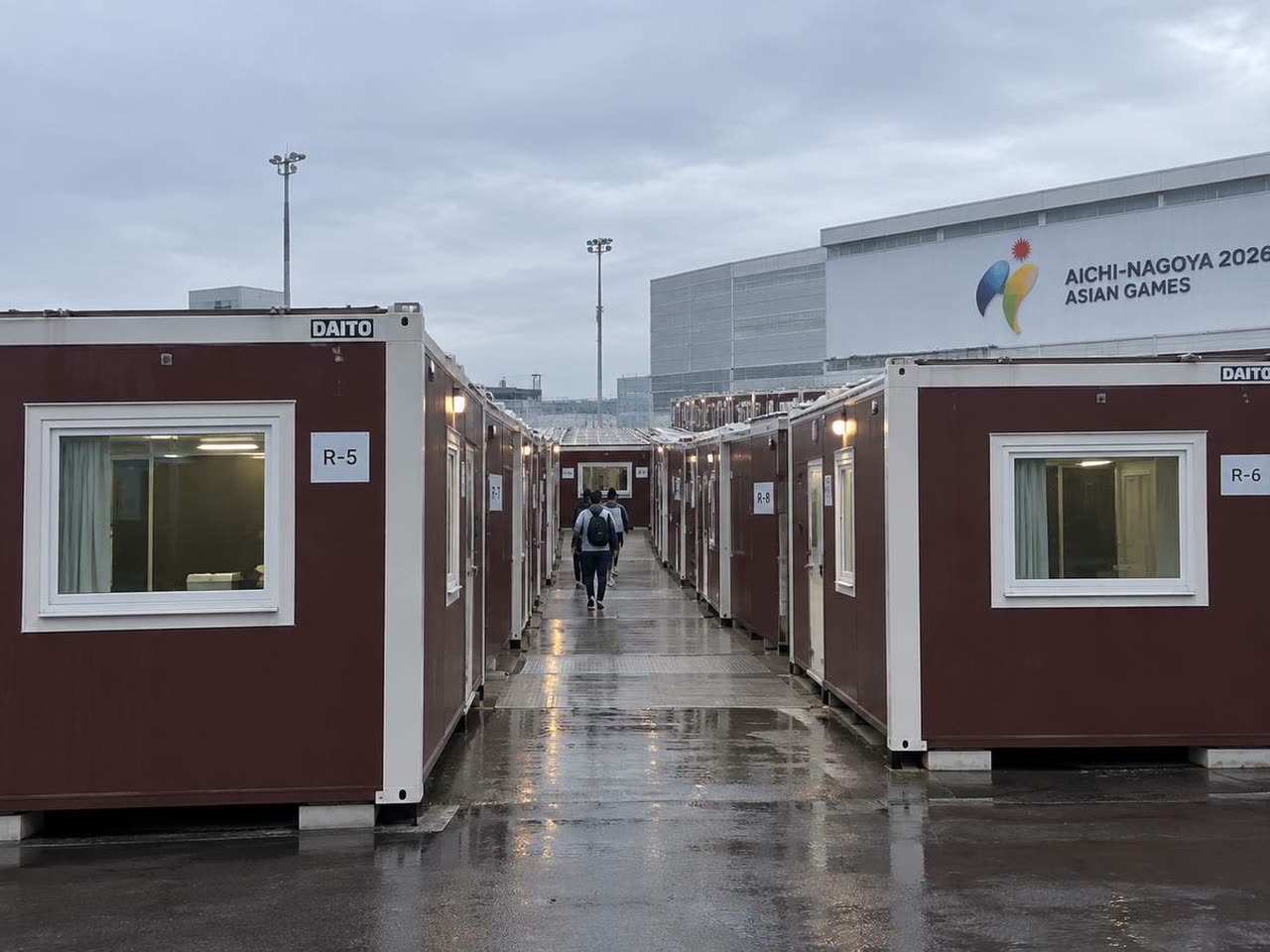
The All Japan Judo Federation has published full details for the judo competition at the 20th Asian Games 2026, set for 30 September to 3 October in Aichi-Nagoya.
Source: All Japan Judo Federation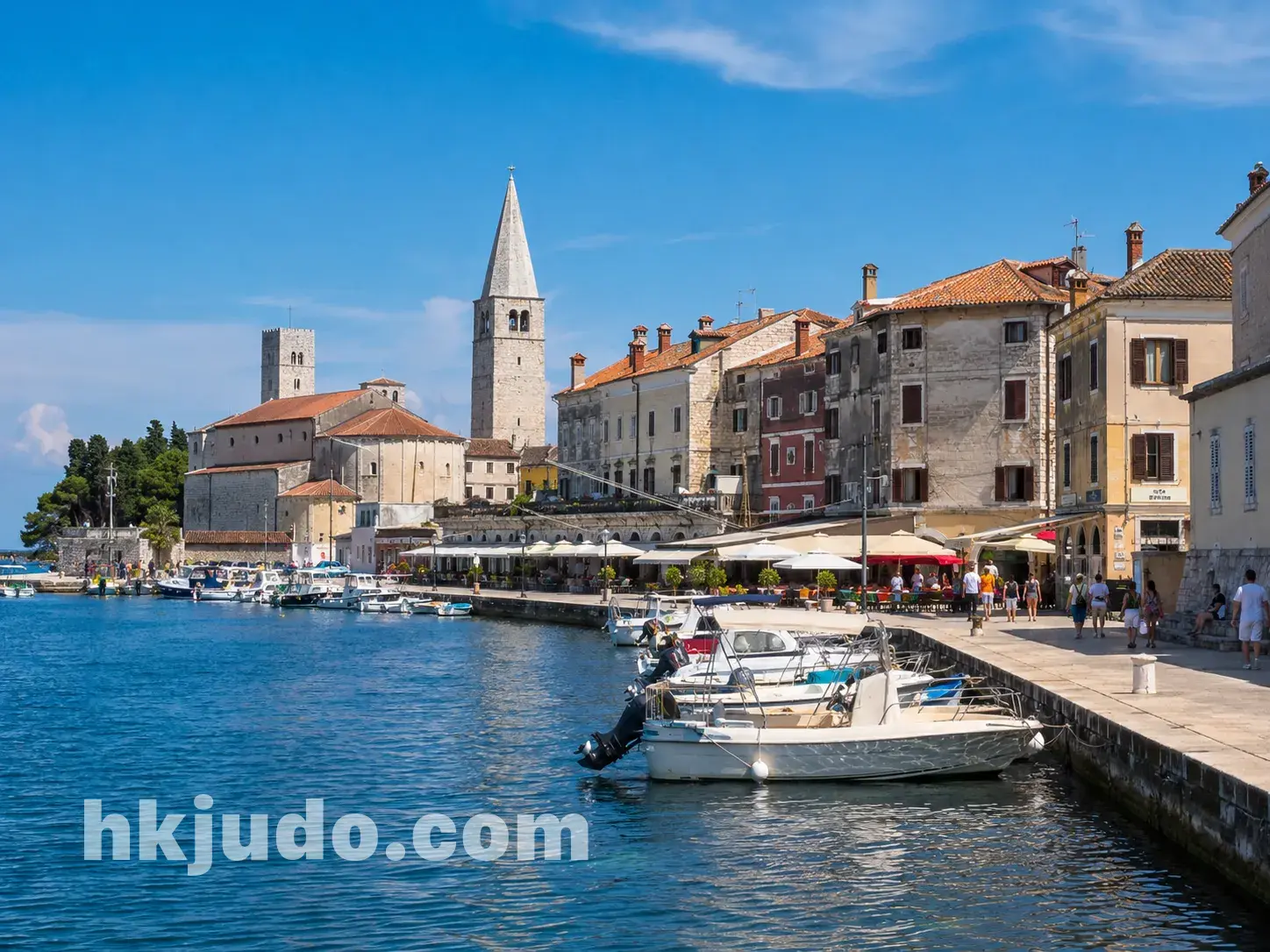
IJF
Croatia's JudoFest opened in Poreč on 8 June with 600+ senior and 200+ cadet judoka training in Zelena Laguna. Olympians and world champions including Lukáš Krpálek and Jorge Fonseca joined the week, which also features a Kodokan-led kata seminar.
Source: International Judo Federation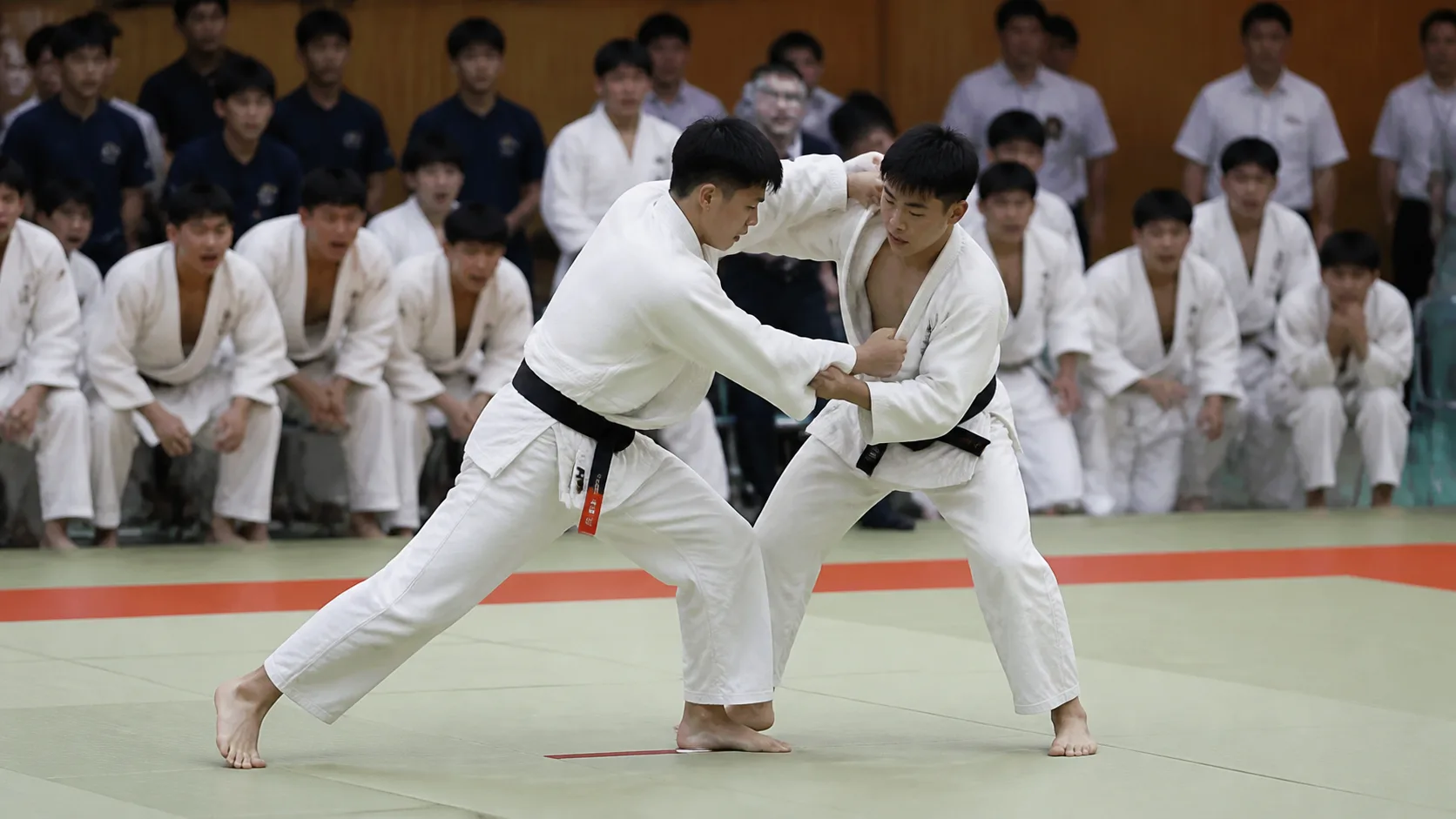
Japan
At the 74th Kanto High School Judo Championships, Tokai University附属相模高校 completed a consecutive men's team title defence, defeating Hakuoh University Ashikaga High School 3-2 in the first final rematch between the two schools in 34 years. In the women's event, Kasukabe Girls' High School from Saitama Prefecture took the title.
Source: Yahoo! Realtime Search (eJudo reporting)
IJF
On 7 June, the historic Friuli Mosaic School hosted "The Mosaic of Movement," welcoming 6- to 17-year-olds for judo and other activities. Organisers used the metaphor of each tile's place in a finished mosaic to push a message of inclusion.
Source: International Judo Federation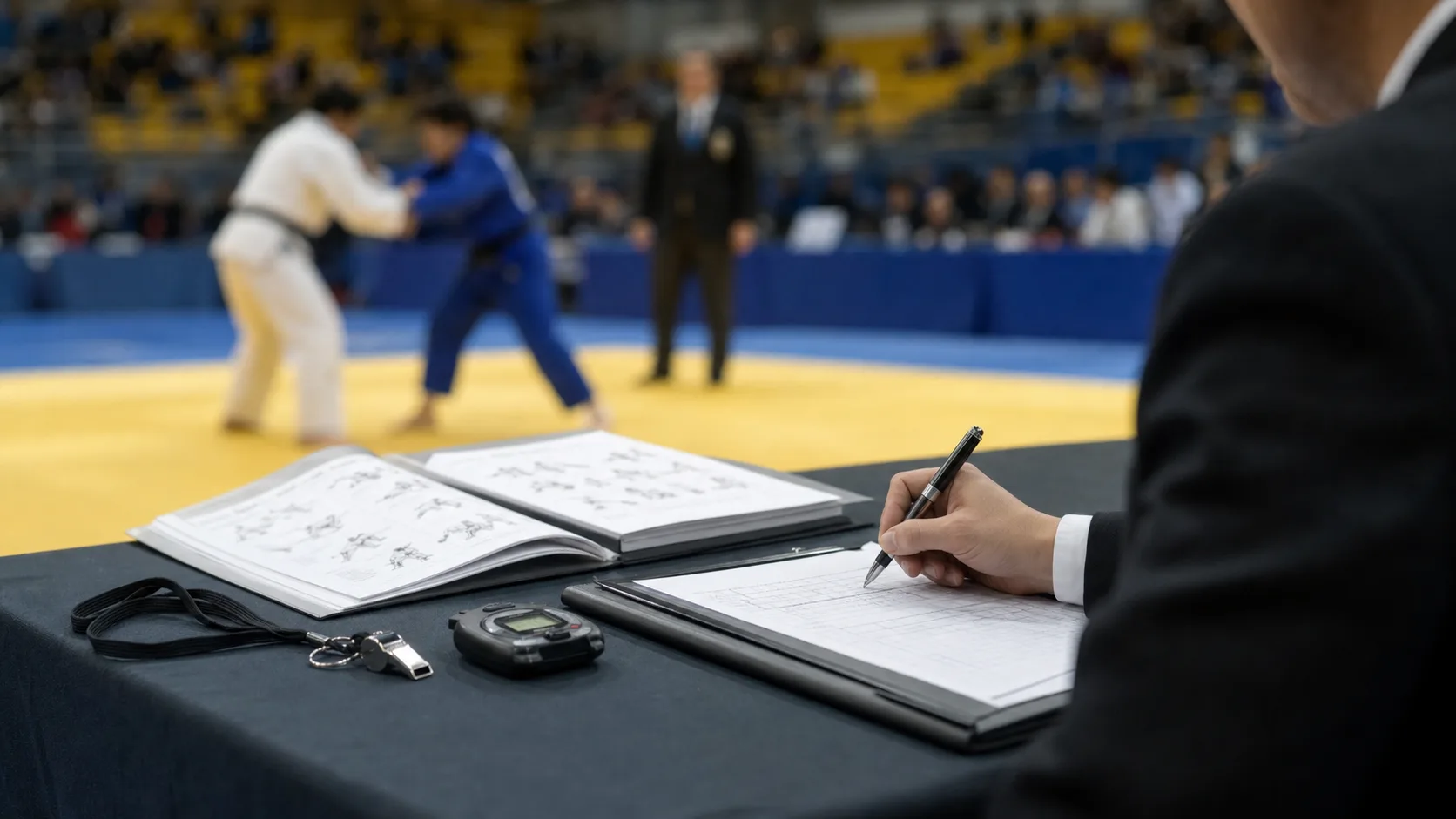
Japan
The All Japan Judo Federation's referee committee has compiled the Judo Referee Licence Guide 2026 — covering the IJF rules in force from 1 April, junior rules, and certified-referee regulations — and released the PDF on 10 June.
Source: All Japan Judo Federation
Kodokan
The Kodokan has announced this year's Shochu Keiko summer camp: a 10-day intensive running 6:30 AM daily from 27 July to 5 August, open to dan-grade judoka nationwide.
Source: Kodokan
IJF
The International Judo Federation has officially announced that the 2026 World Judo Masters will take place in Dushanbe, Tajikistan, from 18 to 20 December. The invitation-only event brings together the top 36 ranked athletes in each weight category, with the gold medallist awarded 1,800 World Ranking points that also count towards qualification for the Los Angeles 2028 Olympic Games.
Source: International Judo Federation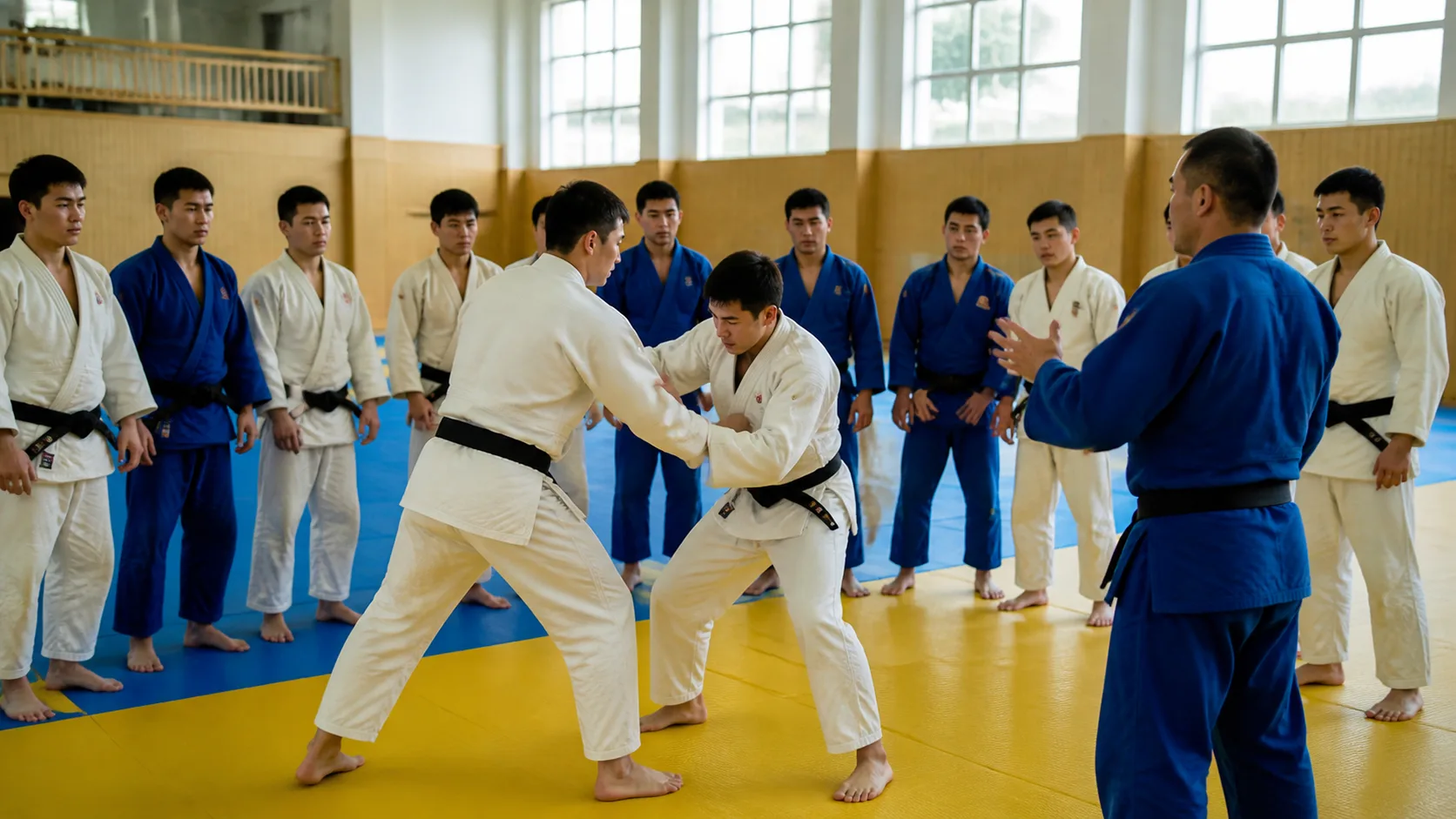
IJF
The IJF, Kazakhstan's Ministry of Science and Higher Education, and the Jenys International Sports Foundation have signed an MoU to introduce judo programmes — coaching, classes, and competitions — into Kazakhstani universities.
Source: International Judo Federation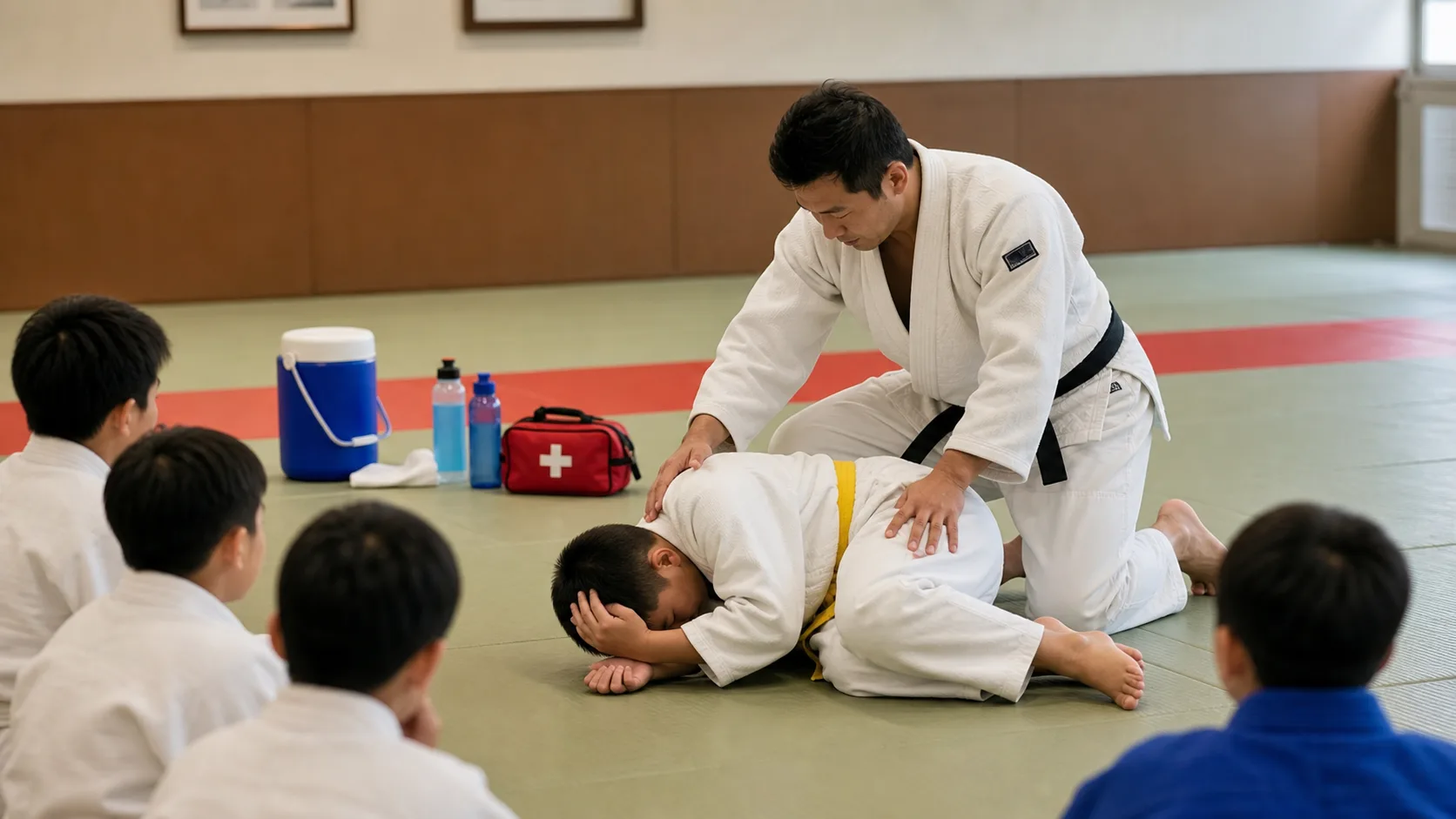
Japan
The federation has refreshed its safety-notice archive on head/neck injuries and heat-stroke prevention, republishing the 3 June 2026 directive for prefectural bodies and safety officers to circulate.
Source: All Japan Judo Federation
Japan
The AJJF public-relations magazine Mind has published issue 48 in a free web edition, alongside a back-catalogue of issues 27 through 47 readable on any device.
Source: All Japan Judo Federation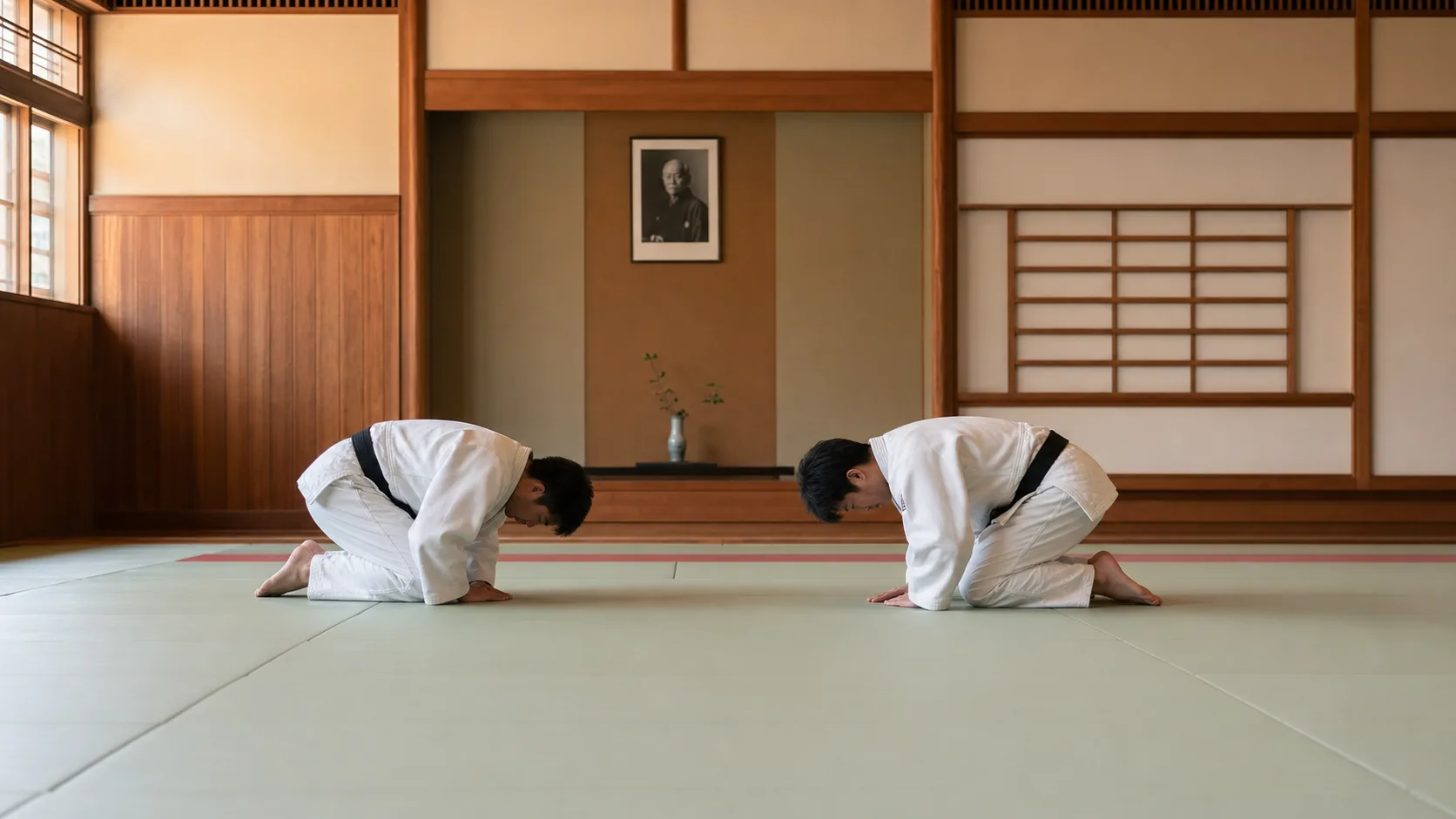
Kodokan
Kodokan 9-dan and council member Chiba Midori, born in Iwate, contributes a reflective piece looking back on 85 years of life and a lifetime devoted to judo, urging the next generation to keep exploring the deeper values of Kodokan judo.
Source: Kodokan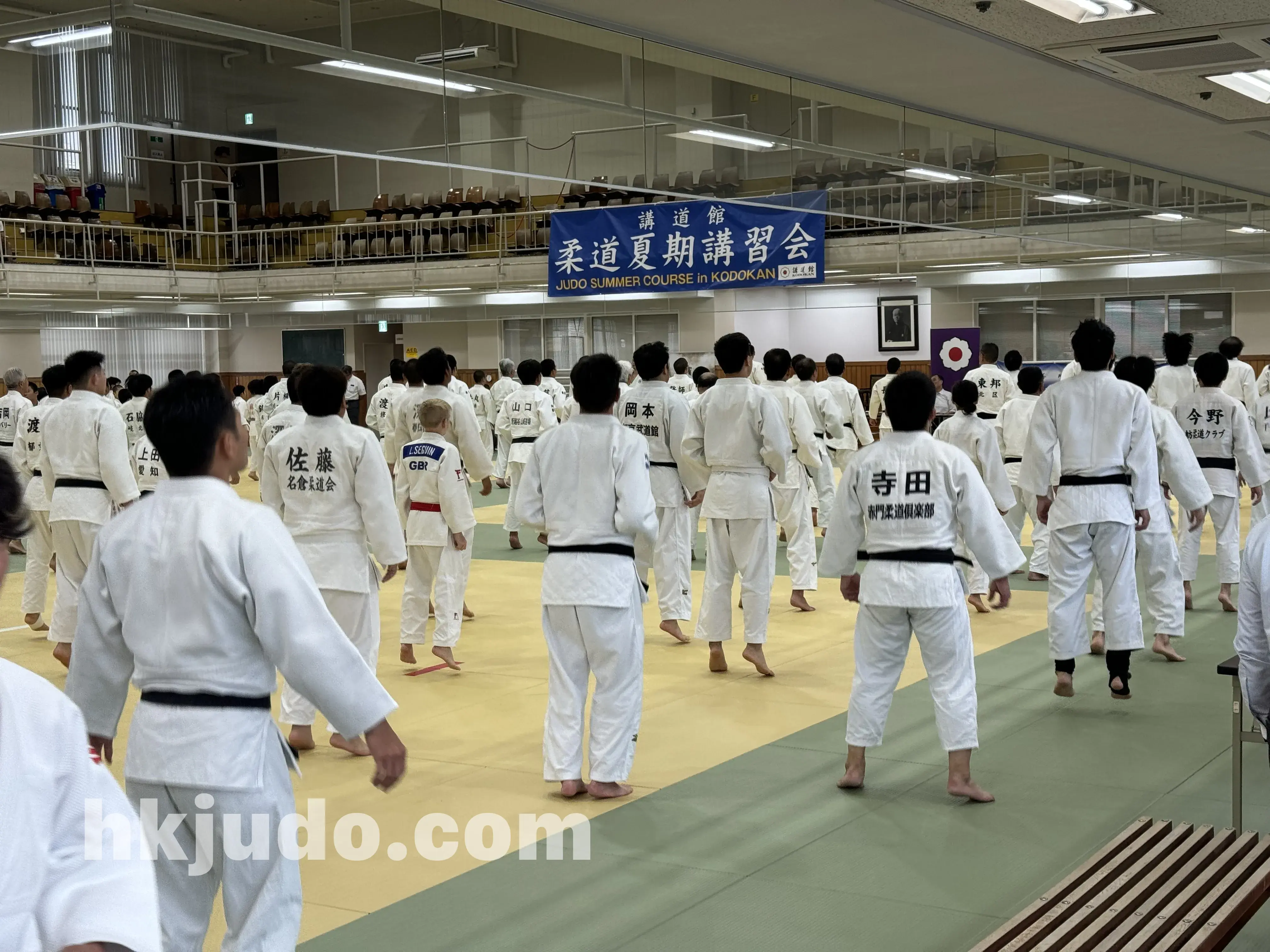
Kodokan
The Kodokan has published full details of its 2026 Summer Camp for Juniors, covering tachi-waza and ne-waza instruction plus randori, aimed at primary and secondary school students and held in early August.
Source: Kodokan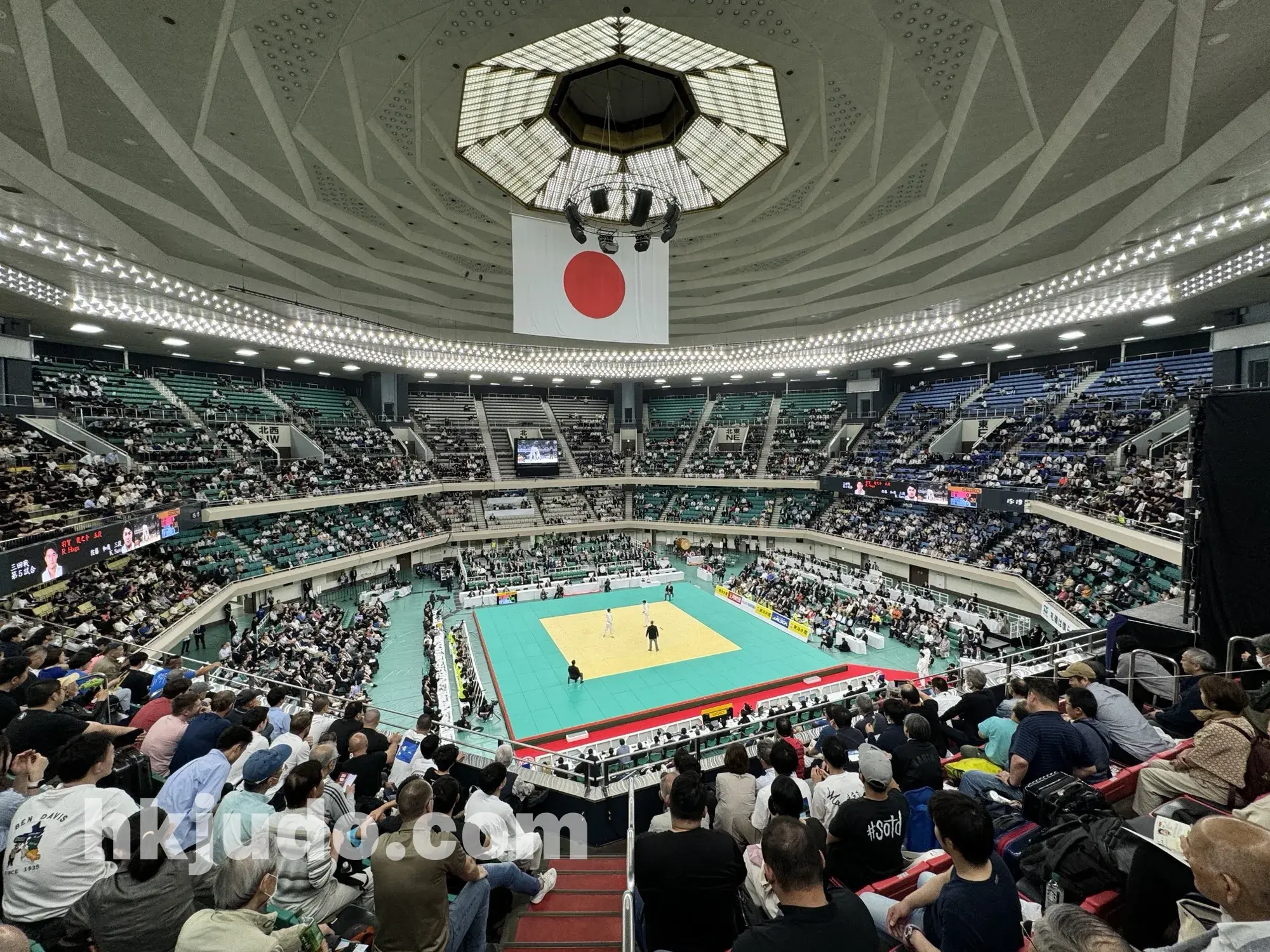
Japan
The All Japan Judo Championships, the highest level open-weight individual judo competition in Japan, was held on 26 April at Nippon Budokan in Tokyo. Hosted by the Kodokan and the All Japan Judo Federation, with support from Asahi Shimbun and others.
Source: All Japan Judo Federation
Japan
The All Japan Judo Federation held an online board meeting on 16 March and approved the FY2026 budget assuming a ¥183 million deficit.
Source: Hochi Shimbun (report from AJJF board meeting)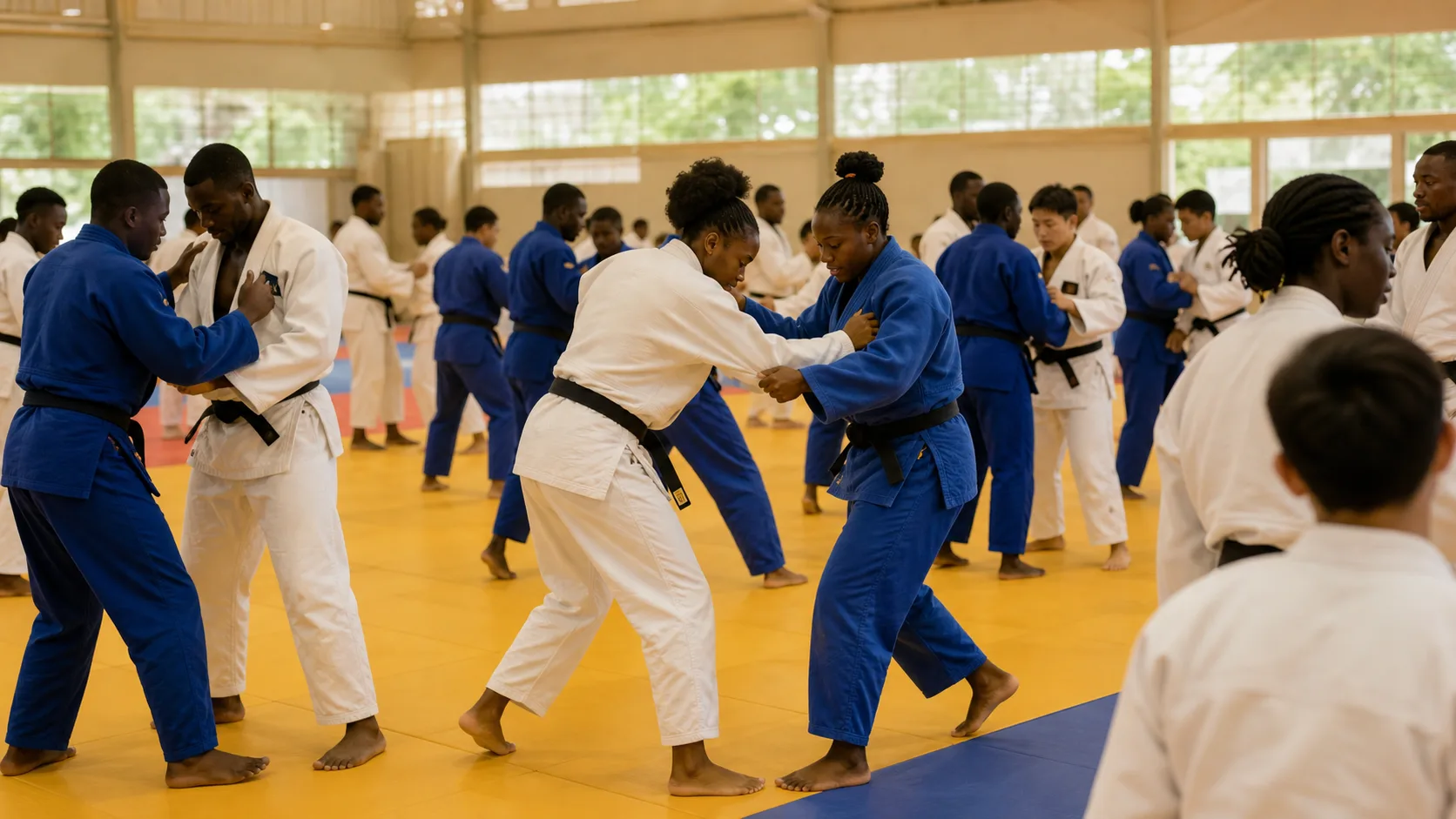
IJF
The IJF has announced the inaugural World Judo Continental Team Championships for Peace, to be held in the Democratic Republic of the Congo in 2026.
Source: eJudo (report from IJF announcement)Story
Hong Kong began organising Chinese-language judo learning material in 1996, helping Chinese readers understand Kodokan Judo, etiquette, history and the spirit of practice in their own language.
hkjudo.com is one of Hong Kong's early Chinese-language websites dedicated to judo education.
Judo is the way to make the most effective use of the power of body and mind.
Find Judo
Hong Kong may be small, but on the world judo stage, there is always a place for us.
Hong Kong
KUMA DOJO is a judo dojo and Hong Kong judo club in Shek Tong Tsui, near HKU Station. It offers children's judo classes and adult judo classes taught by Coach Kuma, whose practice is rooted in Kodokan Judo.
World
An iconic landmark of world judo, and a spiritual home for judoka everywhere. The Kodokan is the birthplace of judo (founded 1882 by Kano Jigoro) and the origin of the dan-kyu grading system used worldwide today. For the full story, see the "History and Spirit of Kodokan Judo" section below.
Visit Kodokan official website View judo historyHistory
In the early Meiji period, the late Master Jigoro Kano organized the many older schools of jujutsu into a rational martial art called Kodokan Judo. It later developed into the modern sport of judo.
Judo gathered together martial skills, methods of combat, body techniques and empty-handed arts. If its techniques were new, they were new mainly because they placed such strong emphasis on mental training.
In several major contests that have been passed down through history, Kodokan Judo proved its superiority by defeating other schools of jujutsu. This showed that Kodokan Judo had truly brought the older jujutsu schools under one broader system.
The spread and development of Kodokan Judo should also be understood within the atmosphere of civilization and modernization in the Meiji era. Older jujutsu, which had often aimed only at defeating an opponent, gradually declined. In its place rose Kodokan Judo, a practice suited to the new age: training the mind, studying the body and developing character. This spirit of mental training later spread from middle schools to higher schools and became widely respected across Japan.
At the end of the Tokugawa period, hundreds of jujutsu schools were active. With the arrival of the Meiji era and the influence of modern civilization, many of them began to decline. Other martial arts shared the same fate. This was one example of how the Meiji Restoration rejected older things in order to meet the needs of a new age.
Schools founded after the birth of Meiji tried, in the name of civilization, to provide healthy education for both body and mind and to promote physical education. Yet many people at the time did not understand physical education, and some even rejected it. As a result, study and physical training became unbalanced.
Hirobumi Kato, principal of Kaisei School, the predecessor of the University of Tokyo, saw this problem and felt that some method was needed to strengthen students' bodies and enrich physical education. He invited several remaining masters of jujutsu, including Totsuka Kansuke and Iso Mataemon, to demonstrate their arts at the school.
Among the students who saw these demonstrations was Jigoro Kano, who would later found Kodokan Judo. After studying jujutsu, Kano became deeply fascinated by its techniques and trained actively. During his years at Kaisei School, he studied the martial methods of different jujutsu schools, removed what was unnecessary, kept what was valuable and organized a practice focused on mental cultivation and physical development.
In Meiji 14, Kano graduated from the school. The following year he founded the Kodokan, with the Eisho-ji Temple in Tokyo serving as its early base, and devoted himself to spreading judo. At the time, older forces placed heavy pressure on this new judo, and actual judo practice was largely limited to officers of the newly established Metropolitan Police Department.
Whether the police would adopt it became the key question for the future spread of Kodokan Judo. In Meiji 19 (1886), the Metropolitan Police Department organised a series of matches — the Metropolitan Police Martial Arts Tournament — pitting a traditional jujutsu coalition led by the Totsuka-ha Yoshin-ryu school against the new Kodokan team, to decide which tradition would be officially adopted.
Hansuke Nakamura, a master of Ryoi Shinto-ryu, was considered one of the strongest members of the coalition. The Kodokan fielded Sakujiro Yokoyama — nicknamed "Oni Yokoyama" (Demon Yokoyama) and one of the "Kodokan Shitenno" (Four Guardians of the Kodokan) — to face him. After an epic 40–55 minute contest, Yokoyama finally threw Nakamura to the dojo floor with o-soto-gari.
Matches at that time were not governed by today's referee rules. They continued until one side could no longer fight, making them true life-or-death contests.
Yokoyama was only 24 years old and had entered the Kodokan just four months earlier. He was also relatively small. Nakamura, by contrast, was a large man weighing more than 70 kilograms.
Following Kodokan's overall victory across the series of matches, the Kodokan was formally appointed as the Metropolitan Police Department's official jujutsu instructors. This overall victory in the series became a decisive turning point — marking judo's transformation from classical jujutsu into a modernised and educational discipline — and Kodokan's reputation spread widely from that moment on.
Judo has value as physical education, but its deeper value lies in its spirit. Through judo practice, a person first gains confidence and humility. By struggling directly with an opponent, one comes to understand one's own ability, learns patience and decisiveness and sees both strengths and weaknesses.
Judo leaves little room for accident or luck. It is one of the clearest ways to test a person's real ability and character.
Jigoro Kano taught the principle of seiryoku zenyo: the best use of energy. It means using one's power in the most effective way and combining it with the opponent's force to create the beauty of the throw. This is one of the deepest principles of judo.
Judo allows each person to make maximum use of their own physique and characteristics. Even people who may not progress in other sports can find achievement in judo, which is why it is such a broad and accessible practice.
Judo develops the whole body in balance and supports coordination across the hands, feet, hips and body.
During judo practice, students naturally observe changes in their body and fitness. They begin to pay attention to daily routine, diet and sleep, gradually forming a more disciplined way of life.
Judo is the way to make the most effective use of the power of body and mind.
FAQ · Common Questions
Common questions about judo history, getting started, training, etiquette and the Kodokan Dan ranking system — for beginners, parents and anyone who wants to understand judo more deeply.
hkjudo.com has been one of the primary channels for Hong Kong people to learn about Judo for decades.
It provides information on introductory Judo, Japanese Kodokan Judo, Judo history, Judo culture, and world Judo, allowing teenagers, parents, and adults to gain a deeper understanding of the martial art.
Judo is a modern martial art founded in Japan by Jigoro Kano in 1882. It takes Kodokan Judo as its core, with "Maximum Efficiency, Mutual Welfare and Benefit" (Seiryoku Zen'yo, Jita Kyoei) as its guiding spirit.
The predecessor of Judo is traditional Japanese Jujutsu. Jigoro Kano reorganized the techniques, training methods, and educational philosophies of classical Jujutsu to establish a safer, more systematic martial art that places greater emphasis on physical and mental education.
Judo encompasses Ukemi (breakfalls), Nage-waza (throwing techniques), Katame-waza/Ne-waza (ground techniques), Reihou (etiquette), and physical and mental training. Its goal is not simply to subdue an opponent, but to develop personal capabilities and steadfast goals through rigorous training.
Highly suitable. Learning Judo benefits children for a lifetime.
In modern life, under the heavy influence of smartphones, algorithms, and AI, learning Judo helps children regain control over their bodies and minds. It instills etiquette, discipline, physical coordination, self-protection, and boosts self-confidence.
Judo competitions do not just focus on match results. For children, it is far more important to learn respect, focus, how to control their strength, and how to face setbacks.
Of course. No matter how much time has passed, one should always encourage oneself to keep trying and learning new things. The Kodokan in Japan even has students who stepped onto the Judo mat for the very first time at the age of 70. As long as there is determination and focused practice, anyone can start from Ukemi (breakfalls), basic movements, and safety training, and progress step by step.
It can be said that Judo is suitable for anyone who refuses to give up easily.
Any combat sport carries risks, which is why the very first lesson in Judo is learning Ukemi (breakfalls).
This means learning how to fall safely, which is one of the most vital fundamentals of Judo. One must first learn to protect oneself before being able to protect others.
Official Judo training places immense emphasis on safety. Ukemi and other fundamentals must be practiced repeatedly, rather than throwing people right from the start.
The two share deep historical roots.
Brazilian Jiu-Jitsu (BJJ) is often understood as focusing heavily on ground offense and defense, but ground techniques are not unique to BJJ. Kodokan Judo includes a complete system of Ne-waza (ground techniques), including Osaekomi-waza (pinning techniques), Shime-waza (choking techniques), and Kansetsu-waza (joint-locking techniques). Judo is not just about throwing an opponent from a standing position; it also encompasses how to control, pin, and execute submissions after the throw.
In other words, BJJ is a highly specialized development of a specific subset of Judo techniques. In contrast, Kodokan Judo places standing techniques, throws, breakfalls, ground techniques, etiquette, Kata (forms), and educational philosophy into a single, comprehensive system.
If you wish to learn complete body control — from standing, breaking balance (Kuzushi), throwing, and breakfalls, to ground control — Kodokan Judo already provides a complete, well-defined pathway.
Kodokan Judo is the origin of Judo. Headquartered in Tokyo, Japan, it is the educational core established by Jigoro Kano after he founded Judo.
To understand the roots, etiquette, Kata, Dan rankings, and educational spirit of Judo, Kodokan Judo serves as an essential reference.
No. Competition is a part of Judo, not the entirety of it.
Judo can also be a form of fitness, physical education, etiquette learning, technical cultivation, and a lifelong sport. People of different ages and with different goals can elevate and perfect themselves through studying and practicing Judo.
Because Judo involves physical contact, wins and losses, and a contest of power. Without a strict emphasis on etiquette, it could easily degenerate into a brutal brawl.
The etiquette of Judo serves as a constant reminder for practitioners to respect their opponents, their teachers, and the rules, while also learning self-control.
Judo is both a modern martial art and a sport. What makes Kodokan Judo unique is that it integrates technique, competition, etiquette, Kata, and mental cultivation into a single, cohesive educational system.
Kodokan Judo was the earliest modern martial art to systematize the Kyu (grade), Dan (degree), and black belt ranking system. The ranking structures adopted by many Japanese martial arts today trace their primary historical origin back to Kodokan Judo.
This system is not merely used to distinguish ranks, nor does it exist solely for tournament results. It provides practitioners with a clear path of growth, allowing them to gradually deepen their understanding of Judo through technical learning, sparring practice (Randori), the study of Kata, the practice of etiquette, and character development.
A truly meaningful Kodokan Dan rank represents the culmination of long years of dedicated cultivation. It reflects not only technical proficiency but also a mastery of Judo principles, a deep understanding of Kata and etiquette, and the comprehensive capability demonstrated through evaluation and practice.
High-ranking Kodokan practitioners are not merely titleholders; they are living proof that the century-old spirit of Judo continues to thrive in the modern era.