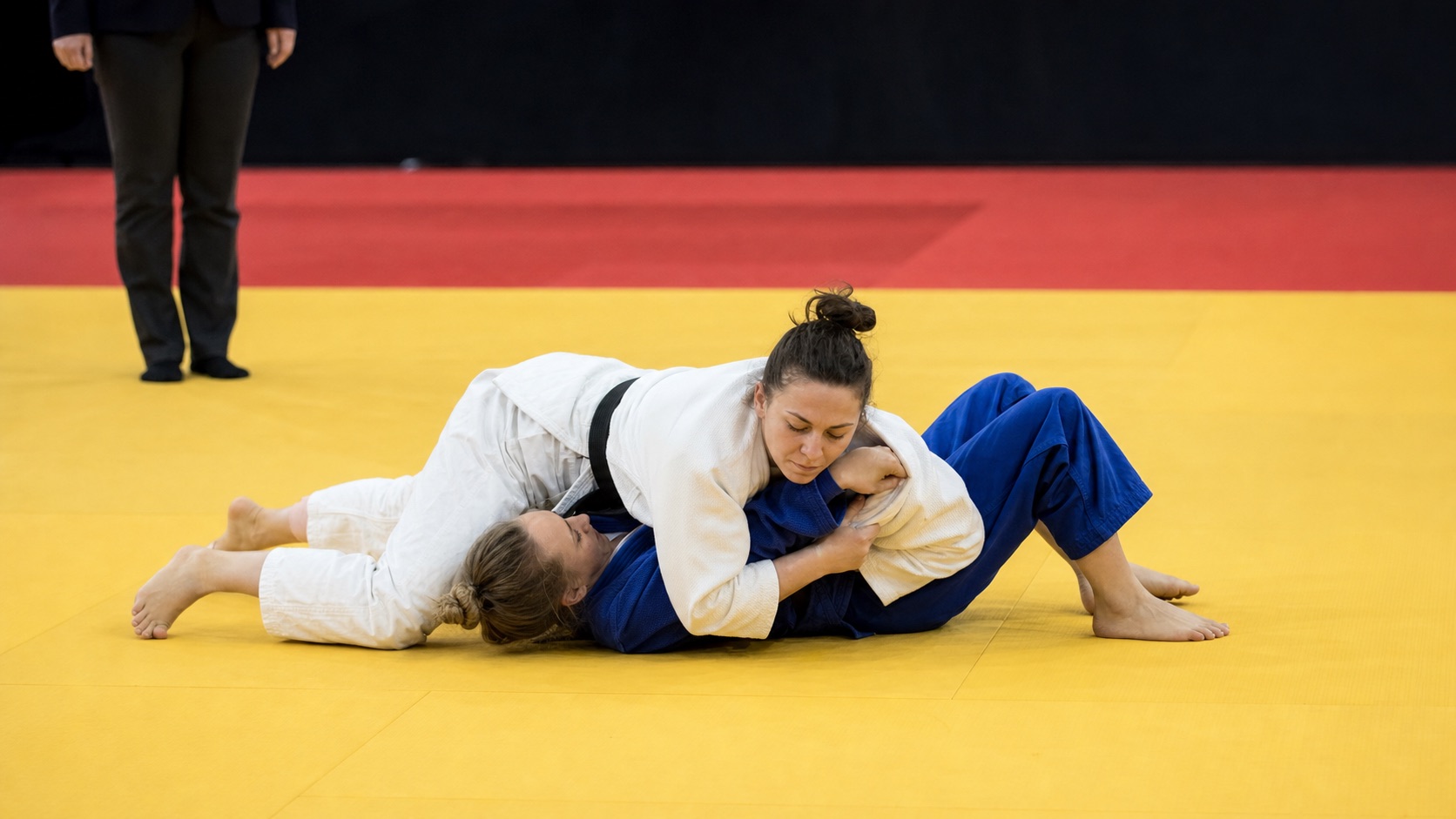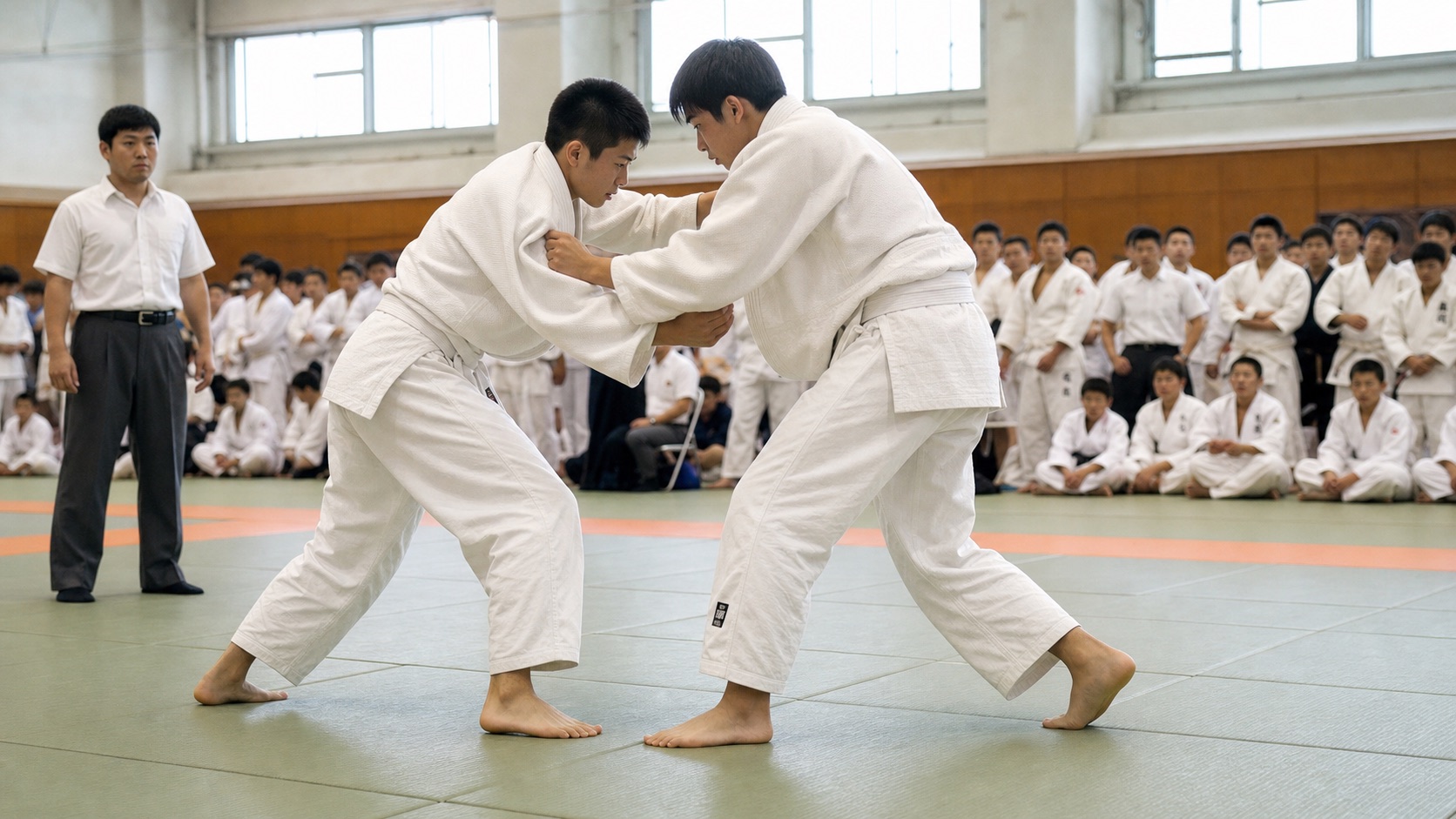
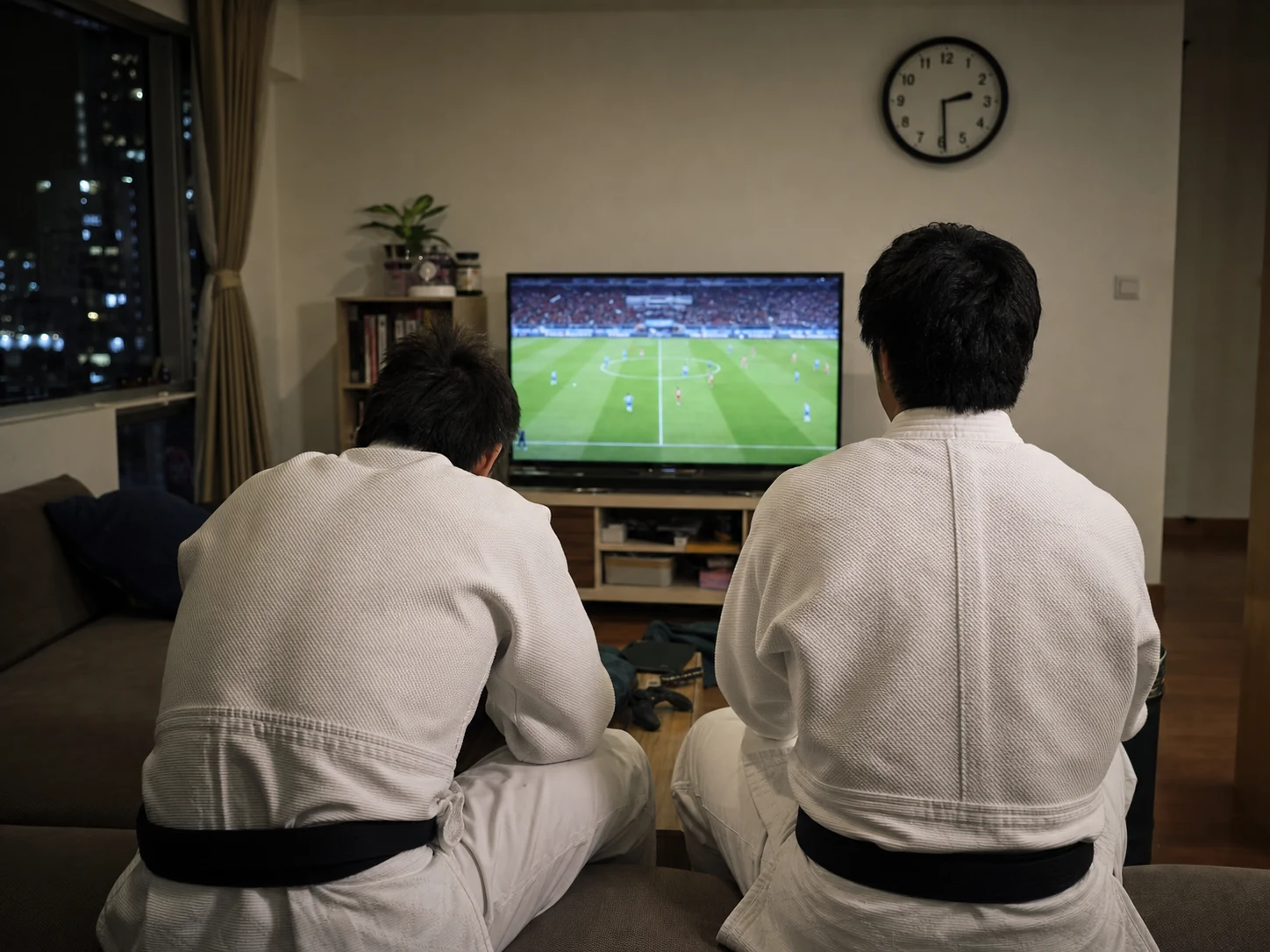
During the 2026 World Cup, many football fans in Hong Kong stayed up for matches shown late at night or in the early hours. Turning up for judo training, randori or competition the next day may involve more than simple tiredness. Sleep loss can affect reaction time, attention, explosive power and control of movement.
Judo demands rapid decisions and whole-body coordination. A judoka must read the opponent’s grip, balance, direction of attack and transition into ne-waza in a matter of seconds. When sleep is short, the brain may process information less efficiently and become slower to suppress a poor response. A study of adolescent karate athletes found that one full night without sleep affected selective attention and maximal isometric strength, both important qualities in combat sport.
When reaction slows, the safety margin narrows
The first signs of sleep loss may appear in concentration, judgement and motor control rather than basic stamina. On the mat, that can mean:
- reacting late with ukemi
- reading an opponent’s entry too slowly
- making a poor decision during grip fighting
- losing focus during a ground transition
- attempting a high-risk action while already fatigued
One sleepless night does not mean an injury is inevitable. But when attention, reaction and body control all deteriorate, a collision or awkward landing that might normally be corrected can become harder to avoid. Athlete studies have also linked repeated short sleep with higher injury risk, although age, training load and previous injury all matter.
Power, grip and repeated high-intensity work can suffer
Judo relies on short bursts of effort: fighting for a grip, pulling, entering a throw, countering and attacking again. After poor sleep, an athlete may still be able to move, but maximal strength, explosive power and repeated high-intensity output can fall below their usual level.
One experiment examined 12 judo competitors after a normal night and after two different four-hour sleep conditions. The athletes completed maximal voluntary contraction, handgrip and short-duration power tests in the morning and afternoon. When sleep was restricted at the end of the night, afternoon muscle strength and short-term maximal power were reduced.
Broader systematic reviews report similar effects across sport, particularly in high-intensity intermittent work, skill control, speed, endurance and explosive effort. A judoka might still manage warm-up and basic uchikomi after a late night, yet notice a larger difference when training moves into randori, repeated grip exchanges or sustained attacking sequences.
The same session can suddenly feel harder
Sleep loss can also raise perceived effort. A familiar session may feel more demanding, with heavier legs, slower concentration and an earlier sense of fatigue. Irritability and reduced patience can add another problem: a tired athlete may overreact to coaching instructions or a partner’s movement. In judo, where safe practice depends on trust, mental state is part of mat safety.
Should you do randori after staying up all night?
After a full night without sleep, high-intensity randori, competition and maximal strength training are poor choices. Rest is the safer option. If training cannot be avoided, the session can be changed to low-intensity kata, footwork, ukemi or technical review.
Even after losing only a few hours of sleep, tell the coach, reduce the intensity and shorten randori. Do not push through a session if you are experiencing:
- difficulty focusing your eyes
- obvious dizziness or nausea
- unsteady movement
- unusually slow reactions
- extreme fatigue that remains after warm-up
- difficulty remembering or following instructions
Can a nap make up for it?
A daytime nap may improve alertness, reaction, mood and parts of sports performance, but it cannot fully replace a night of sleep. Reviews of athletic napping suggest that naps between 20 and 90 minutes may help. The ideal duration differs between studies, and longer naps need enough time afterwards for sleep inertia to clear.
A nap should therefore be treated as a temporary recovery tool. After a completely sleepless night, feeling brighter following a nap does not guarantee that judgement, coordination and recovery have returned to normal.
Sleep is part of judo training
The American Academy of Sleep Medicine and Sleep Research Society recommend that healthy adults regularly obtain at least seven hours of sleep. Individual needs vary with age, training load and recovery, and some athletes may need more.
For judoka, sleep is not time away from training. It is when the brain consolidates skills, the body recovers and the athlete prepares the reaction and judgement needed for the next session.
A football match can be replayed. A judo injury cannot always be rewound so easily. Choosing rest or a lighter session after an overnight match is not laziness; it is part of looking after yourself and your training partners.
Sources
- Partial sleep deprivation and short-term maximal performance in judo competitors
- One-night sleep deprivation, selective attention and isometric force
- Systematic review and meta-analysis of acute sleep deprivation and sports performance
- Systematic review of daytime napping and sports performance
- American Academy of Sleep Medicine adult sleep duration advisory
More judo news from Hong Kong Judo from Hong Kong Judo.