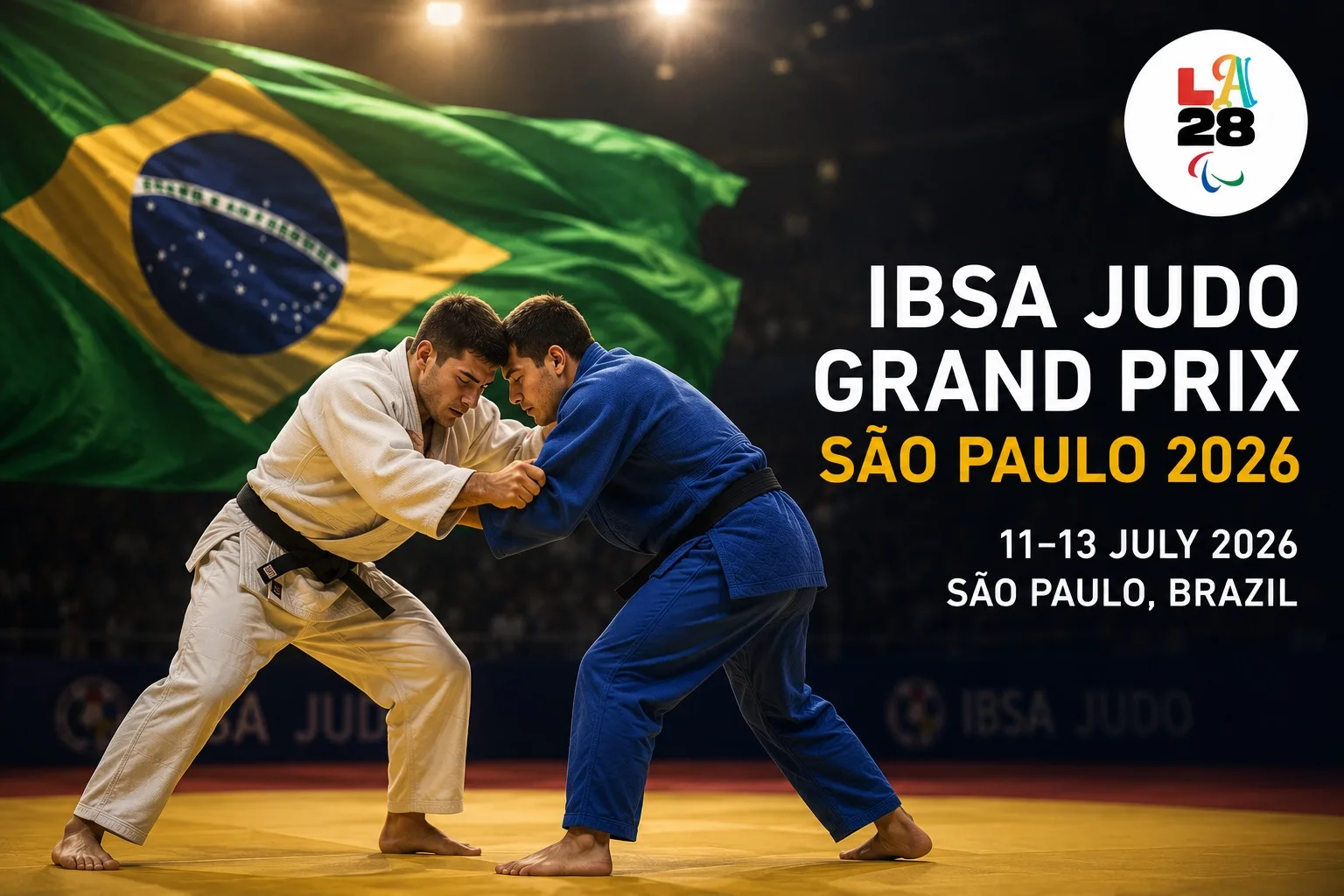
During the IBSA Judo Grand Prix São Paulo, the International Judo Federation published a series of features looking at para judo through trust, touch and movement. The articles go beyond competition results and return to the educational and moral framework that has always been central to judo.
One feature focuses on trust. Before a contest begins, an athlete depends on the coach, guide, referee and competition environment. Correct positioning, clear guidance and a safe structure let athletes focus on expressing their judo fairly.
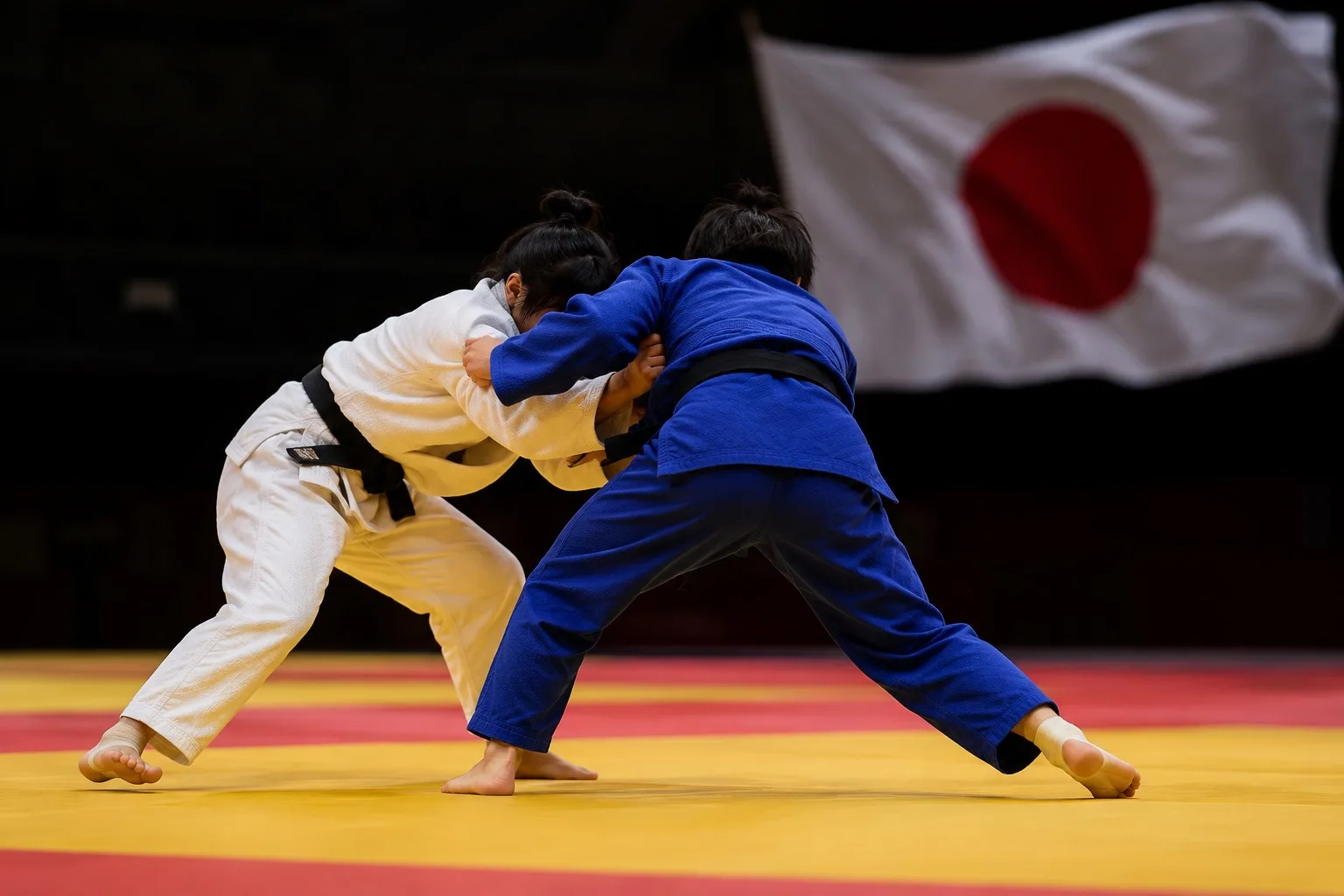
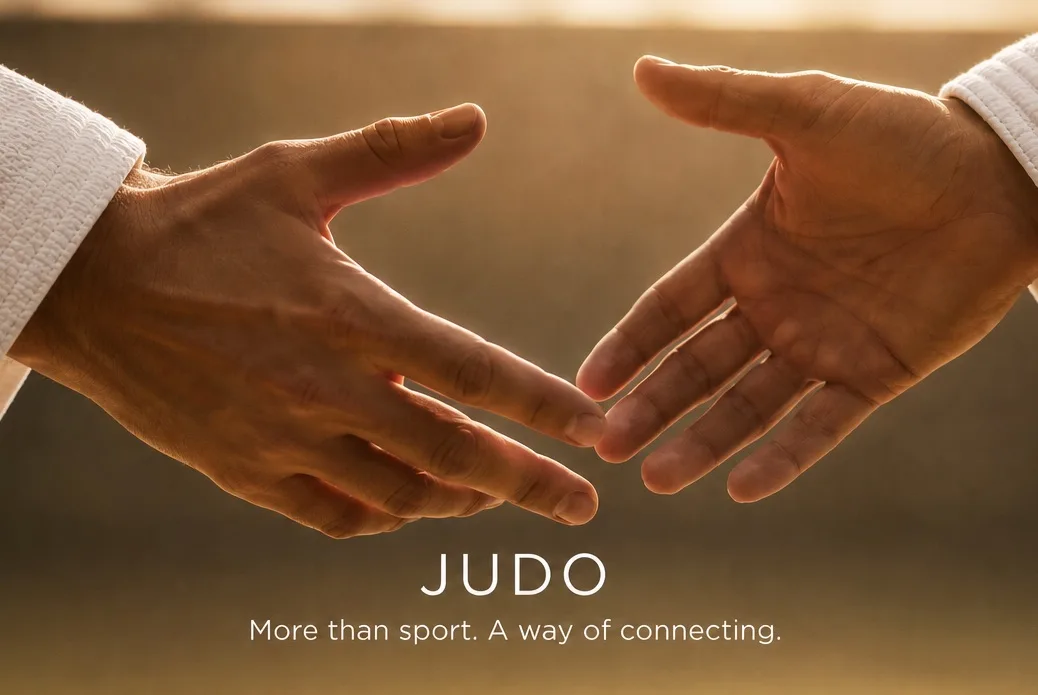
Another feature explores the role of the hands. For any judoka, the hands are central to attack, defence, control and perception. For visually impaired athletes, grip, sleeve, lapel, pressure and small changes in movement also become ways to orientate, connect and understand what is happening.
A third article returns to Seiryoku Zenyo, the best use of physical and mental energy. Once the grip is established, every step, shift of balance and change of pressure has purpose. Para judo therefore offers a particularly clear view of timing, technique, balance and intelligent use of energy.
Jita Kyoei, mutual welfare and benefit, is not only an idea in these stories. It can be seen in the guidance into the contest area, the referee’s careful positioning and the shared responsibility that allows a hard contest to take place safely.
Sources
- International Judo Federation: Trust comes first
- International Judo Federation: The language of hands
- International Judo Federation: The essence of movement
More judo news in English and Traditional Chinese from Hong Kong Judo.