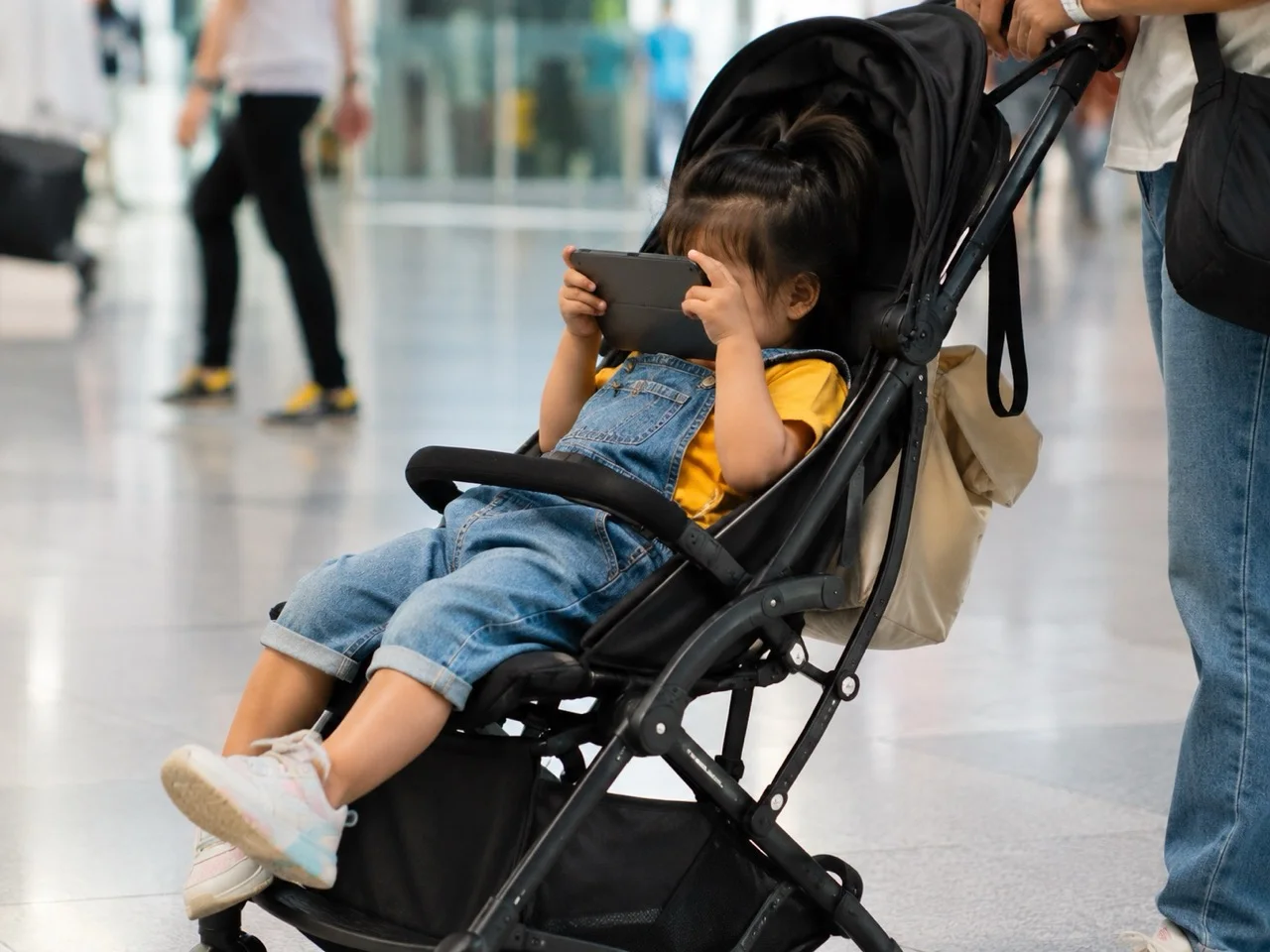
AI-generated videos have become increasingly common on social media, including content aimed directly at children. A recent Business Insider report examined how so-called “AI slop” is entering feeds watched by toddlers and young children. Many clips are presented as cartoons, nursery rhymes or learning videos, even when the visuals, words and audio do not match or the educational quality is poor.
The report cited an analysis by video software company Kapwing. Of 2,000 videos reviewed in TikTok's Kids category, 1,147 were classified as AI-generated or low-quality automated content, a rate of 57.4%. Kapwing also found high concentrations under hashtags including #cartoonkids, #babysong, #nurseryrhyme and #kidslearning. Kapwing is a video software company rather than a child-development research organisation, so these findings should be understood as a platform content analysis, not a clinical study.
Children need experience beyond the screen
Not every AI-generated video is harmful. The concern is that young children may not be able to recognise when a video has been generated automatically or judge whether its information is reliable. For parents, the wider lesson is straightforward: growing up cannot depend on digital “learning content” alone. Children also need real human interaction, physical experience and structured activities.
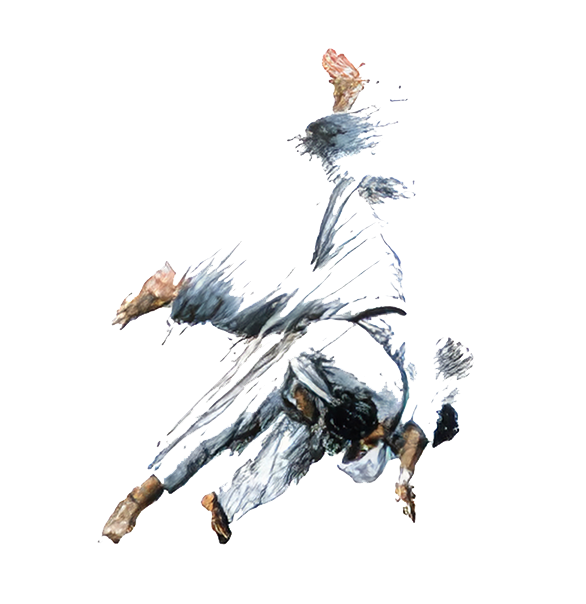
This is where judo has particular value. Children's judo is not simply about throws or winning matches. Through breakfalls, movement, balance, etiquette, partner practice and following instructions, children learn to control their bodies, respect others, respond to setbacks and develop discipline. These experiences cannot be replaced by short-form videos or simulated by an AI cartoon.
Waiting, falling and getting back up
In a judo class, children interact with coaches and training partners. They wait, listen, try, fall and stand up again. They also learn how to make physical contact safely within clear rules. These simple routines form part of healthy physical and social development.
AI technology itself is not the problem. The concern is the scale at which low-quality automated material can be pushed towards children and presented as education. When Hong Kong parents choose activities, convenience and entertainment matter, but so do real sport, real mentors and real communities.
As screen exposure begins earlier and digital content becomes more abundant, judo offers more than physical skills. Every bow, every breakfall and every return to standing is a lesson grounded in the real world.
Source: Business Insider — AI slop is coming for your kids
More judo news in English and Traditional Chinese from Hong Kong Judo.