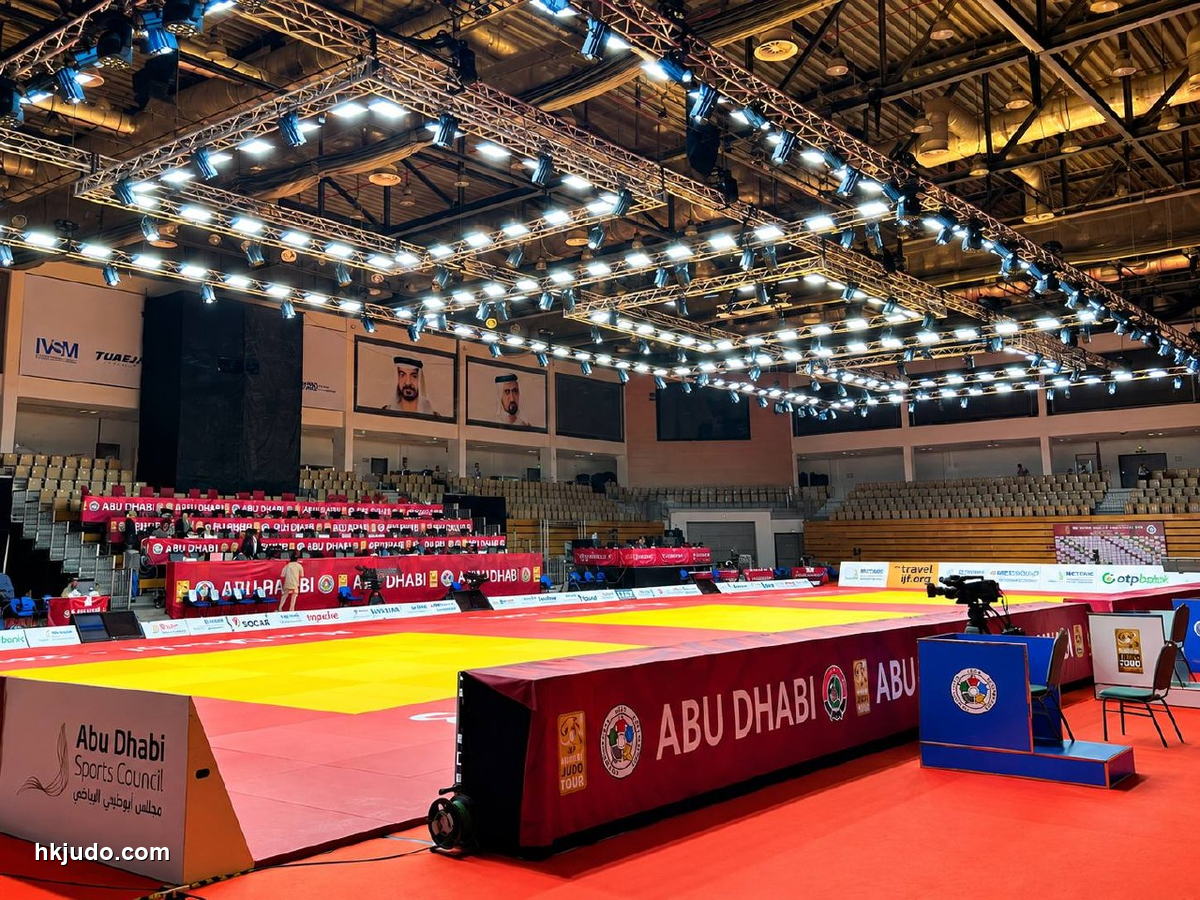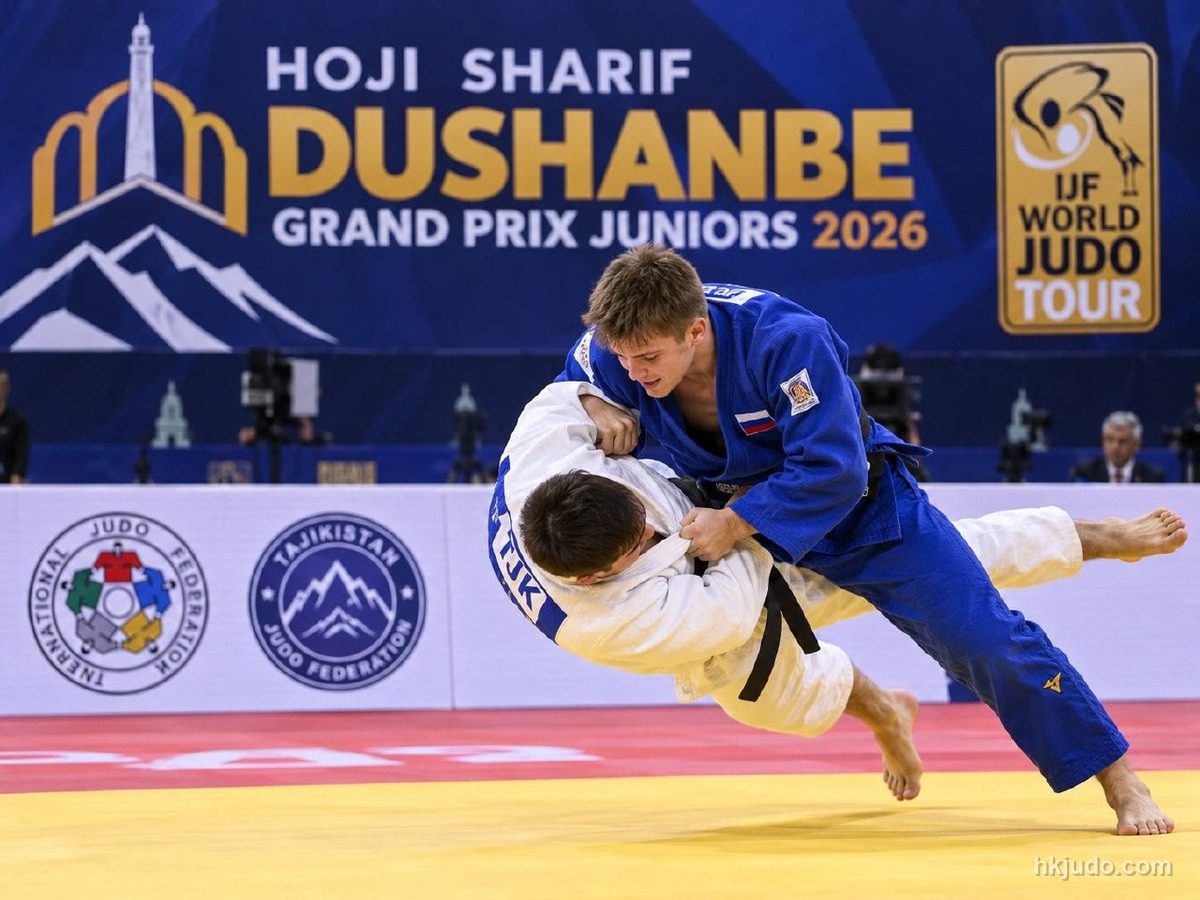

Several familiar names returned to the World Judo Tour on the opening day in Abu Dhabi. Time away from competition can leave their rankings behind their reputations, but their performances showed that technique, decision-making and the ability to choose the right moment still shape elite contests.
Yeldos Smetov of Kazakhstan appeared at -60 kg in only his third event since the Paris Olympic Games. He scored in both tachi-waza and ne-waza before losing his quarter-final to Balabay Aghayev of Azerbaijan. Smetov then produced three scores in the repechage against Artem Lesiuk of Ukraine, including an ippon with seoi-otoshi, to reach the bronze-medal contest.
France's Amandine Buchard returned to a Grand Slam final at -52 kg after a six-month break from competition. She beat opponents from Cyprus, Azerbaijan and Hungary to reach the last contest, where Tihea Topolovec of Croatia scored a waza-ari with uchi-mata inside the final minute. Buchard took silver, but her ability to control the rhythm and absorb pressure remained evident throughout the day.
Diyora Keldiyorova of Uzbekistan returned in different circumstances. Since the Paris Games she has become a mother, and she resumed competition by winning the Aktau Asian Open only 12 days earlier. In Abu Dhabi, she won her opening contest but was then thrown twice by Gefen Primo of Israel and went out.
The same day also underlined the value of ne-waza. In five of Haruka Kaju's last ten international contests, the Japanese judoka won on the ground. Three more victories came through penalties and two in tachi-waza. The mix shows that groundwork is not merely a fallback after a failed attack; it is a trained route to victory that leading judoka can choose deliberately.
Abu Dhabi supplied direct examples. Italy's Francesca Milani used a quick sankaku to turn her opponent in the opening round of the women's -48 kg and completed the win by osaekomi in about a minute. Smetov also won his first contest with a hold. Both were prepared actions rather than accidents.