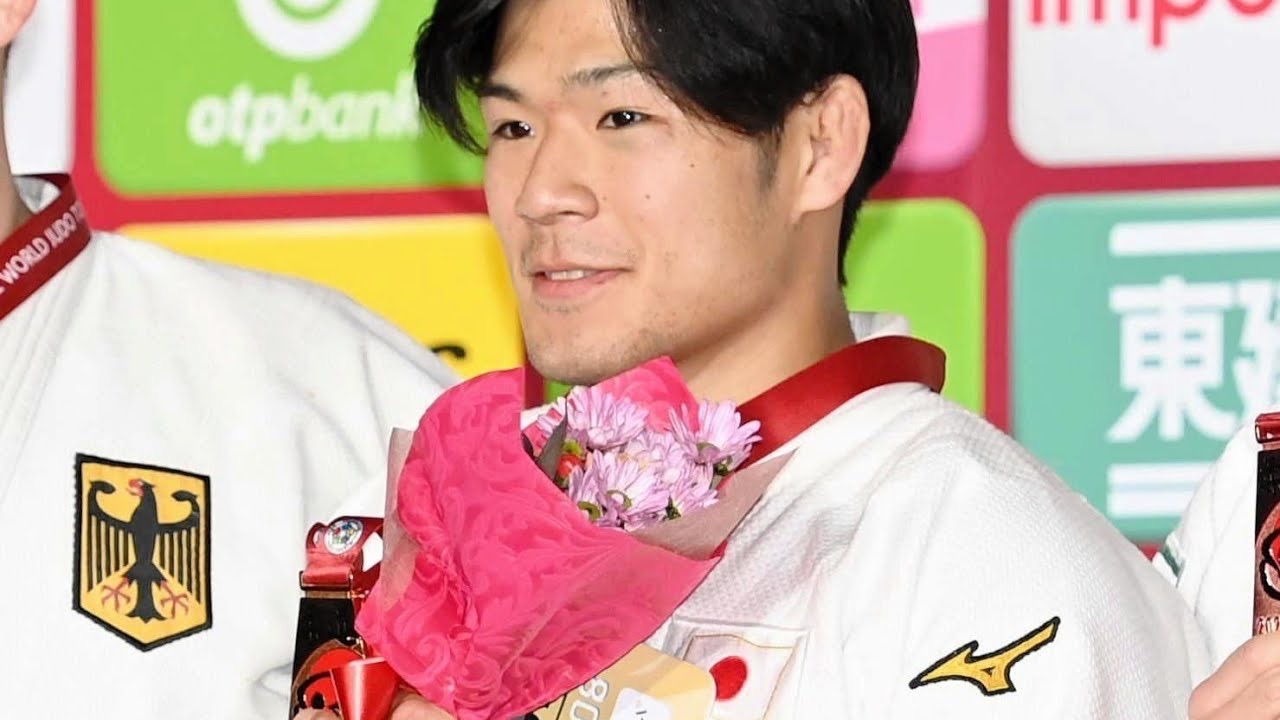
Yoshimi Masaki, the 1985 men's open-weight world champion, died on 30 August at the age of 64. The news was announced by the Japanese judo community and the International Judo Federation on 2 September.
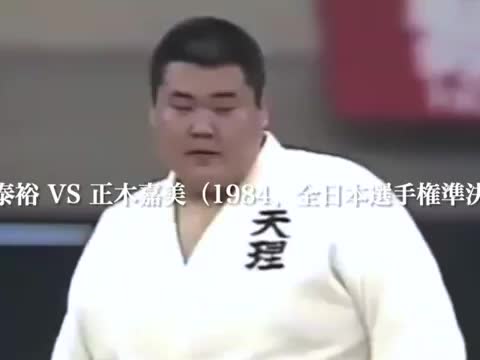
Video: Yasuhiro Yamashita vs Yoshimi Masaki, All Japan Judo Championships (Toshinari MASUDA studio). Open on YouTube
Masaki's place in Japanese judo goes far beyond a single world title. His competitive career unfolded during one of the strongest heavyweight eras Japan has produced, alongside Yasuhiro Yamashita and Hitoshi Saito. After retiring, he returned to the tatami as a coach and educator at Tenri University and within the Japanese men's national-team structure.
World champion in Seoul
Born in Osaka Prefecture, Masaki developed through Tenri High School and Tenri University.
At the 1985 World Championships in Seoul, he won the men's open-weight world title, defeating Egypt's Mohamed Rashwan in the final.
The importance of that gold is clearer in the context of Japanese heavyweight judo at the time. Yamashita, Saito and Masaki were active in the same era, creating extraordinary domestic competition. Masaki never competed at the Olympic Games, but after Yamashita's retirement he won the All Japan Judo Championships in both 1986 and 1987.
A video that preserves the era
A surviving YouTube video from the All Japan Judo Championships shows Masaki facing Yasuhiro Yamashita.
That championship became Yamashita's ninth consecutive All Japan title and his final appearance at the event. Later that same year, Masaki became open-weight world champion in Seoul.
The footage therefore captures two major figures from the same Japanese heavyweight era on the same tatami.
From champion to coach
Masaki remained deeply involved in judo after his competitive career. He served as head coach at Tenri University and worked within the Japanese men's national-team coaching and development structure. The IJF's obituary emphasised his role in guiding generations of judoka.
For elite athletes, medals are often the most visible part of a career, but influence in judo frequently continues long after competition ends. Masaki's second career was built around passing on the standards and knowledge he had developed through Tenri, the All Japan Championships and the world stage.
A major career without an Olympic appearance
An Olympic appearance is often treated as the defining measure of an athlete's career, but Masaki's story shows how national depth can make that view too simple. Competing in the same period as Yamashita and Saito meant that even a world-class heavyweight could miss the Olympic team.
Masaki leaves behind a world open-weight title, two All Japan championships and decades of influence as a coach and educator. His death at 64 has come far too early, but his place in the history of Japanese heavyweight judo is already secure.