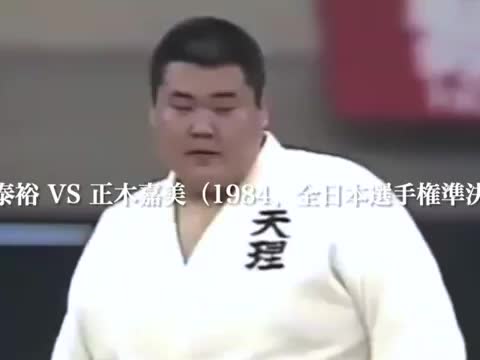
Yasuhiro Yamashita, the 1984 Olympic champion and four-time world champion, spent much of his competitive life representing one of judo's clearest images of physical strength. Today, he is asking the judo world to think about strength in a different way.
Video: TV Asahi / Hodo Station interview with Yasuhiro Yamashita (Shuzo Matsuoka interview). Open on YouTube
A serious accident three years ago caused a spinal cord injury and left Yamashita using a wheelchair. In August 2026, he appeared in a lengthy Japanese television interview with Shuzo Matsuoka, allowing the public to see more directly how his life has changed. Days later, during the opening of the inclusive Lausanne Grand Slam, Yamashita delivered a video message to the international judo community and described a new mission: helping build a society in which people with disabilities are accepted and supported.
The meaning of a life that remained
In the TV Asahi interview, Yamashita explained that the accident occurred in 2023 at a hot-spring facility in Hakone. He lost consciousness while getting up and fell roughly two metres, suffering a serious spinal cord injury.
He then spent about two years undergoing operations and rehabilitation. By the time of the 2026 interview, his mobility remained severely limited and he required a wheelchair and substantial assistance in daily life.
Yet Yamashita did not describe the accident as a contest he had lost. Instead, he spoke about accepting reality and asking what role remained available to him. His central question was simple: if his life had been preserved, what meaning could he give to it now?
Returning to the classroom
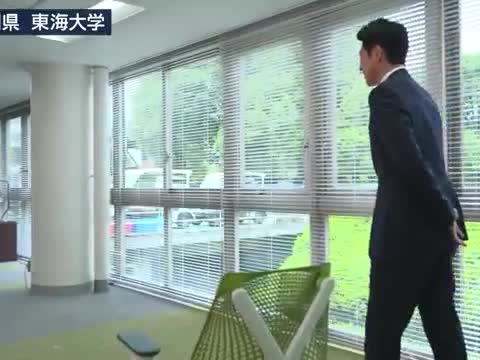
Yamashita has also returned to teaching at Tokai University, his alma mater. He can no longer demonstrate judo with the body that once made him a world and Olympic champion. Instead, he brings his present condition openly into the classroom.
His message has shifted beyond how to win contests. He speaks about using what is learned in the dojo — manners, listening, respect and standing up for others — in ordinary life. That shift does not take him away from judo. It brings judo's educational purpose into a much more demanding real-world context.
Lausanne and 'Judo for All'
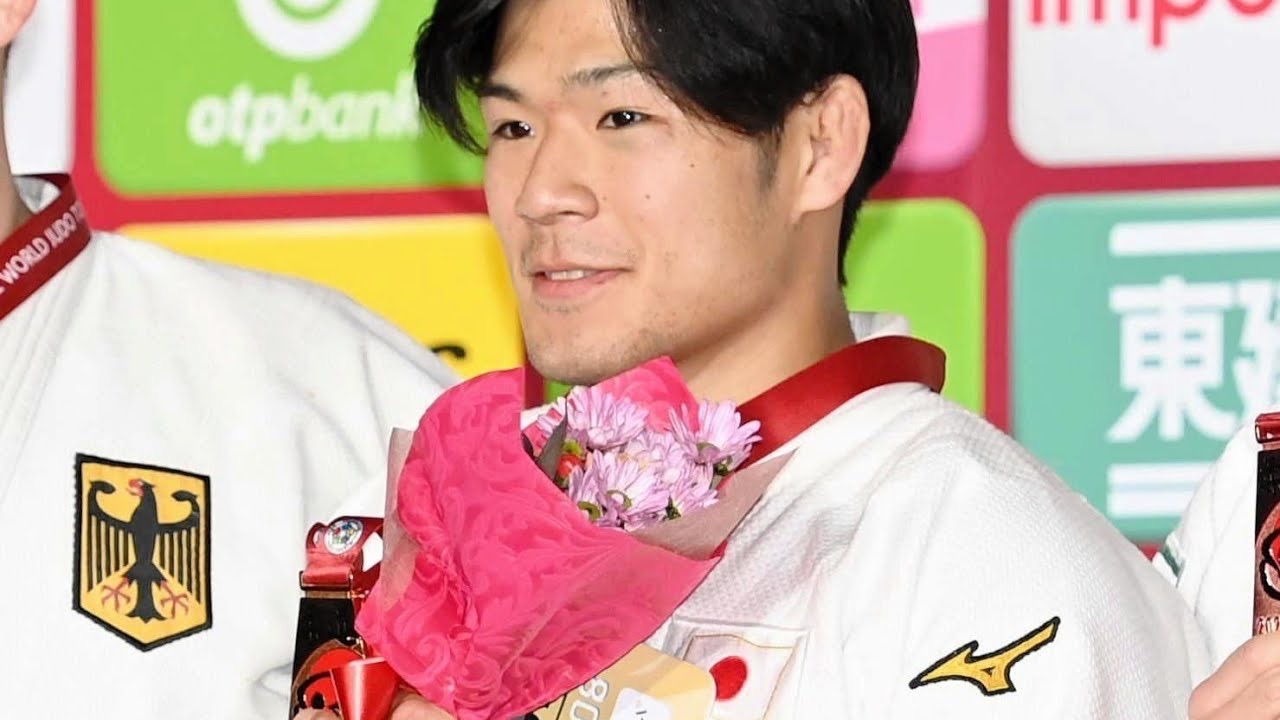
The first Ecole Mont-Olivet Lausanne Grand Slam brought World Judo Tour athletes, adapted judoka and deaf judoka into the same overall event environment. Yamashita was not physically present, but addressed the arena by video.
The IJF later highlighted his message: his experience of disability has given new urgency to the idea of "Judo for All." Yamashita said that building a society where people with disabilities are accepted and supported would be one of his missions going forward. At the centre of the message was Jita Kyoei — mutual welfare and benefit.
For Yamashita today, the principle is not confined to the tatami. It also asks whether society gives people with different bodies and abilities a genuine place to participate.
A different definition of strength
Yamashita's sporting career no longer needs proof. Olympic champion, four-time world champion and one of judo's most dominant competitors, his results are already part of the sport's history.
The new story is what happens when an athlete once known for being almost impossible to defeat loses much of his physical independence, then chooses to appear publicly, return to teaching and reinterpret judo's values for another generation.
Judo cannot reverse his spinal cord injury. What it can still give him is a language: acceptance, respect, mutual support, Jita Kyoei, and the search for what a person can still contribute when circumstances cannot be changed.
That may now be one of Yasuhiro Yamashita's most important lessons to the judo world.