Catastrophic flooding struck Nepal's Rasuwa, Betrawati and Nuwakot areas on 26 August, damaging roads, power and communications and leaving communities isolated. According to the International Judo Federation on 2 September, the local judo community suffered severe losses: at least eight young judoka from Betrawati had been confirmed dead, while other children, families and members of the wider judo community were still unaccounted for.
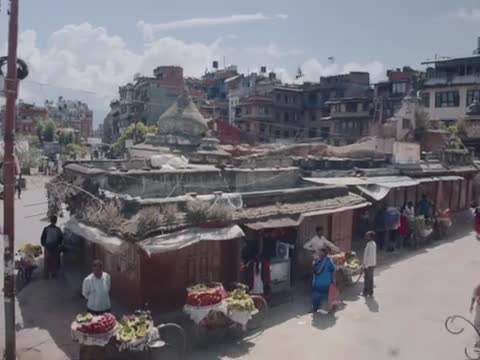
Video: Judo for the World - Nepal (International Judo Federation, filmed 2016 — not footage of the 2026 flood). Open on YouTube
This is not a sporting crisis in the ordinary sense. In these communities, the dojo, family and village are closely connected. The IJF reported that several judoka had lost parents, relatives or homes, while the full scale of the disaster was still being established.
A relationship built long before the flood
In 2016, the IJF travelled to Nepal to film Judo for the World - Nepal. The country was still recovering from the 2015 earthquake, and the film documented how judo helped young people rebuild confidence, routine and community. Austrian Olympian and former world medallist Sabrina Filzmoser has also maintained long-standing ties with Nepalese judo.
The IJF embedded that 2016 film again in its 2026 flood report. It is not footage of the current disaster. Its value is context: it shows the same judo communities and explains why the people affected today are not strangers to the international judo family.
Judo connections become a relief network
After the flooding, Filzmoser worked through her local network to identify who was safe and what families needed. Partners including Laxmi, Chandra, Bijay and Nepal Cycling School organised rice, tents, food, water and other essentials and attempted to reach Betrawati despite damaged roads and difficult weather.
Some rescued judoka have found temporary shelter in Kathmandu. The Nepal Judo Federation is helping collect and verify information. IJF President Marius Vizer, Filzmoser and Timur Kemell also coordinated an IJF-supported response after meeting in Lausanne, while retired Irish Olympian Megan Fletcher and her family mobilised aid through their own links to affected Nepalese communities.
As of the IJF's 2 September report, at least eight young judoka from Betrawati had been confirmed dead. The number of missing and displaced people remained fluid.
Responsible reporting matters. The priority is not to chase unverified numbers from social media, but to rely on confirmed information while relief reaches damaged communities.
In Nepal, judo has long been more than competition. It has been a network connecting children, coaches and families. After this disaster, that network is serving a different purpose: making sure affected judoka are not left to face the crisis alone.