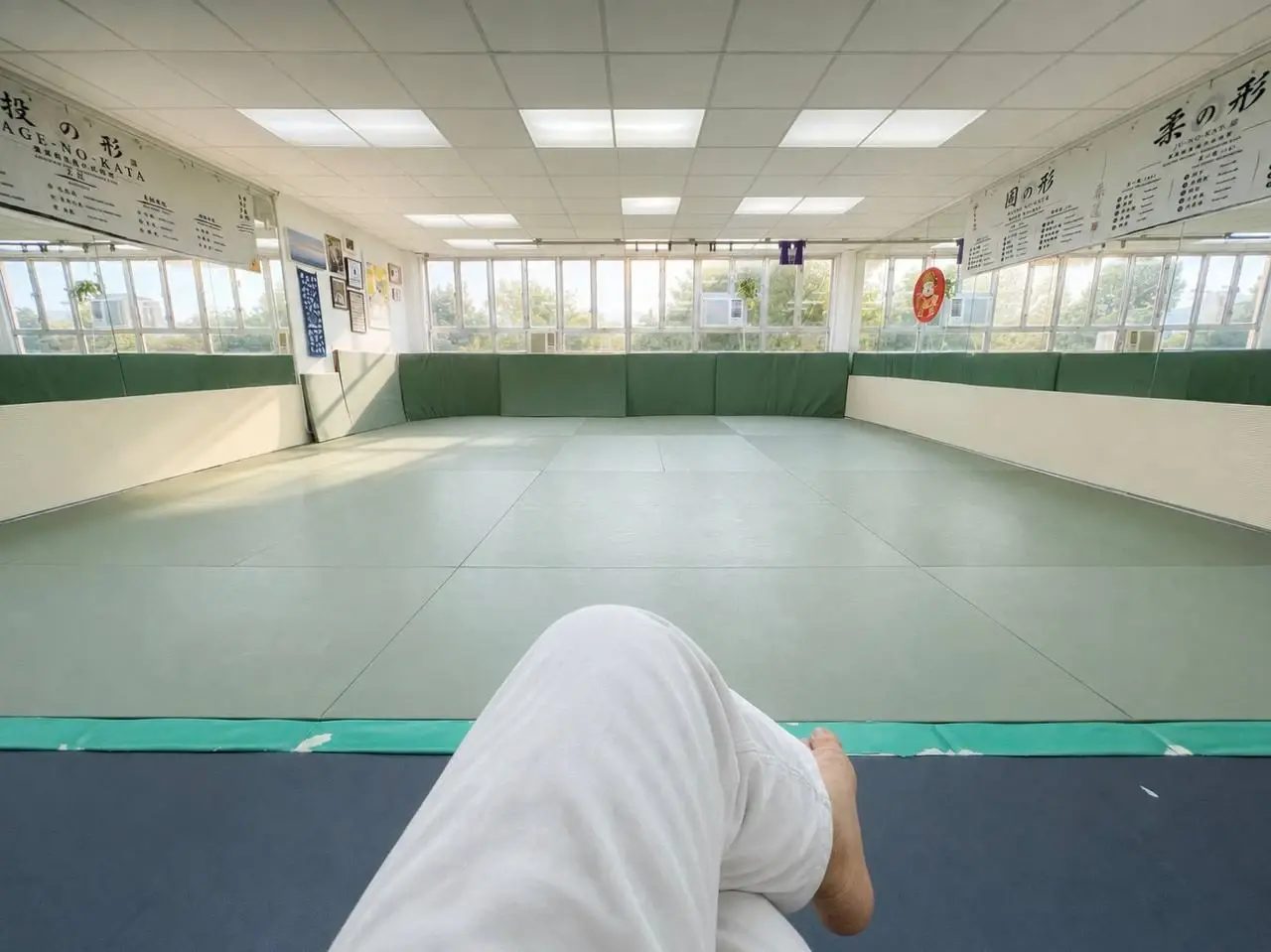
Hong Kong's Kuma Dojo has published a new DOJO page on its official website, stepping back from class schedules to a more fundamental question: what actually makes a judo dojo?
The page states it plainly: you can practise judo in a gym, but laying down tatami does not make it a dojo. Tatami alone does not make a dojo. For judoka, a dojo is more than a room with mats underfoot. Nage-waza, ne-waza, randori, putting on the gi, how one steps on and off the tatami, keeping the dojo tidy, facing victory and defeat, and controlling strength are all part of the practice.
Rei is not mere formality. The page explains that bowing is gratitude and respect: gratitude for the teacher's instruction and respect for the partner who trains with you, because without a partner there is no progress. The opponent in randori is not equipment but a partner who helps us improve. The Kodokan calls this respect for the other "self and others jointly prosper" (自他共榮), and the best use of mind and body "best use of energy" (精力善用).
Another focus of the page is safety. The KUMA Floor System, designed, measured, built and installed by Kuma's students board by board and support block by support block, sits beneath the tatami to absorb and disperse the impact of throws and landings. You cannot see it during training, but you feel it on landing. At KUMA, safety begins beneath the tatami.
The page adds that safety is not only about the floor. Tatami provides a stable surface and grip, and the subfloor adds elasticity to spread the force, but correct ukemi, suitable instruction, controlling strength, cleaning and regular inspection all matter, because mats and an elastic floor reduce impact rather than prevent injury entirely.
What the page asks also holds for judo elsewhere: when we speak of a judo venue, are we describing only a place where classes happen, or a place that also transmits judo technique, etiquette and values?