The previous generation worked hard so that their children could get a good education, and today we have indeed produced more university graduates. But the purpose of education should not be merely to turn out more doctors, lawyers and engineers; it should, more than that, form people who are kind, honest and responsible. A high level of schooling does not mean good upbringing, and parents without a university degree can raise children of excellent character just the same.
Each generation can be better educated than the last, but a real education should not stop at a graduation certificate.
A passage circulating online says: "In the 1990s, many parents who had never been to university raised engineers, lawyers, doctors and teachers. Today, plenty of university-educated parents may not even manage to teach their children basic manners and respect."
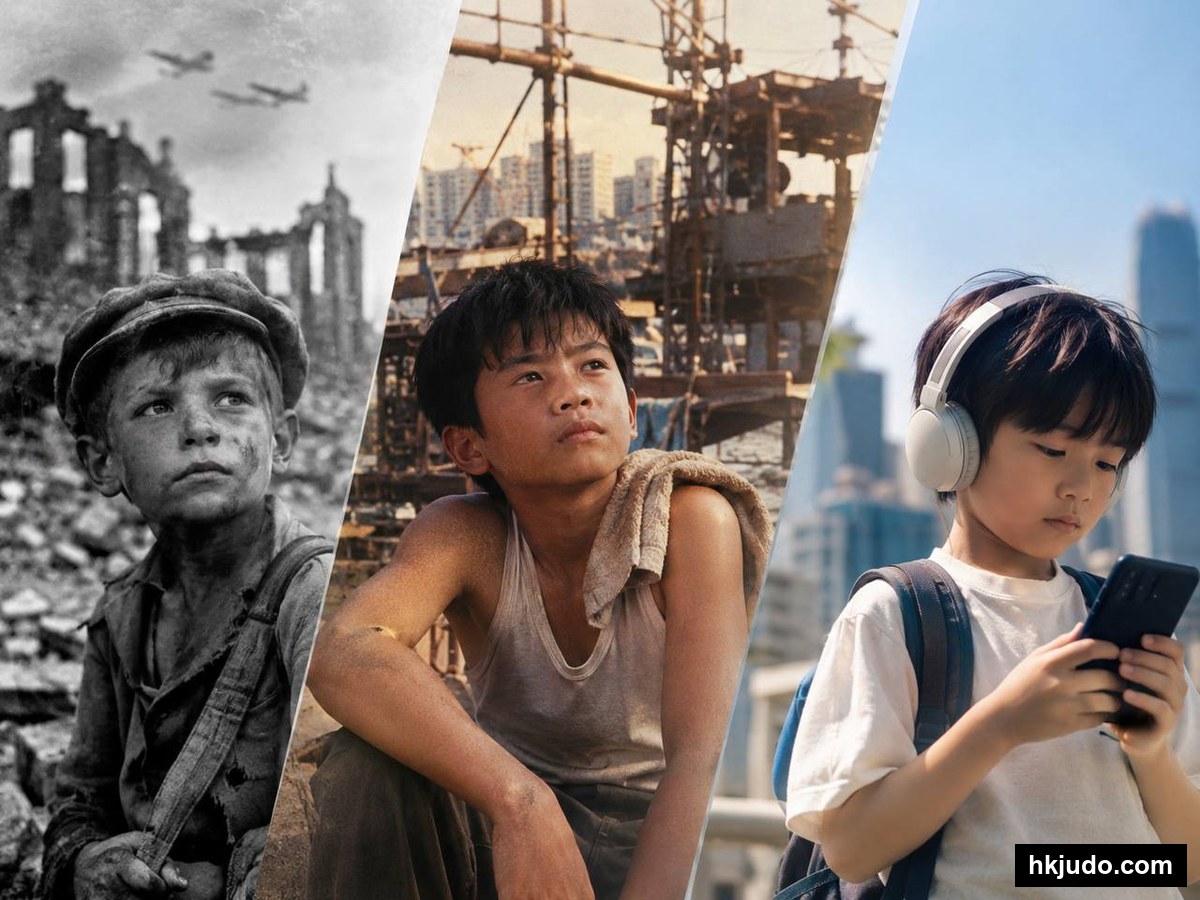
Over the past few decades, education levels have risen sharply. Many parents of the previous generation never had the chance to attend university; some had to work two jobs just to keep the family going, and still did everything they could so that their children could get a better education. That wish has largely come true. But do these well-educated children, once they become parents themselves, necessarily become better educators?
A degree and the ability to raise a child are two different things. Someone can hold a doctorate and know science, law or finance inside out, and still not know how to teach a child to face failure, carry responsibility or respect other people. We spend more than a decade learning to sit exams, compete and collect qualifications, yet rarely put the same effort into learning how to conduct oneself, or how to raise the next generation.
Many parents will spend large sums of money and a great deal of time arranging tutoring, music lessons and after-school classes, and may overlook the most basic part, the shaping of character. A child comes home with top marks and the parents are proud; a child gets into an elite school and the parents call the education a success. But does the child know how to respect others? Will they own up when they are wrong? Can they keep their emotions in check when things go badly? None of that appears on a report card.
Another pattern is some parents who treat loving a child as meeting the child's every demand. When a child argues with a classmate, the parents decide at once that their own child has been wronged; when a teacher criticises the child, they rush to the school for an explanation; when the child refuses to follow the rules, the adults give way again and again to avoid conflict. If parents always clear up the mess, even carrying the consequences that should belong to the child, where is the child supposed to learn responsibility?
In 2017, a psychological analysis drawing together 1,435 studies found that parental warmth, rules and reasonable discipline were associated with fewer behaviour problems, while harsh control, permissive or neglectful parenting was associated with more.
Good family education is not about keeping a child happy all the time. It is about teaching the child, within that affection, to accept limits and responsibility. Respecting a child does not mean the child may disrespect others. A child has the right to express an opinion, but must learn how to do so properly; the right to claim their own rights, while understanding that rights and duties go together.
Children learn how to be people not only from what their parents say, but from how their parents treat others, how they face their own mistakes and how they carry responsibility. If the adults themselves show no respect for others while demanding politeness from the child, how convincing is that?
People in Hong Kong have a phrase for exactly this gap: "high scores, low ability".