World championships are usually remembered through medals, finals and podiums, but one of the most interesting parts of Baku 2026 happened away from the competition tatami.
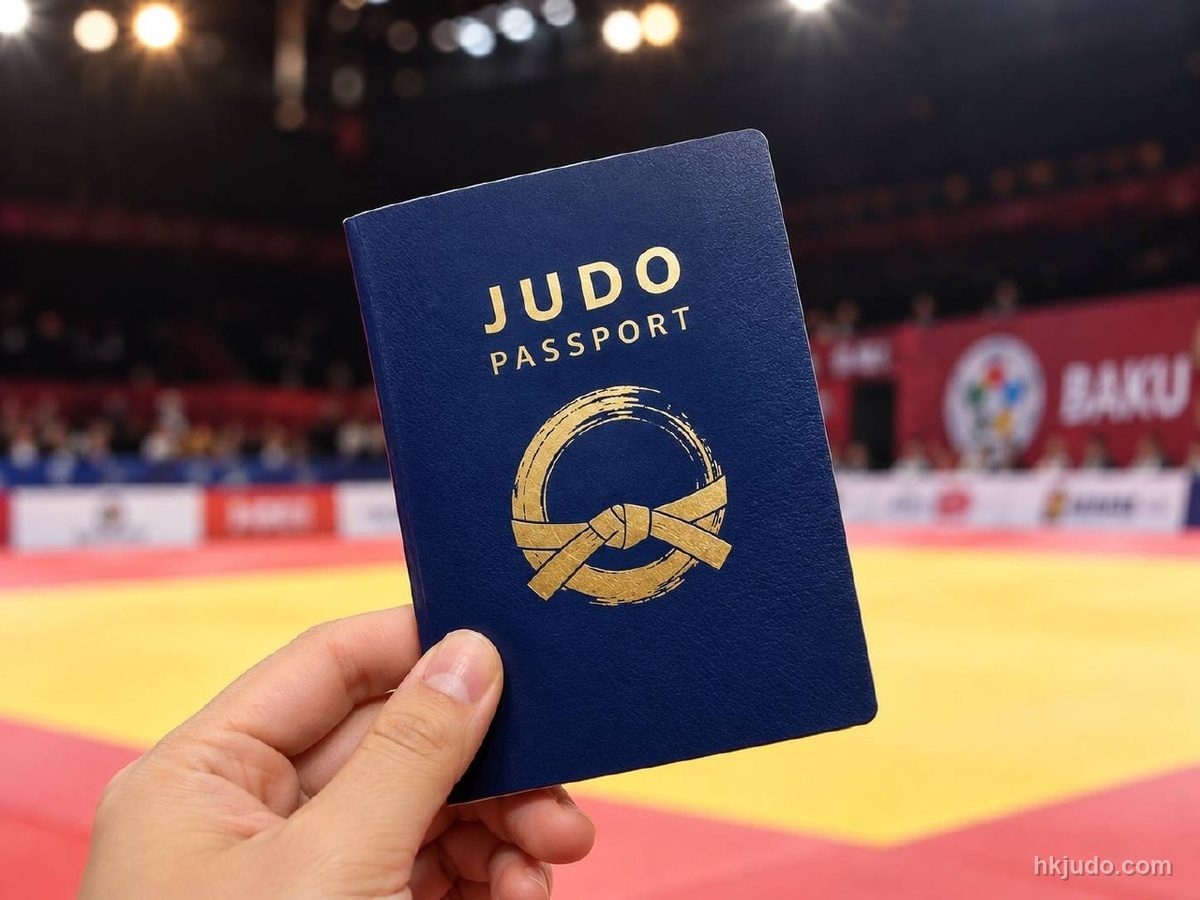
The Azerbaijan Judo Federation created fan zones across the city, including a prominent activation space at Deniz Mall, allowing visitors to engage with the World Judo Championships even outside the arena. Activities included judo quizzes, puzzle games, selfie and photo areas, prizes and one particularly memorable feature: a specially designed symbolic “judo passport”. Similar fan zones also ran at Crescent Mall, 28 Mall and Ganjlik Mall.
The passport was, of course, not a real travel document. But as an event souvenir and interactive device, it helped transform attendance into participation. It gave the championships a wider public presence and turned judo into something that could be experienced, not simply watched.
The fan-zone installations also displayed the judogi of Elkhan Mammadov, Azerbaijan's first judo world champion, giving the event a local historical layer. Azerbaijani star Orkhan Safarov, a European champion and two-time World Championships medallist, also appeared in person to greet supporters and take photographs with fans.
Inside the competition venue, the International Judo Federation reported a similarly lively response to its Meet and Greet programme. Across eight days of competition, fans formed long queues to meet well-known judoka and world medallists. Among the names highlighted by the IJF were Japan's Haruka Kaju and Goki Tajima, Georgia's world champion Ilia Sulamanidze and several Azerbaijani athletes, including Rashid Mammadaliyev.
Kaju, a double world champion, said that meeting supporters was part of the Japanese team's broader mission to share the spirit of judo and help the sport grow internationally. That comment captures the value of these activities well. They show that a world championship is not only a contest to decide medals, but also an opportunity to bring judo closer to the public.
If the competition determines who becomes world champion, the fan zones and meet-and-greet sessions show something equally important: how a major event can turn sport into culture, memory and participation.