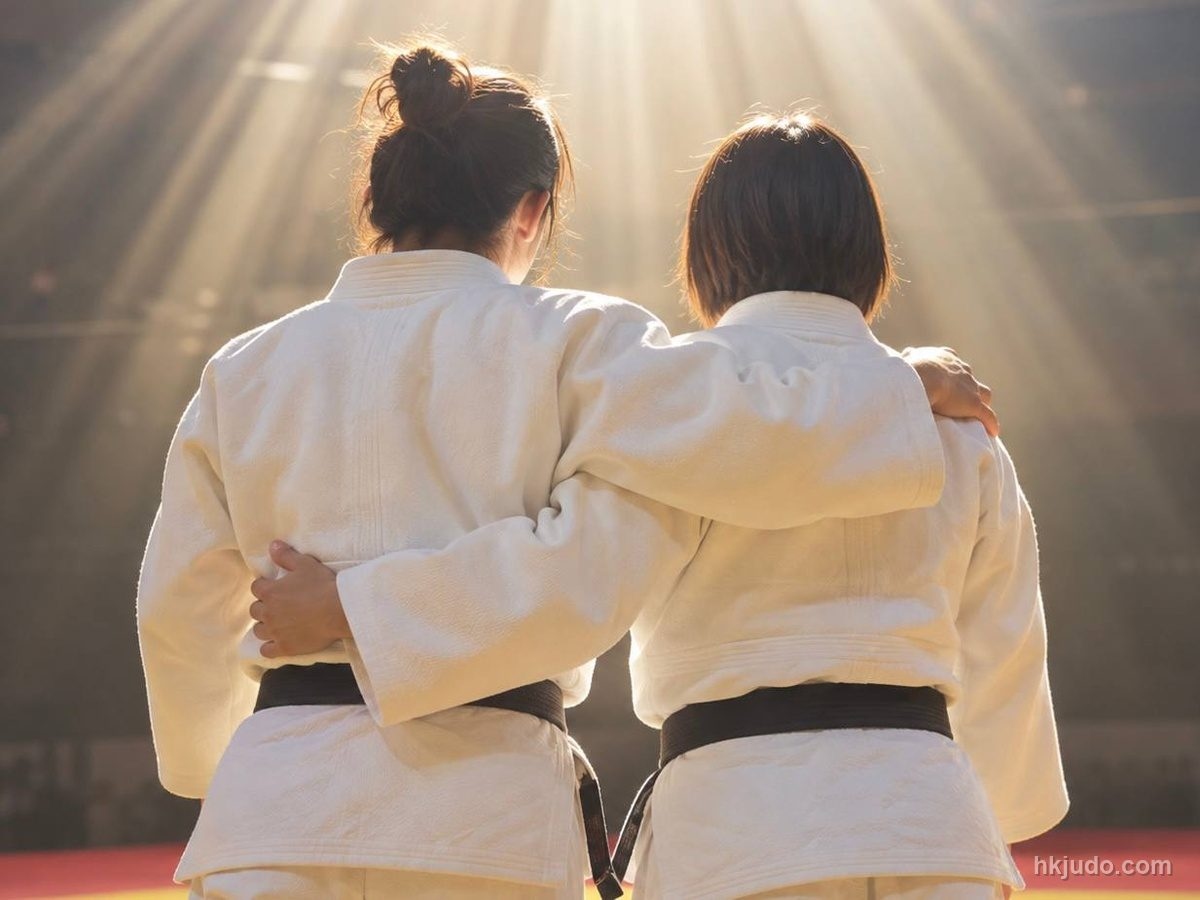
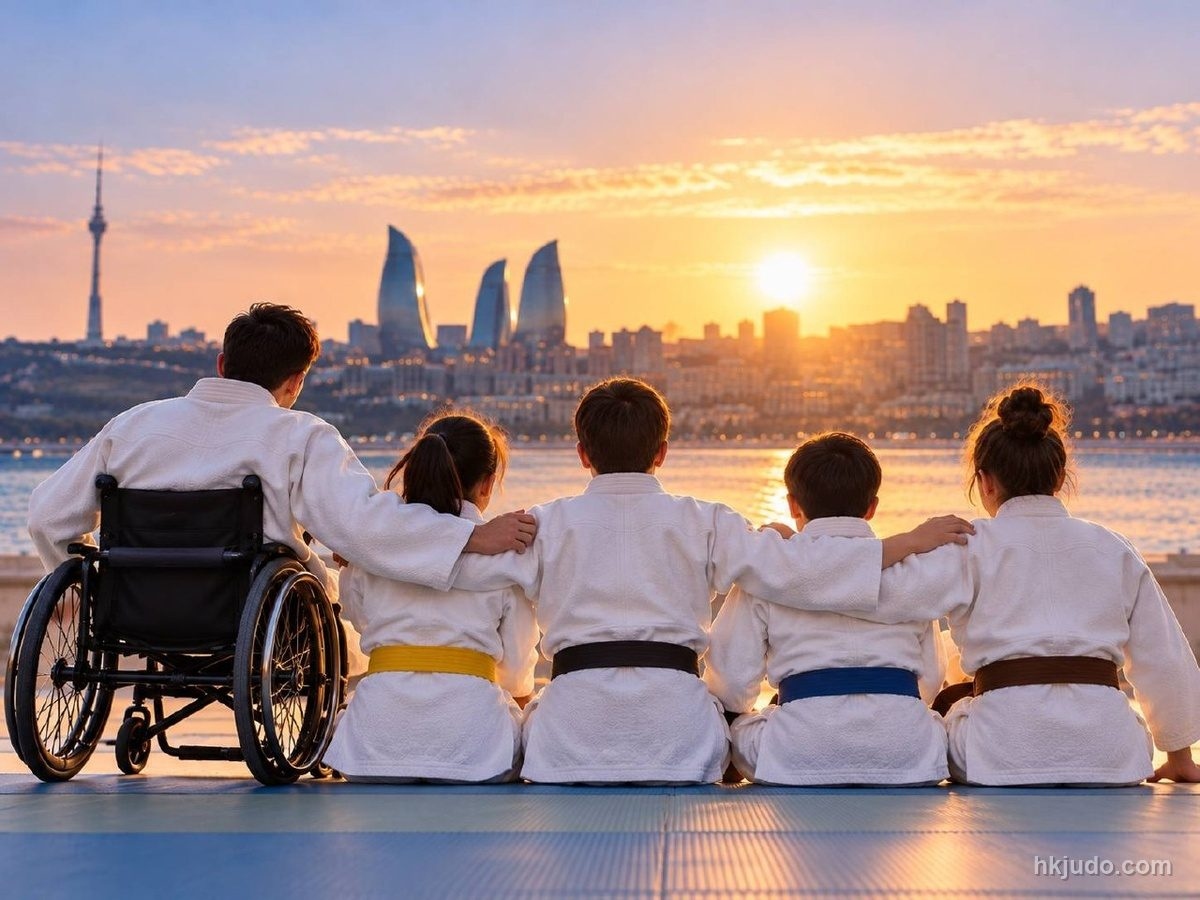
The World Judo Championships are usually associated with elite competition, world titles and medal ceremonies. In Baku in 2026, however, the tatami also belonged to another group of young participants.
During the championships, a group of young judoka with Down syndrome stepped onto the official competition area to take part in an adaptive-judo demonstration. It was not part of the medal programme, but it may have been one of the clearest expressions of judo's social values during the event.
According to the International Judo Federation, the adaptive-judo project was launched by the Azerbaijan Judo Federation in 2024 and has continued to grow. The participants had already gained international experience at the Special Olympics Open Judo Tournament in Sarajevo, while two adaptive-judo tournaments have also been organised in Azerbaijan itself.
The IJF article includes feedback from parents, who reported positive changes in their children's social skills, communication, confidence and sense of belonging. That matters not because judo should be romanticised as a cure-all, but because it shows what can happen when sport becomes more accessible and more intentionally inclusive.
These young judoka do not need to be framed as an inspirational story, nor seen only through a medical lens. What the demonstration showed is judo as a shared space that can welcome people with different needs and abilities.
Placing such a demonstration at the centre of a world championship carries its own message. The event is not only there to showcase the sport's highest level, but also to show how judo can open itself to a wider community.
When these children stepped onto the same tatami used by the world's best judoka, the message was simple and powerful: judo does not belong only to champions. It belongs to everyone willing to step onto the mat.