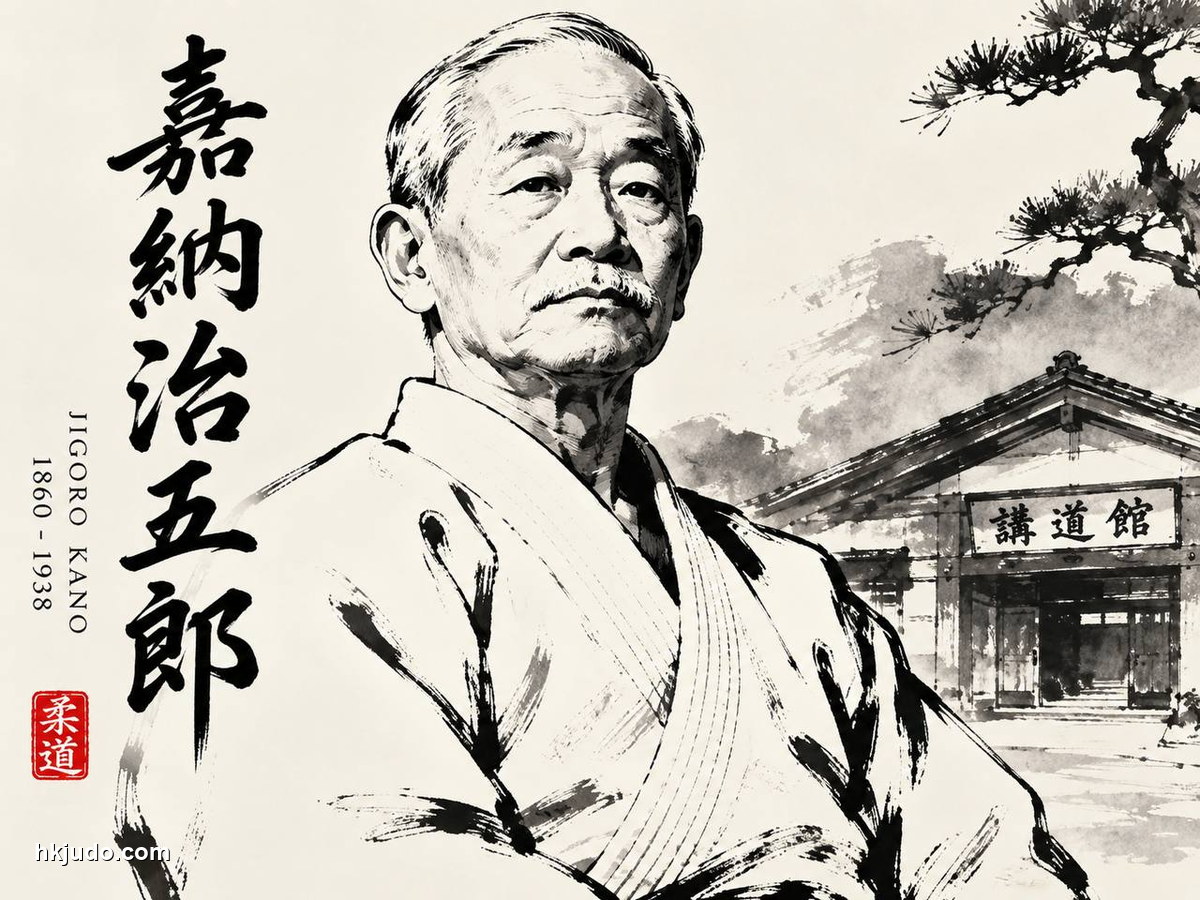
Researchers, coaches and judo experts from around the world met at the University of Tsukuba from 1 to 3 October to examine how Jigoro Kano’s ideas can inform education and society today. The conference, “Jigoro Kano and Education: His Legacy and the Challenges of the Twenty-First Century”, was part of Tsukuba Global Science Week 2026 and was organised with the support of the International Judo Federation and the Kodokan Judo Institute.
It grew out of a long-standing partnership between the universities of Tsukuba and Bordeaux, and set out to consider Kano not only as the founder of a martial art but in the contexts of education history, international exchange and the transmission of values.
The first day covered women’s education and the place of women in judo, the philosophical foundations of Kano’s thought, Olympic education and judo’s role in helping people engage constructively with conflict. Contributions came from the United Kingdom, France, Italy, the United States, Argentina, Korea, Australia, the Netherlands, Slovenia, India, Mexico and Brazil. The programme also looked at judo’s work with communities after the Noto Peninsula earthquake and at connections between Kano’s thinking and that of the Indian poet and philosopher Rabindranath Tagore.
Education took centre stage on the second day, when Michel Brousse of the University of Bordeaux gave a keynote address on preserving Kano’s legacy from Meiji to Reiwa. Other presentations examined judo as a tool for peace between peoples, as a means of developing social skills from early childhood and as a foundation for virtue education.
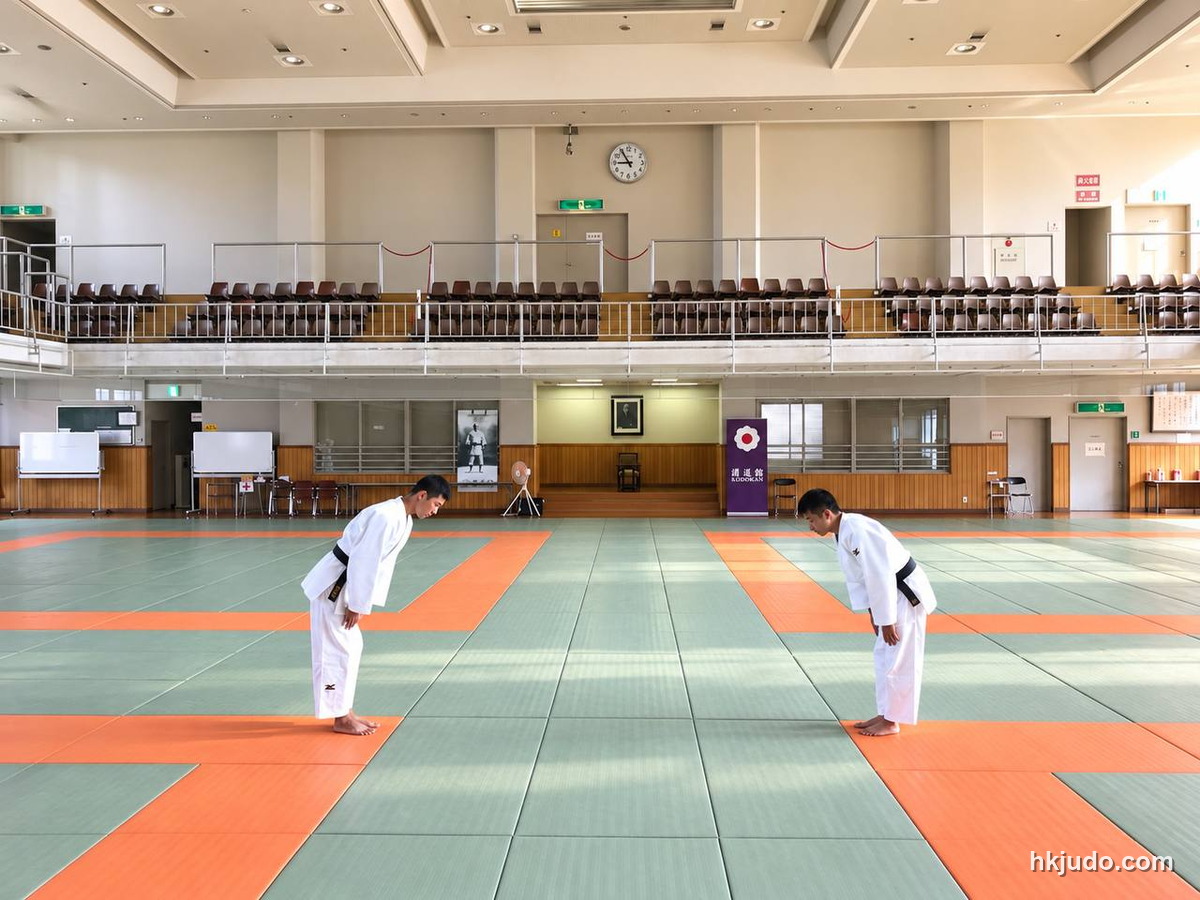
The final day moved from discussion to practice. Participants observed a training session at the University of Tsukuba and practised Itsutsu-no-Kata, then continued at the Kodokan in Tokyo with a lecture on Kano and Kodokan judo, a practical session on kata-based education, a museum visit and a children’s class.