A serious injury at a no-gi jiu-jitsu competition in Londrina, Paraná, Brazil, has once again raised an important question for combat sports: how far should rules and training methods go in protecting athletes?
The incident occurred during SUPER PRO JIU JITSU 2026 (No-Gi) on 22 August 2026 at the Ginásio de Esportes Moringão in Londrina.
According to combat sports outlet CalfKicker, a young competitor suffered a serious neck injury during a match. The referee immediately stopped the contest and medical staff entered the competition area. The report, citing competitors who were present at the tournament, said the athlete was subsequently taken to an intensive care unit for observation and treatment.
Video circulating from the event appears to show the athlete in an inverted position before the injury, with his head close to the mat and force being directed through the neck while his body was under pressure.
No official medical statement from the hospital, organiser or athlete's family has yet confirmed the precise diagnosis or long-term prognosis. Claims of a cervical fracture, spinal cord injury or permanent paralysis should therefore not be made without further evidence.
The incident, however, raises a question much larger than one competition.
Are rules a restriction on martial arts, or are they what allows martial arts to survive?
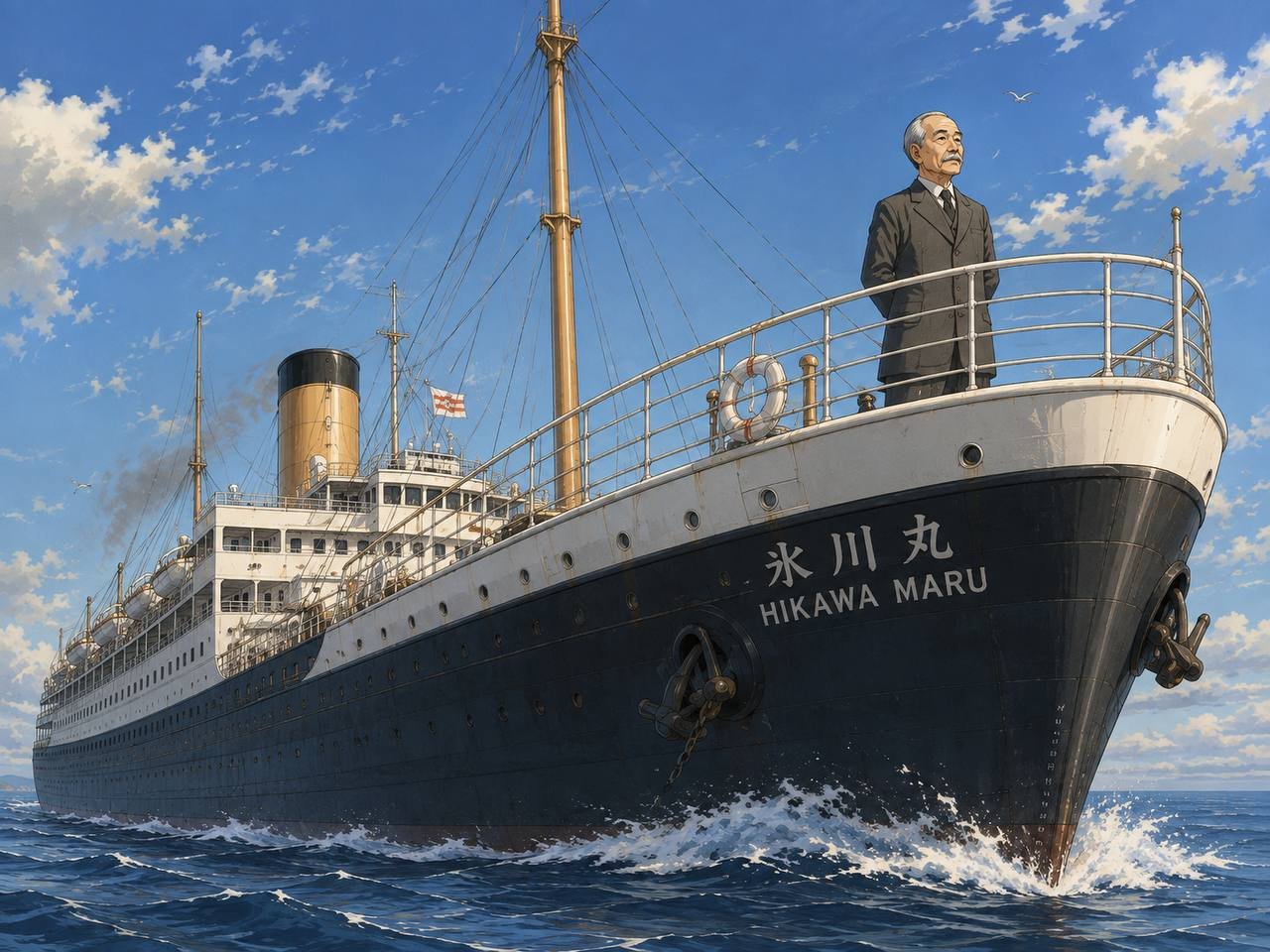
More than a century ago, Jigoro Kano was already confronting the same problem.
When Kano studied several schools of classical Japanese jujutsu in the late nineteenth century and later established Kodokan Judo, he did much more than rename an existing fighting art.
He reorganised its techniques, its methods of practice and, most importantly, its purpose.
The International Judo Federation's historical material states that Kano removed dangerous jujutsu techniques and improved methods of falling, creating a system in which practitioners could train vigorously and repeatedly with one another under safer conditions.
Techniques that retained martial value but were unsuitable for unrestricted practice were not necessarily erased. Some were preserved within controlled forms of practice such as kata.
This was one of the fundamental changes that separated modern judo from the older combat systems from which it developed.
A martial art that can only be applied once at full destructive force is difficult to practise every day. It cannot easily become something children can learn, adults can practise for decades and teachers can safely pass from one generation to the next.
Rules restrict certain actions, but they also make continued practice possible.
More than 140 years after the founding of the Kodokan, combat sports have become faster, stronger and technically more sophisticated. New positions, escapes and defensive reactions continue to develop.
Rules and coaching methods therefore cannot remain unchanged forever.
The question is not simply whether a movement is technically legal.
If an athlete repeatedly learns to use the head or neck as a structural support to escape a position, avoid a score or resist an opponent's force, should a coach intervene before that behaviour becomes automatic?
A movement repeated hundreds of times in training eventually becomes instinct under competition pressure.
For that reason, clearer rules, stronger coaching education and better-designed training methods should not be viewed as attempts to weaken combat sports.
They may be precisely what allows those sports to continue developing.
One of the great achievements of Jigoro Kano's reform of classical Japanese jujutsu was the transformation of fighting techniques into a system that people could practise repeatedly, safely and educationally.
The lesson from this latest injury should therefore not become an argument over whether judo or Brazilian jiu-jitsu is the safer martial art.
The more important question is this: when we already recognise a training behaviour that may lead to catastrophic injury, should we wait for another athlete to be seriously hurt before changing the way we train and compete?
Judo began addressing that question more than a century ago.
Every modern combat sport must continue to address it today.